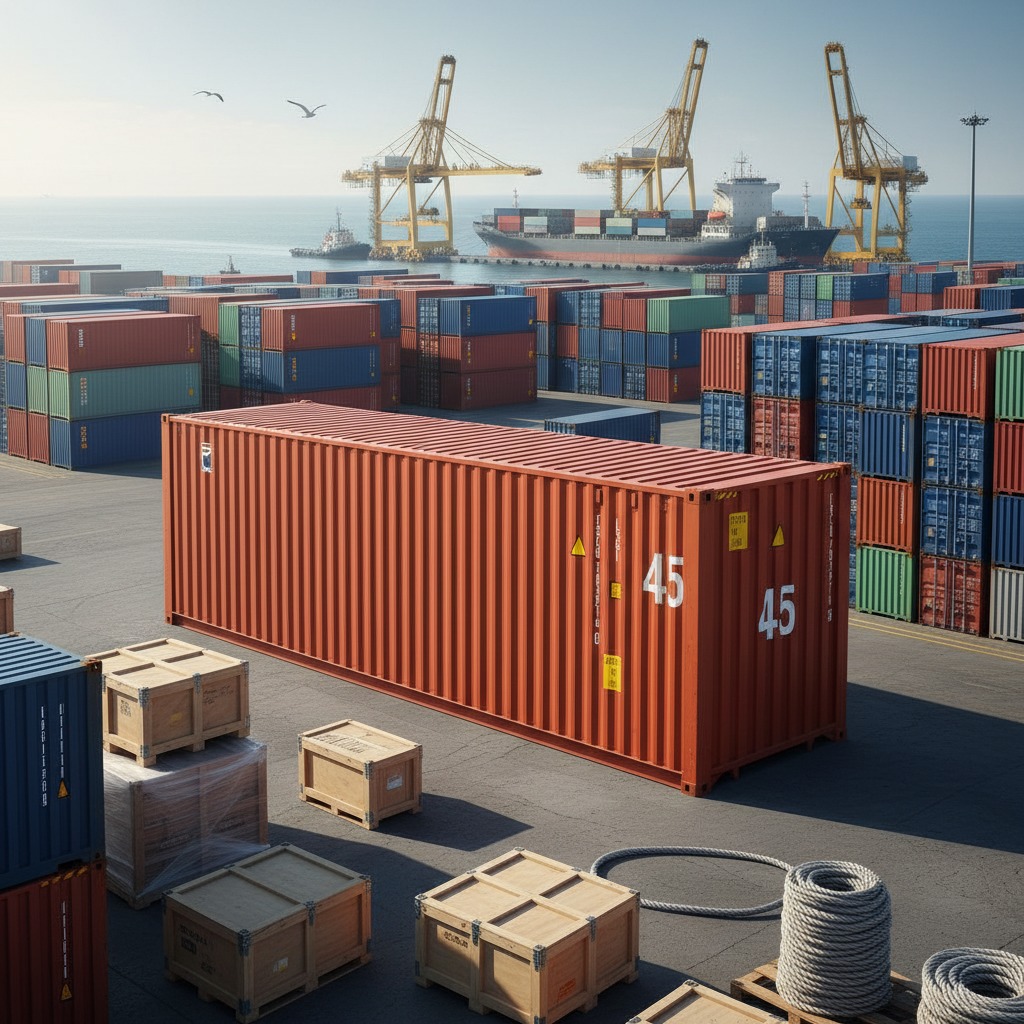

Shipping Container Twistlocks: Essential Securement Devices for Safe Freight Transport
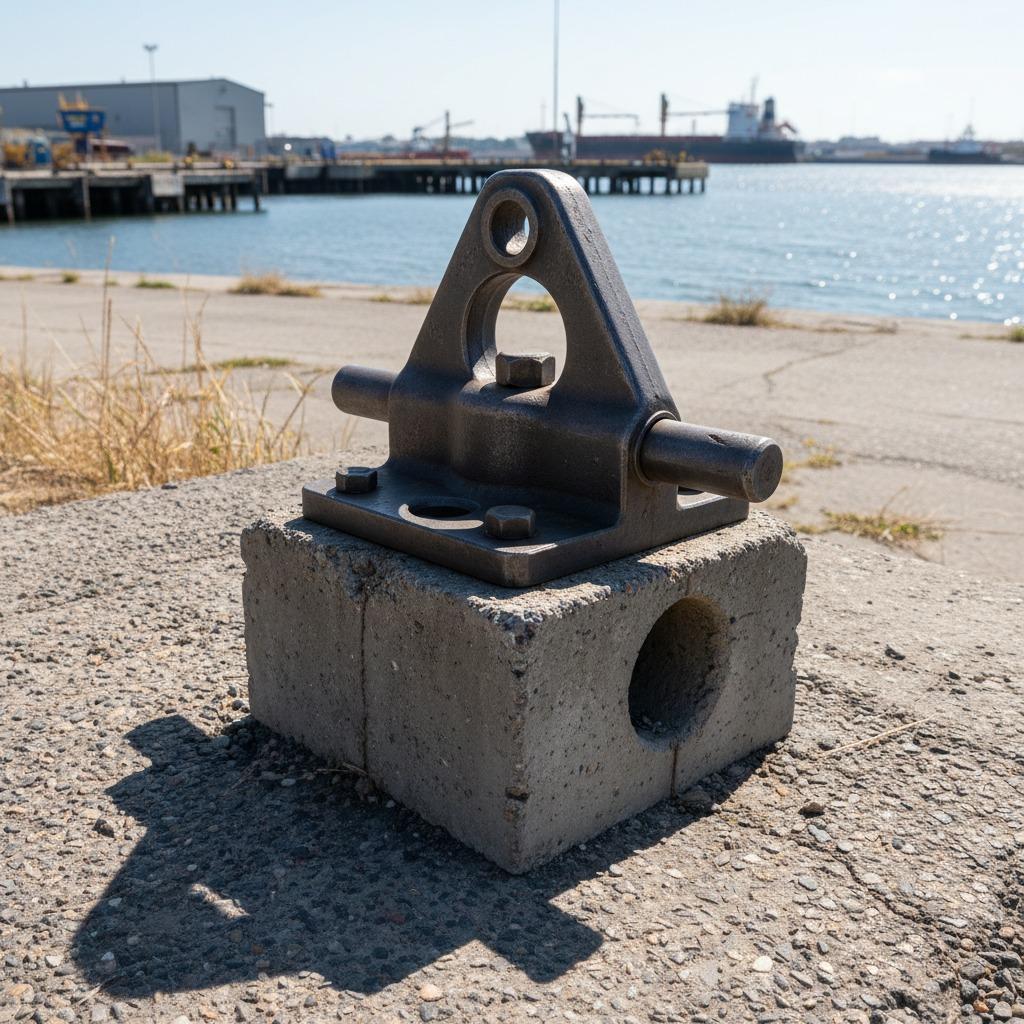
Shipping container twistlocks are fundamental tools in the logistics and freight industry, ensuring that containers remain securely fastened during transportation. These devices, often referred to as container twistlocks, play a critical role in preventing accidents and cargo damage by providing a reliable locking mechanism between containers and transport vehicles. Designed for durability and ease of use, shipping container twistlocks are engineered to withstand the rigors of global shipping, from ocean voyages to overland trucking. In this article, we explore the intricacies of these essential components, their types, and their importance in modern supply chains.
Understanding Container Twistlocks and Their Core Functionality
Container twistlocks, a staple in intermodal transport, are specialized fittings that lock into the corner castings of standard shipping containers. These ISO-standardized devices feature a pin that inserts into the container's corner fitting and a locking mechanism that twists to secure the connection. The primary purpose of container twistlocks is to anchor containers firmly to ships, railcars, or truck chassis, minimizing movement and ensuring stability during transit. Made from high-tensile steel or cast iron, they are built to handle loads exceeding 30 tons per container, making them indispensable for heavy-duty applications.
The design of container twistlocks allows for quick installation and removal, typically requiring only a quarter-turn to engage or disengage. This efficiency is particularly valuable in busy ports where time is of the essence. Moreover, their standardized dimensions ensure compatibility with all ISO 20-foot and 40-foot containers, promoting seamless integration across global logistics networks. By using container twistlocks, operators can reduce the risk of container slippage, which could otherwise lead to hazardous situations or costly delays.
Exploring Twistlock Systems for Enhanced Container Management
Twistlock systems represent a more comprehensive approach to container securement, often incorporating multiple twistlocks integrated into a single framework or automated setup. These systems are commonly found on container ships and terminal cranes, where they facilitate the lifting, stacking, and transfer of multiple containers simultaneously. A typical twistlock system might include automatic locking mechanisms that engage upon contact with the container's corner casting, reducing manual labor and human error. For instance, in automated container terminals, twistlock systems use sensors to confirm secure attachment before any movement begins.
One key advantage of advanced twistlock systems is their adaptability to various handling equipment, such as spreader beams and gantry cranes. These systems often feature visual indicators, like color-coded pins, to signal whether the lock is properly engaged, enhancing operational safety. In high-volume environments, such as major ports like Singapore or Rotterdam, twistlock systems contribute to faster turnaround times by streamlining the loading and unloading processes. Additionally, some modern twistlock systems incorporate RFID technology for tracking container positions, further optimizing inventory management in the supply chain.
Beyond basic securement, twistlock systems support lashing and bridging configurations, where containers are interconnected in stacks to form stable structures on deck. This is crucial for maximizing cargo capacity on vessels while maintaining balance and preventing shifts during rough seas. By investing in robust twistlock systems, shipping companies can achieve greater reliability, lower maintenance costs, and compliance with international maritime safety regulations like those set by the International Maritime Organization (IMO).
The Durability and Applications of Heavy-Duty Container Twistlocks
Heavy-duty container twistlocks are specifically engineered for the most demanding environments, where standard devices might falter under extreme stress. Constructed from premium alloys with corrosion-resistant coatings, these twistlocks are ideal for marine and offshore applications, enduring saltwater exposure, high winds, and heavy vibrations. For example, in the oil and gas industry, heavy-duty container twistlocks secure equipment modules on supply vessels navigating turbulent waters, ensuring that critical cargo remains intact.
The robustness of heavy-duty container twistlocks is evident in their load-bearing capacity, often rated for dynamic forces up to 50 tons or more. This makes them suitable for oversized or specialized containers, such as those used in refrigerated or hazardous material transport. In rail freight, heavy-duty variants are employed to lock containers onto flatcars, where they must resist lateral forces during high-speed travel. Their design also includes reinforced handles and ergonomic features for safe manual operation, reducing the risk of injury in industrial settings.
Furthermore, heavy-duty container twistlocks are pivotal in disaster relief operations, where rapid deployment and unwavering reliability are paramount. Organizations like the United Nations rely on these devices to secure aid supplies in containers shipped to remote or unstable regions. Regular inspections and maintenance of heavy-duty container twistlocks, including checks for wear on the locking pins and housings, ensure they perform optimally over years of service. By choosing high-quality heavy-duty options, logistics providers can safeguard their operations against the unpredictable challenges of global trade.
Selecting the Right Shipping Container Twistlocks for Your Needs
When choosing shipping container twistlocks, several factors come into play to match the specific demands of your operations. For general-purpose use, standard container twistlocks suffice, offering a balance of cost and performance. However, for environments involving corrosive elements or extreme loads, opting for heavy-duty container twistlocks with enhanced coatings, such as galvanized or epoxy finishes, is advisable. It's also essential to verify compliance with ISO 1161 standards for corner fittings to guarantee interoperability.
Twistlock systems with modular components allow for customization, enabling users to scale up for larger fleets or integrate with existing equipment. Consider the frequency of use and the type of transport—ocean, rail, or road—as each presents unique stresses. For instance, road transport might prioritize twistlocks with anti-vibration features to handle potholes and sharp turns. Additionally, training personnel on proper usage, including torque specifications for locking, is crucial to maximize safety and longevity.
In summary, shipping container twistlocks, encompassing container twistlocks, twistlock systems, and heavy-duty variants, are the backbone of secure and efficient container handling. Their evolution from simple manual locks to sophisticated automated systems reflects the industry's commitment to innovation and safety. Whether you're a port operator, freight forwarder, or manufacturer, investing in reliable shipping container twistlocks ensures smoother logistics and peace of mind in every journey.