
Exploring Container Home Floor Plans: Innovative Living Solutions
Container home floor plans offer a revolutionary approach to modern housing, blending sustainability with architectural creativity. As urban spaces tighten and environmental concerns grow, these plans utilize repurposed shipping containers to create efficient, customizable living environments. Drawing from shipping container house designs, enthusiasts and builders are transforming industrial relics into cozy abodes that challenge traditional construction norms. This method not only reduces waste but also provides affordable housing options that can be assembled quickly on various terrains.
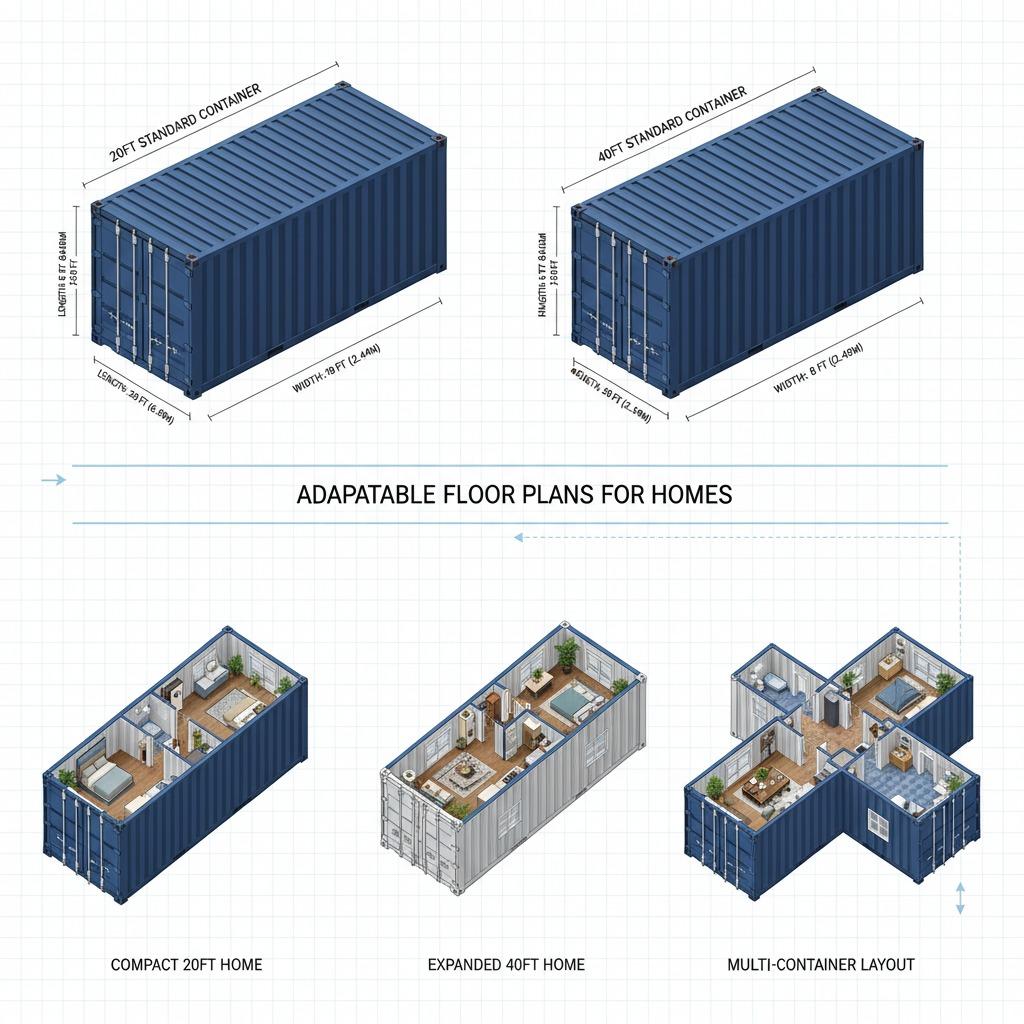
The appeal of container home floor plans lies in their modularity and versatility. Unlike conventional homes, these structures start with standard 20- or 40-foot containers, which serve as the foundational building blocks. Architects can stack, connect, or expand these units to form single-family residences, multi-unit dwellings, or even community hubs. The key is in the planning: thoughtful layouts ensure natural light, airflow, and functional spaces without compromising the container's structural integrity. For instance, cutting out sections for windows or doors requires precise engineering to maintain stability, often incorporating reinforcements like steel beams.
Key Elements of Shipping Container House Designs
Shipping container house designs emphasize simplicity and efficiency, making them ideal for eco-conscious homeowners. These designs typically prioritize open-concept layouts to maximize the limited square footage—often around 160 to 320 square feet per container. A popular configuration involves aligning two containers side by side to create a rectangular footprint, allowing for a spacious living area that flows into a kitchen and dining space. Bedrooms and bathrooms can be tucked into the ends, with lofts added above for extra sleeping quarters or storage.
Insulation is a critical aspect of shipping container house designs, as the steel exteriors can conduct heat and cold. Builders often apply spray foam or rigid panels inside the walls to regulate temperature, paired with energy-efficient windows and doors. Exterior finishes, such as wood siding or colorful metal panels, not only enhance aesthetics but also protect against the elements. Ventilation systems, including roof vents and HVAC units, ensure comfort in varying climates. These designs also incorporate sustainable features like solar panels and rainwater collection, aligning with green building standards.
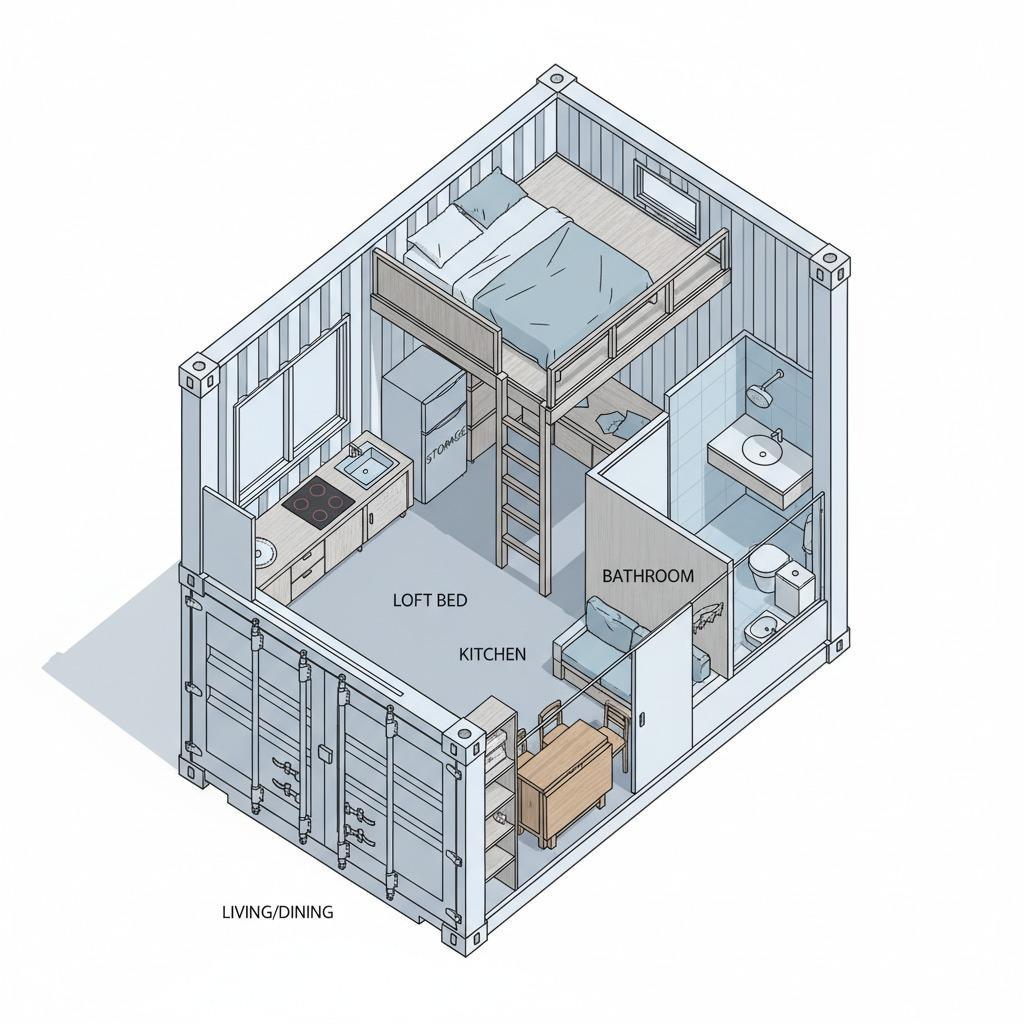
One standout example in shipping container house designs is the single-container studio, perfect for minimalists or as a guest house. Here, the floor plan might divide the space into a compact kitchenette, a multifunctional living-sleeping area, and a small bathroom. Walls can be fitted with built-in furniture to save space, such as fold-down beds or Murphy desks. For larger families, connecting multiple containers in an L-shape creates private zones while maintaining communal areas, fostering a sense of openness amid the modular constraints.
Modular Container Home Layouts for Modern Lifestyles
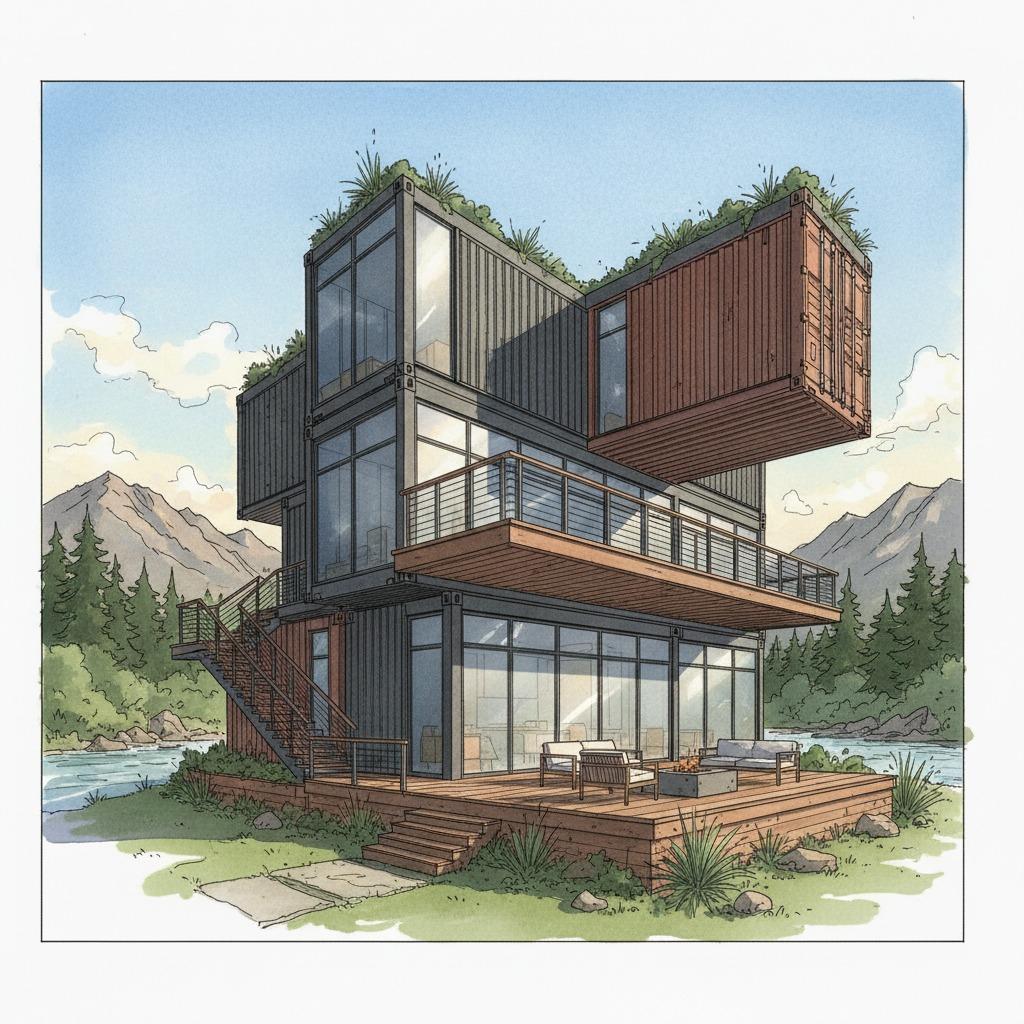
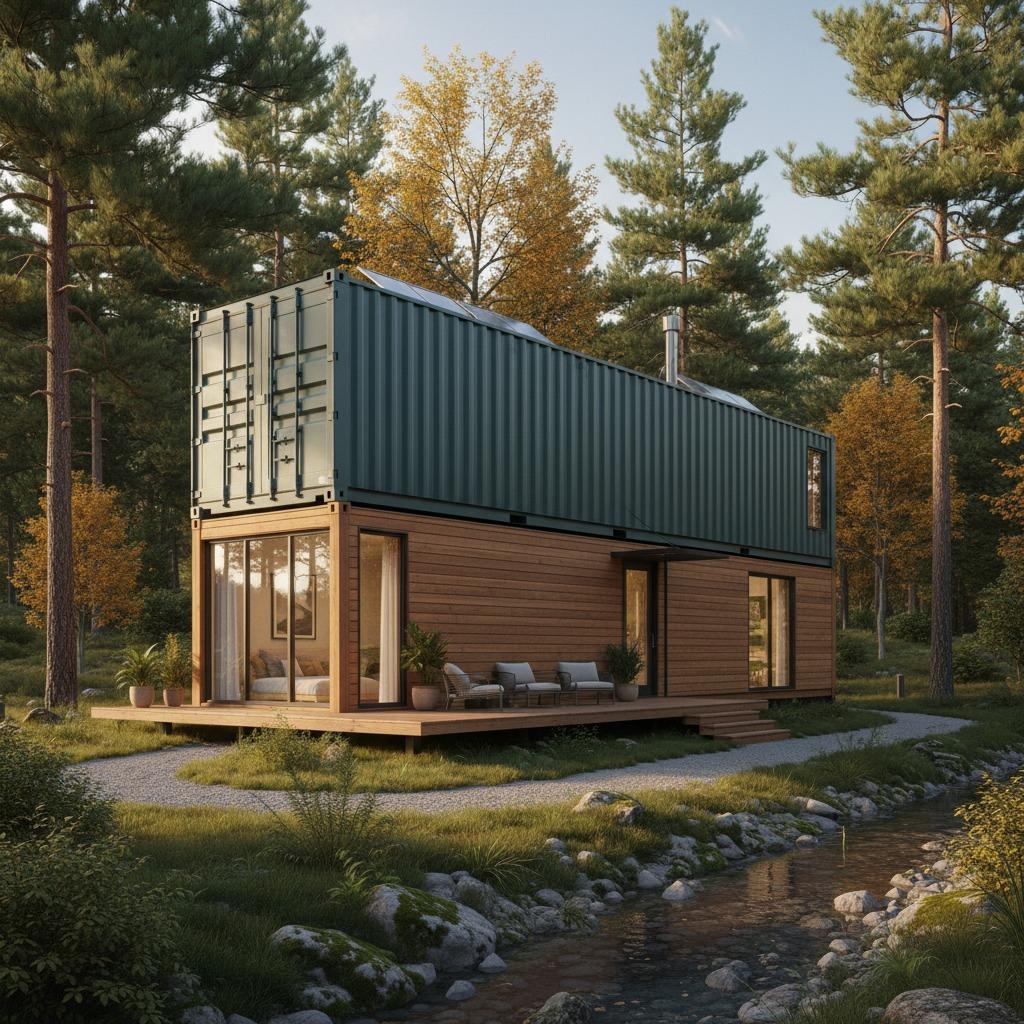
Modular container home layouts take the concept further by allowing prefabrication off-site, which speeds up construction and minimizes disruption. These layouts are highly adaptable, suiting everything from urban infill projects to rural retreats. A two-story setup, for example, stacks containers vertically, with the ground level dedicated to living spaces and the upper for bedrooms, connected by an internal staircase. This vertical approach saves land while offering panoramic views through strategically placed windows.
In modular container home layouts, flow and connectivity are paramount. Designers often use corridor-less plans to eliminate wasted space, opting instead for open plans that integrate kitchen, dining, and lounge areas seamlessly. Sliding doors or partitions can create flexible boundaries when privacy is needed. Outdoor integration is another strength; patios or decks built from container remnants extend the living area, blurring indoor-outdoor lines. For accessibility, layouts can include wider doorways and ground-level entries, making them suitable for all ages.
Customization shines in modular container home layouts, where clients can tailor plans to their needs. A family might request a layout with a home office in one container and playroom in another, linked by a glass-enclosed walkway. Kitchens often feature industrial-style counters made from repurposed materials, adding character. Bathrooms incorporate compact fixtures like corner sinks and walk-in showers to optimize space. Lighting plays a vital role too—recessed LEDs and skylights combat the container's inherent dimness, creating inviting atmospheres.
Benefits and Practical Considerations for Container Home Floor Plans
The benefits of container home floor plans extend beyond aesthetics to include cost savings and durability. Shipping containers are inherently robust, designed to withstand harsh maritime conditions, which translates to homes resilient against weather and pests. Construction costs can be 20-30% lower than traditional builds, thanks to the ready-made structures and reduced material needs. Moreover, these plans support rapid assembly—sometimes in weeks rather than months—appealing to those seeking quick relocation options.
However, navigating challenges is essential when implementing container home floor plans. Zoning laws vary by location, so verifying local regulations is crucial before starting. Foundation choices, like concrete piers or slabs, must account for the container's weight and soil type to prevent shifting. Utility integrations—plumbing, electrical, and sewage—require professional input to comply with codes. Despite these hurdles, the payoff is a home that's not only unique but also a statement of innovation.
Sustainability remains a cornerstone of container home floor plans. By reusing containers, builders divert thousands of tons from landfills annually. Energy-efficient designs lower utility bills, and the small footprint reduces overall environmental impact. For those drawn to shipping container house designs and modular container home layouts, these plans represent a forward-thinking path to homeownership. They invite creativity, promoting spaces that are as functional as they are forward-looking.
Real-World Examples and Inspiration
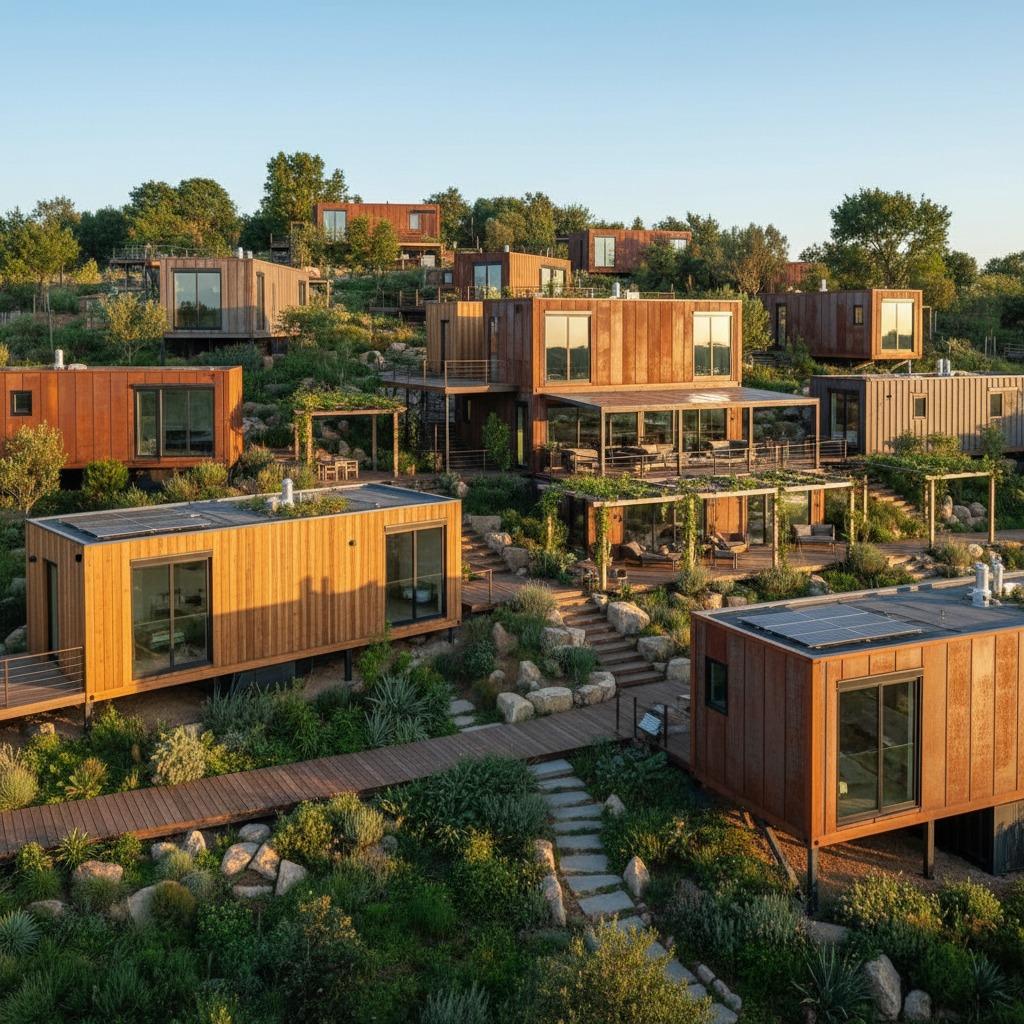
Across the globe, container home floor plans have inspired diverse projects. In urban settings like Los Angeles, developers use stacked containers for affordable housing complexes, each with tailored layouts for efficiency. In rural Australia, off-grid homes incorporate solar arrays and composting toilets within modular container home layouts, achieving self-sufficiency. These examples showcase how shipping container house designs can adapt to cultural and climatic contexts, from tropical patios in Costa Rica to insulated units in Scandinavian winters.
Homeowners often share stories of personalization, like converting a container into a floating home on waterways, with floor plans that include buoyant foundations. Others blend containers with traditional elements, such as adding a wooden frame for expansion. Online communities buzz with blueprints and tips, making it easier to visualize one's dream layout. Whether for a starter home or a luxury retreat, container home floor plans empower individuals to build sustainably and stylishly.
In conclusion, delving into container home floor plans reveals a world of possibilities. From the rugged origins of shipping container house designs to the precision of modular container home layouts, these approaches redefine residential architecture. They offer a practical, eco-friendly alternative that's accessible and exciting, encouraging more people to embrace innovative living.