
Shipping Container Sizes: A Comprehensive Guide
Shipping container sizes form the backbone of global logistics, enabling efficient transportation and storage across industries. As a leading provider at Yangzhou Changyuan Metal Trading Co., Ltd., we specialize in high-quality shipping containers tailored for diverse needs. Understanding these sizes is crucial for businesses and individuals optimizing their supply chains. In this article, we'll explore the essentials of shipping container sizes, delving into container dimensions, standard container dimensions, container width, and shipping container height to help you make informed decisions.
Understanding Standard Shipping Container Dimensions
Standard container dimensions are designed for interoperability worldwide, adhering to ISO specifications that ensure seamless stacking and transport. The most common shipping container sizes include the 20-foot and 40-foot variants, which dominate international trade. A 20-foot container typically measures 20 feet in length, 8 feet in width, and 8 feet 6 inches in height, offering an internal volume of about 1,170 cubic feet. This size is ideal for smaller shipments or when space on vessels is limited.
For larger needs, the 40-foot container extends to 40 feet in length while maintaining the same container width of 8 feet and shipping container height. Its internal capacity reaches approximately 2,390 cubic feet, making it perfect for bulk goods. These standard container dimensions allow for efficient loading onto ships, trucks, and trains, minimizing wasted space. At Yangzhou Changyuan Metal Trading Co., Ltd., our standard shipping containers are crafted from robust steel, ensuring they meet these precise dimensions for global compatibility.
Variations exist, such as high-cube containers that increase the shipping container height by one foot to 9 feet 6 inches. This extra height accommodates taller cargo without altering the container width, providing up to 10% more volume. Factors like tare weight—around 2,300 kg for a 20-foot unit—and maximum payload influence size selection. Proper knowledge of these dimensions prevents overloading issues and optimizes cost per shipment.
Key Aspects of Container Width and Its Impact
Container width plays a pivotal role in determining how much cargo fits side by side. The universal standard of 8 feet (2.44 meters) for external container width ensures uniformity, allowing containers to fit precisely on standard flatbed trailers and vessel decks. Internally, this translates to about 7 feet 8 inches of usable space, accounting for wall thickness. This consistent container width facilitates pallet loading, with most Euro pallets fitting two abreast.
When comparing shipping container sizes, the fixed width simplifies logistics planning. For instance, our 20-foot and 40-foot containers at Yangzhou Changyuan Metal Trading Co., Ltd., adhere strictly to this standard, enabling easy integration into multimodal transport networks. Wider options, like 8.5-foot containers, are rare and mostly used in specific regional applications, but they can complicate international shipping due to non-standard dimensions.
The implications of container width extend to storage solutions. On construction sites or warehouses, these dimensions allow for stable stacking, with reinforced corners supporting multiple units high. Businesses must consider doorway widths for loading—typically 7 feet 8 inches internally—to ensure smooth operations. By focusing on these details, companies can maximize efficiency and reduce handling times.
Exploring Shipping Container Height Variations
Shipping container height directly affects vertical space utilization, a critical factor in three-dimensional cargo packing. The standard height of 8 feet 6 inches accommodates most general freight, from machinery to consumer goods. However, high-cube variants at 9 feet 6 inches offer enhanced capacity, ideal for lightweight, voluminous items like textiles or furniture. This increase in shipping container height boosts internal volume without extending length or width.
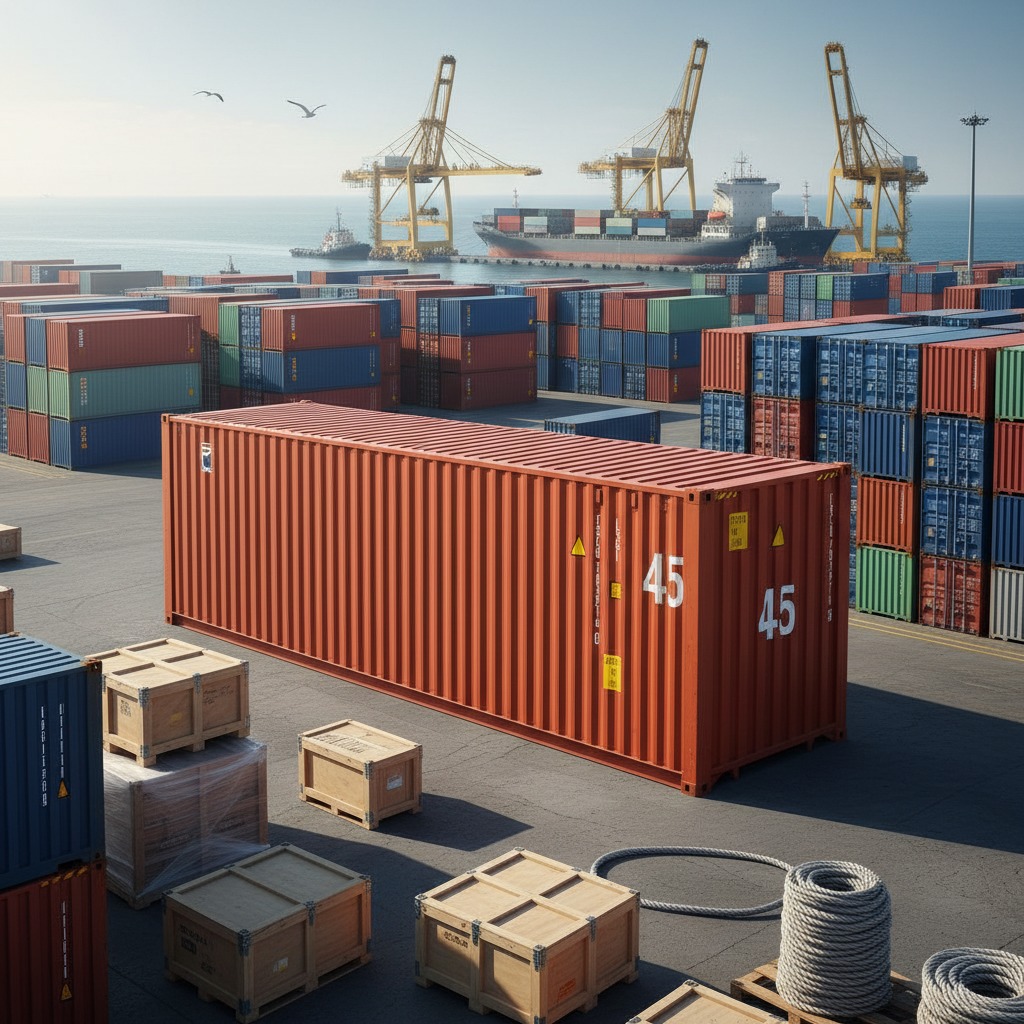
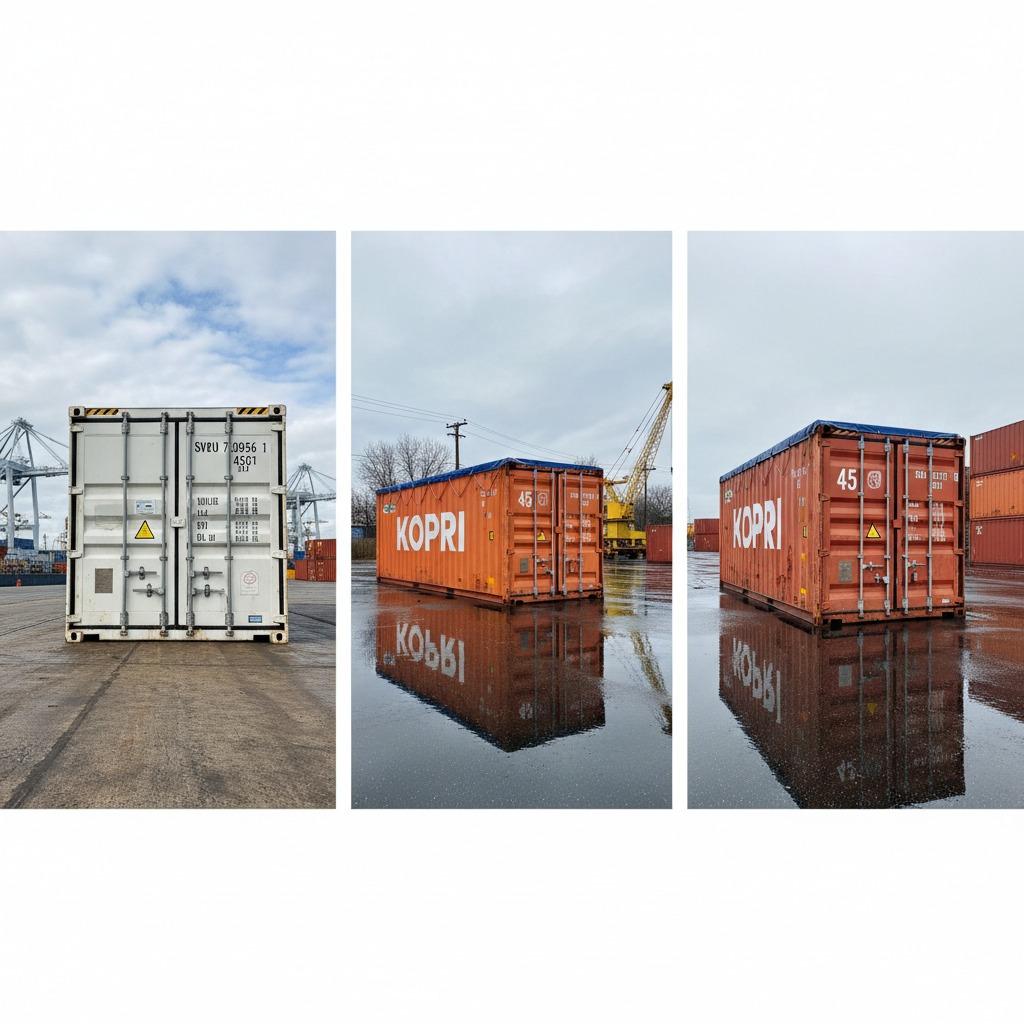
In practice, choosing the right height depends on your cargo profile. For example, our robust 45-foot shipping container, available from Yangzhou Changyuan Metal Trading Co., Ltd., stands at a standard height but provides elongated length for substantial loads. The OT31 cargo container, with its heavy-duty construction and secure features, maintains optimal height for stacking in harsh environments, such as research expeditions.
Height also influences transportation modes. On ships, taller containers may require specific slots to avoid overhangs, while trucks must comply with road height limits, often capping at 9 feet 6 inches total including chassis. Ventilation and insulation needs can further dictate height choices, ensuring temperature-sensitive goods remain protected. Understanding these nuances helps in selecting containers that align with operational demands.
Practical Applications of Shipping Container Sizes
Beyond basics, shipping container sizes influence real-world applications from maritime trade to on-site storage. In global shipping, the 20-foot and 40-foot sizes handle 90% of containerized cargo, with dimensions optimized for TEU (Twenty-foot Equivalent Unit) calculations. A 40-foot unit equals two TEUs, streamlining billing and capacity planning.
For specialized uses, our standard shipping container at Yangzhou Changyuan Metal Trading Co., Ltd., measuring 500 cm in length, exemplifies versatility. Its 8-foot container width and height make it suitable for personal storage or logistics hubs. The vibrant OT31 model, with its orange finish and blue tarpaulin, addresses extreme conditions, maintaining standard dimensions for easy handling in industrial settings.
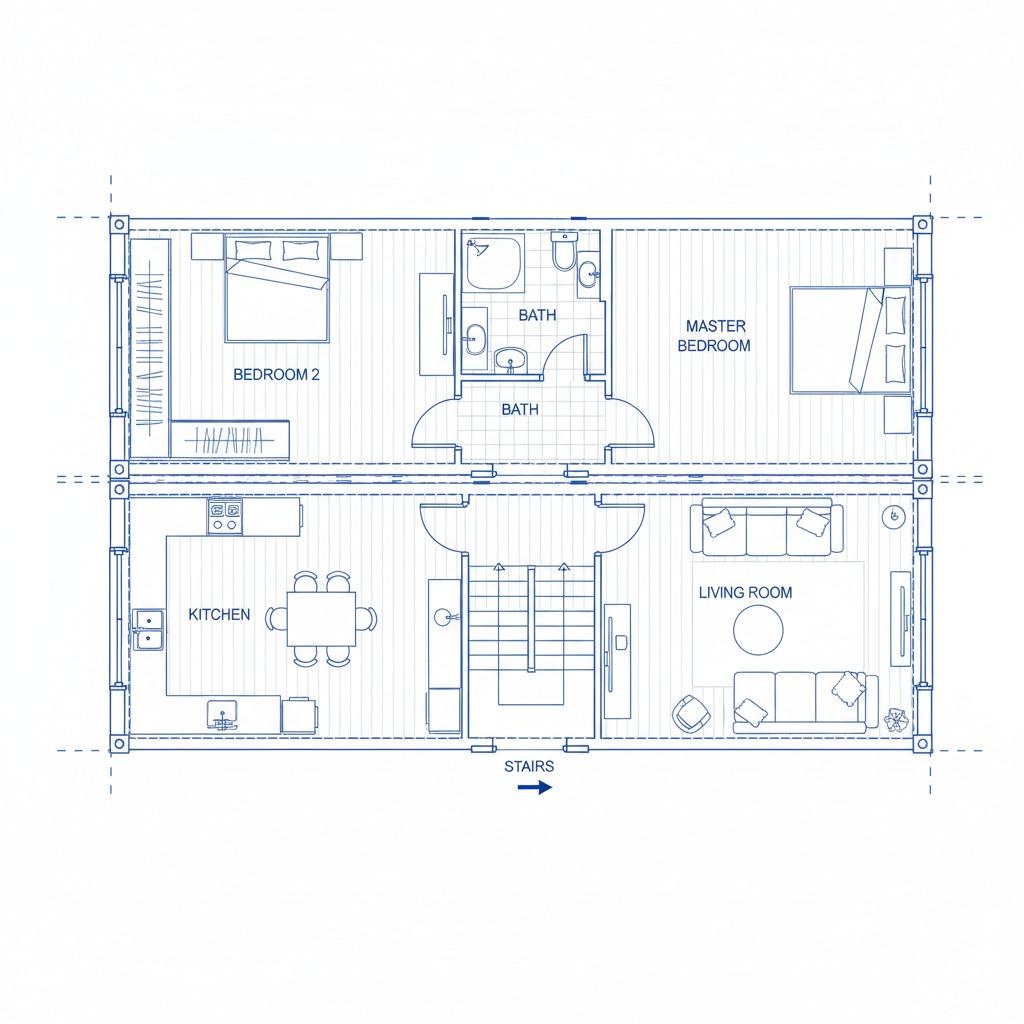
The 45-foot option caters to oversized shipments, offering extended length while preserving standard width and height for compatibility. Businesses converting containers into offices or homes appreciate these sizes for their modularity—stackable and relocatable. Security features like locking mechanisms enhance usability across environments, from docks to remote sites.
Selecting the Right Shipping Container Size for Your Needs
Choosing among shipping container sizes requires balancing volume, cost, and logistics. Start by assessing cargo dimensions: measure length, width, and height to match container specs, leaving room for securing loads. Standard container dimensions ensure cost-effectiveness, as non-standard sizes incur surcharges.
Consider transportation routes—international voyages favor ISO-compliant units. For storage, factor in site constraints; a narrower container width might suit tight spaces. At Yangzhou Changyuan Metal Trading Co., Ltd., we offer containers with reinforced designs for durability, like the weather-resistant 45-foot model with caution labels for safety.
Budget plays a role: smaller sizes reduce initial costs but may require multiple units for large volumes. Sustainability is another angle—efficient sizing minimizes fuel use in transit. Our products, including the secure, versatile standard unit, blend functionality with global standards, ensuring your operations run smoothly.
Future Trends in Shipping Container Dimensions
As logistics evolves, shipping container sizes may see innovations like modular expansions or smart tech integrations. While core dimensions remain stable for compatibility, high-cube popularity grows with e-commerce demands for volume. Container width and height could adapt to electric vehicles or automated ports, prioritizing efficiency.
Yangzhou Changyuan Metal Trading Co., Ltd., stays ahead by producing containers like the OT31, optimized for future challenges with enhanced protection. Advances in materials might lighten weights without compromising strength, allowing taller shipping container heights. Staying informed on these trends ensures businesses remain competitive in a dynamic market.
In summary, mastering shipping container sizes, from container dimensions to specific widths and heights, empowers better decision-making. Whether for trade or storage, selecting the right size enhances efficiency and security. Contact Yangzhou Changyuan Metal Trading Co., Ltd., for premium solutions that fit your exact requirements.