
Introduction to Cargo Container Home Floor Plans
Cargo container home floor plans offer a revolutionary approach to affordable and sustainable housing. These plans transform standard shipping containers into functional living spaces, blending industrial aesthetics with modern comfort. As urban populations grow and housing costs rise, cargo container home floor plans have gained popularity for their efficiency and eco-friendliness. Whether you're a first-time homeowner or seeking a unique tiny home solution, these plans provide endless possibilities for customization. In this article, we'll explore the intricacies of designing your dream home using repurposed containers, focusing on practical layouts that maximize space and style.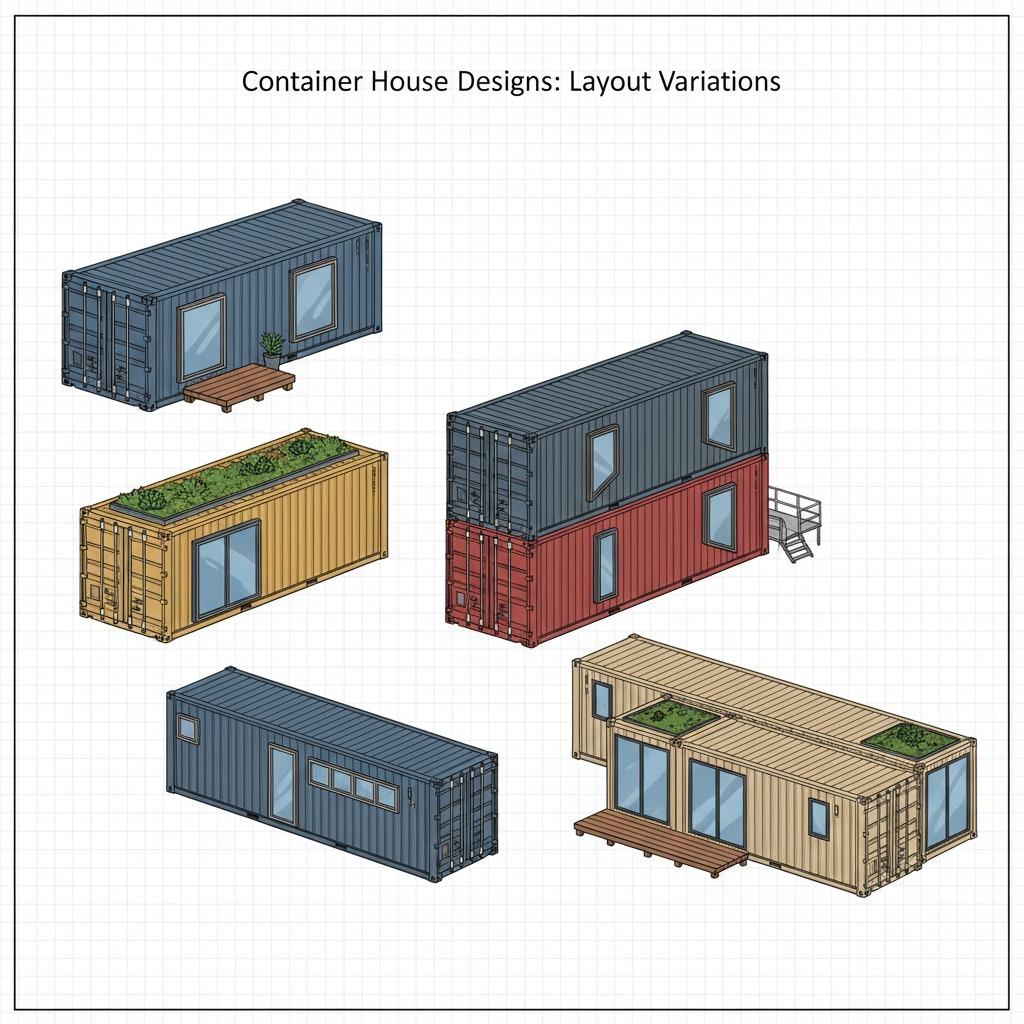
Understanding Container House Designs
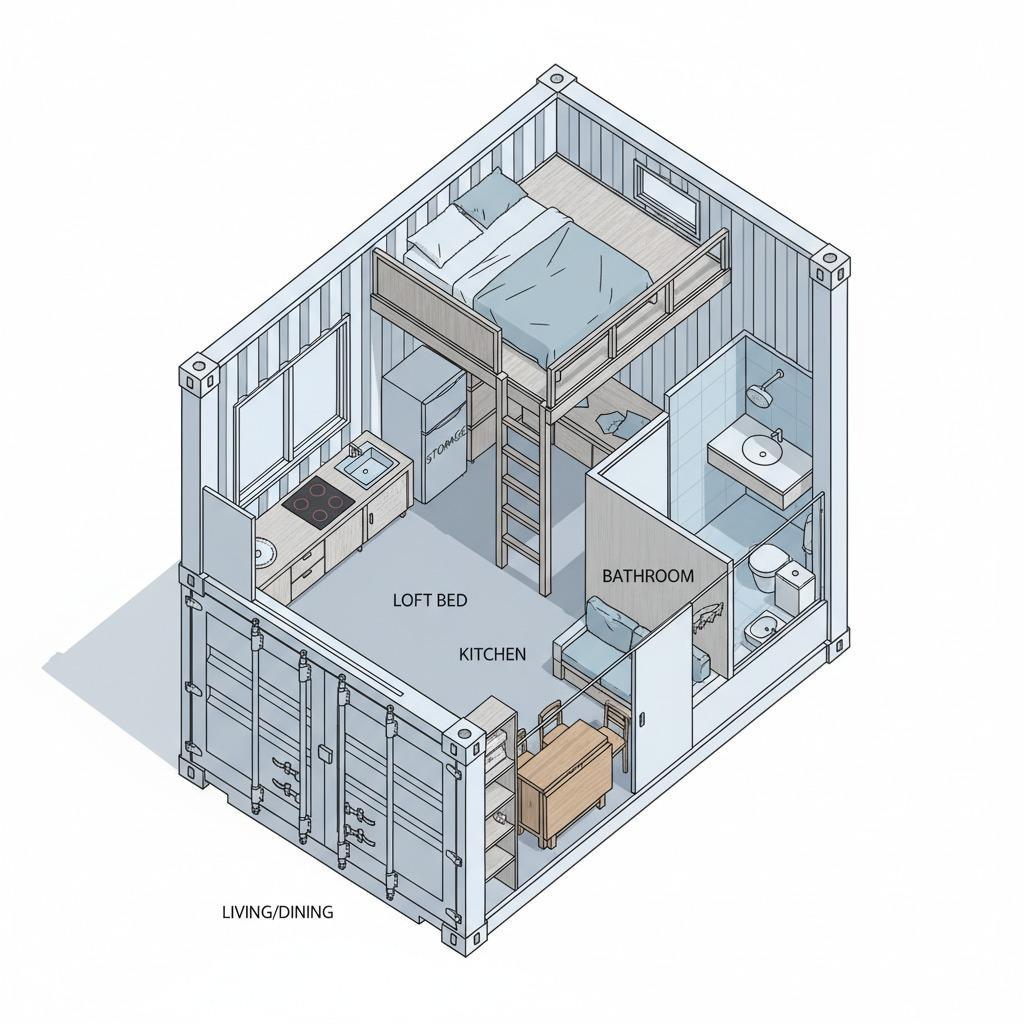
Container house designs form the foundation of any cargo container home floor plan. These designs typically start with a 20-foot or 40-foot ISO shipping container, which can be stacked or arranged side-by-side to create larger structures. One popular container house design is the single-container layout, ideal for studios or one-bedroom homes. Here, the container's length becomes the primary living area, with a kitchenette at one end and a sleeping nook at the other. Insulation is crucial in these designs to combat the metal's conductivity, often incorporating spray foam or rigid panels. Ventilation and natural light are enhanced through strategically placed windows and sliding doors, turning what was once a cargo hauler into a cozy abode. Exploring various container house designs allows builders to adapt to different terrains, from urban lots to rural retreats, ensuring versatility in every project.
Modular Container Home Layouts for Flexibility
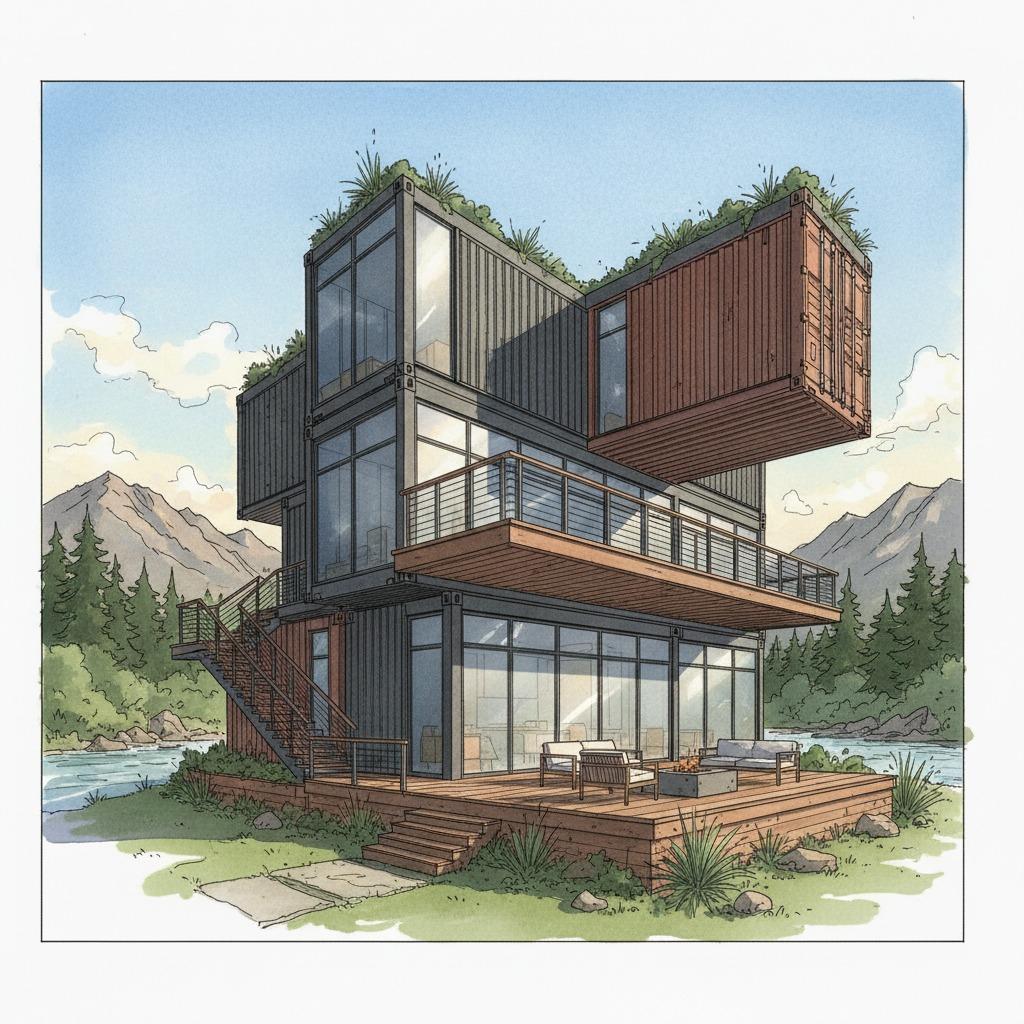
Modular container home layouts take cargo container home floor plans to the next level by emphasizing prefabrication and easy assembly. These layouts involve constructing modules off-site and transporting them to the building site, reducing on-site labor and timelines. A common modular container home layout features two containers joined perpendicularly to form an L-shaped home, providing separate zones for living, dining, and sleeping. This setup optimizes airflow and privacy while maintaining an open feel. Inside, lofted areas can add extra bedrooms without expanding the footprint, perfect for families. Electrical and plumbing systems are pre-installed in these modules, ensuring compliance with building codes. The beauty of modular container home layouts lies in their scalability; start with one unit and expand as needs evolve, making them a smart choice for growing households or investment properties.
Exploring Shipping Container Floor Plans in Detail
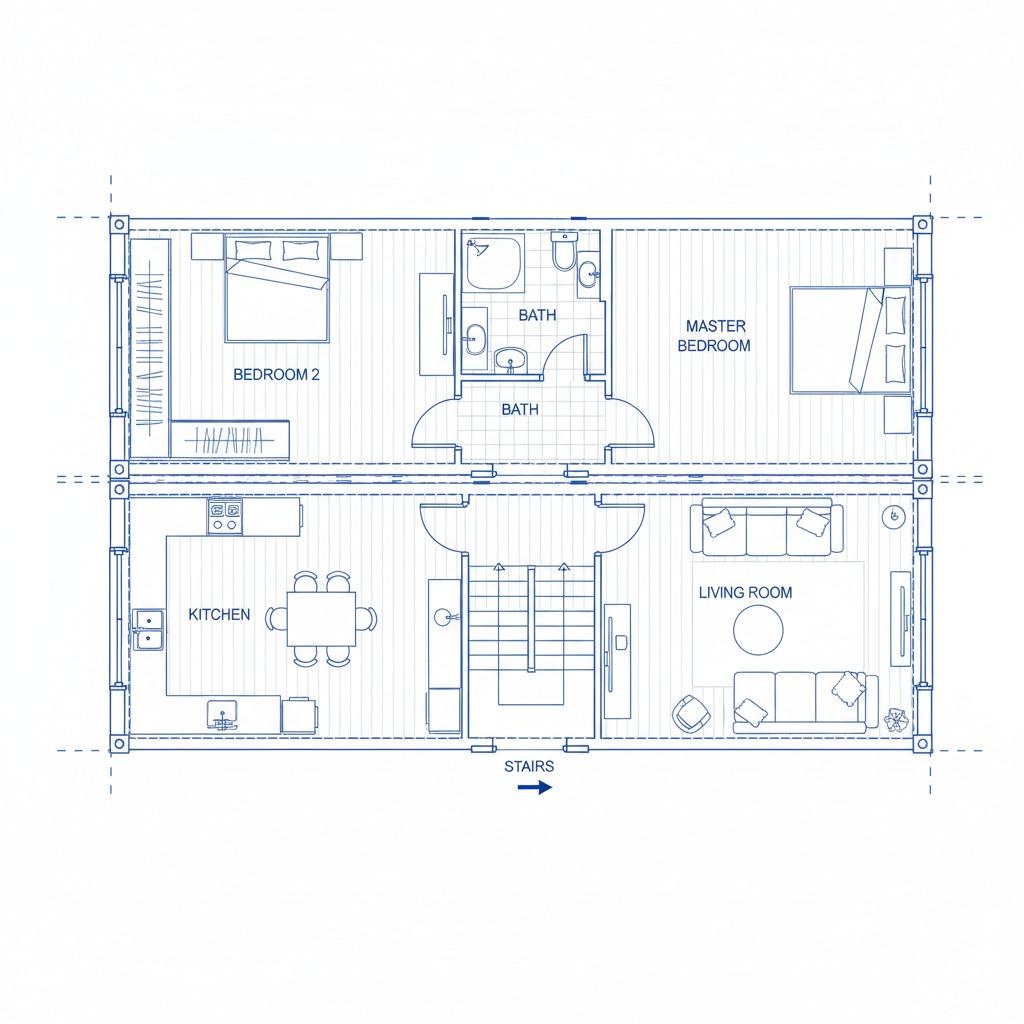
Shipping container floor plans within the realm of cargo container home floor plans showcase innovative ways to repurpose steel boxes into multi-room dwellings. A two-container shipping container floor plan might align units end-to-end for a 80-foot linear home, featuring a spacious great room that flows into a master suite. Kitchens in these plans often include butcher-block counters and energy-efficient appliances fitted to the container's dimensions. Bathrooms can be compact yet luxurious, with rainfall showers and vessel sinks that contrast the rugged exterior. For multi-story options, shipping container floor plans incorporate steel framing to support upper levels, creating homes with rooftop decks for outdoor living. Sustainability is a key aspect, as these plans often integrate solar panels and rainwater collection systems, minimizing environmental impact. Custom shipping container floor plans can even include home offices or gyms, catering to remote work trends and wellness lifestyles.
Key Considerations for Designing Your Cargo Container Home
When developing cargo container home floor plans, several factors must be addressed to ensure longevity and comfort. Site preparation is essential, including foundation options like concrete piers or slab-on-grade to handle the container's weight. Zoning laws vary by location, so consulting local regulations early prevents setbacks. Budgeting for cargo container home floor plans typically ranges from $50,000 to $150,000, depending on size and finishes. Aesthetic enhancements, such as corten steel siding or wooden accents, can elevate the industrial look to something more inviting. Energy efficiency is another priority; high R-value insulation and double-glazed windows help maintain indoor temperatures. Professional architects specializing in container house designs can refine your vision, ensuring structural integrity and code adherence. By focusing on these elements, your cargo container home floor plans will not only be functional but also a testament to innovative living.
Benefits of Choosing Container House Designs
Opting for container house designs in your cargo container home floor plans yields numerous advantages. Durability is paramount, as shipping containers are built to withstand harsh marine environments, translating to robust homes that resist pests and weather. The speed of construction—often completed in weeks rather than months—appeals to those eager to move in quickly. Cost savings come from using recycled materials, aligning with green building practices that reduce carbon footprints. Modular container home layouts enhance this by allowing phased builds, spreading expenses over time. Moreover, these designs promote minimalism, encouraging clutter-free spaces that foster well-being. Homeowners appreciate the customization potential, from urban lofts to seaside cabins, all rooted in versatile shipping container floor plans. As awareness grows, cargo container home floor plans continue to redefine accessible housing worldwide.
Real-World Examples of Modular Container Home Layouts
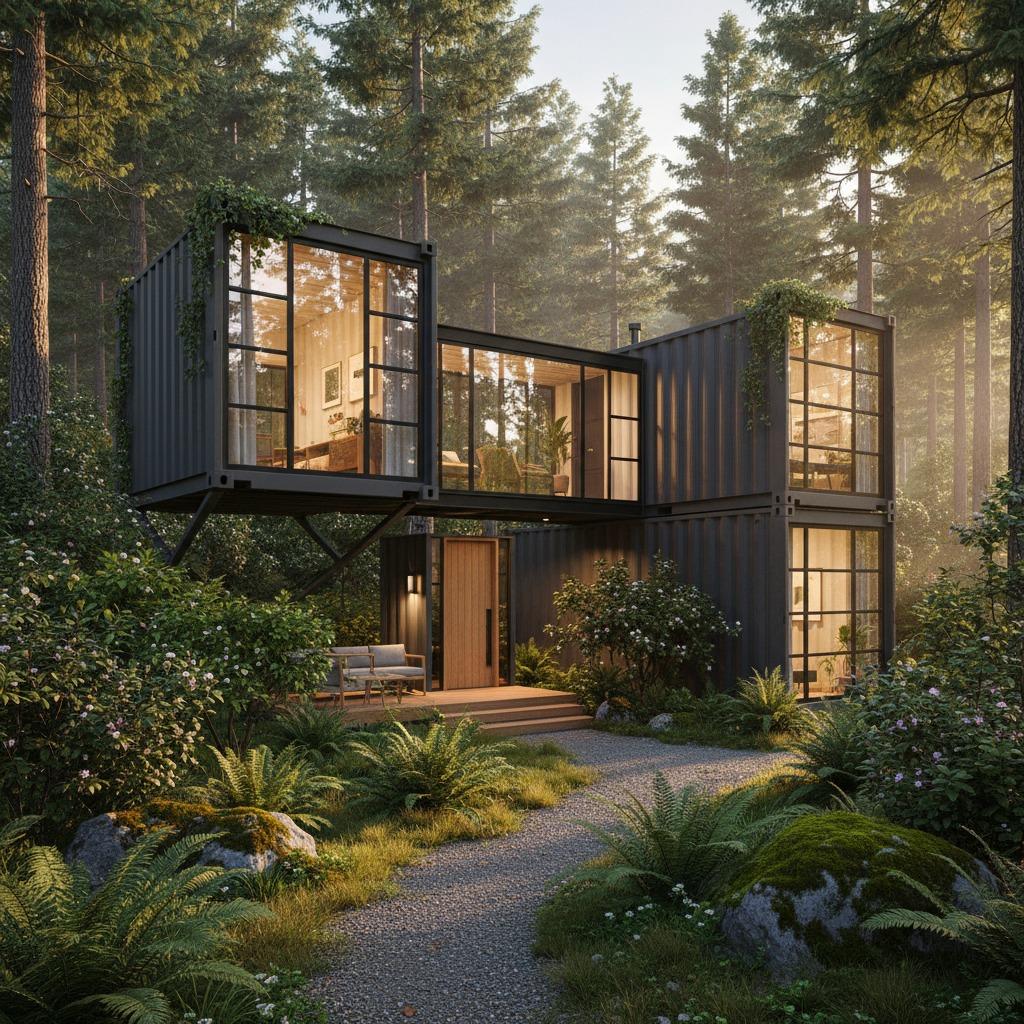
Real-world applications of modular container home layouts illustrate the practicality of cargo container home floor plans. In California, a family converted three 40-foot containers into a 1,200-square-foot home with an open-plan kitchen and two en-suite bedrooms, complete with a wraparound porch. This shipping container floor plan incorporated floor-to-ceiling windows for panoramic views, blending indoor and outdoor spaces seamlessly. Another example in Texas features a stacked modular container home layout, creating a two-story retreat with a ground-floor garage and upper-level living quarters. These container house designs highlight how thoughtful planning can address challenges like humidity and heat through proper sealing and HVAC integration. Community projects, such as eco-villages in Europe, use interconnected shipping container floor plans to house multiple families sustainably. These stories demonstrate that cargo container home floor plans are not just conceptual but thriving realities.
Tips for Customizing Shipping Container Floor Plans
Customizing shipping container floor plans within cargo container home floor plans allows for personal expression. Begin with sketching your desired flow, prioritizing high-traffic areas like the entryway and kitchen. Incorporate multi-functional furniture, such as Murphy beds or foldable tables, to maximize limited square footage in modular container home layouts. Lighting plays a vital role; recessed LEDs and skylights combat the container's inherent dimness. For container house designs, consider adding green roofs to improve insulation and aesthetics. Engage with online communities or software like SketchUp to visualize your shipping container floor plan before construction. Finally, select finishes that complement the metal framework, like polished concrete floors or reclaimed wood walls, ensuring your cargo container home floor plan feels warm and lived-in.
Frequently Asked Questions (FAQ)
1. What are the standard container sizes used in cargo container home floor plans?
The two most common sizes are:
-
20-foot container – Approximately 160 square feet of interior space
-
40-foot container – Approximately 320 square feet of interior space
Both are typically 8 feet wide and 8.5 to 9.5 feet tall (high-cube containers offer extra ceiling height). Containers can be stacked or joined side-by-side to create larger homes. A single 40-foot container can accommodate a one-bedroom layout with living area, kitchenette, and bathroom.
2. How much does it cost to build a home from cargo container home floor plans?
Costs vary based on size, finishes, location, and whether you DIY or hire professionals. General estimates:
| Project Scale | Typical Cost Range |
|---|---|
| Single 20-ft container (basic) | $20,000 – $40,000 |
| Single 40-ft container (finished) | $40,000 – $70,000 |
| Multi-container home (1,000+ sq ft) | $100,000 – $250,000+ |
Container shells are relatively inexpensive ($2,000–$5,000). Modifications, insulation, windows, doors, foundation, utilities, and interior finishes make up the majority of the budget. Permits and site preparation can add 30–40% to initial costs.
3. Do I need special permits or engineering for a cargo container home?
Yes. Most local building departments require:
-
Foundation plans – Permanent concrete piers or slab
-
Structural engineering – For cutting door/window openings, stacking containers, or removing walls
-
Insulation and ventilation compliance – Must meet local energy codes
-
Plumbing and electrical permits – Standard utility hookups apply
Because containers are non-standard construction, some municipalities may require additional certifications. However, many areas now have specific codes for container homes. Always consult local authorities and hire licensed professionals familiar with container construction.
4. How do I insulate a cargo container home?
Steel conducts heat and cold, so proper insulation is critical. Common methods:
| Insulation Type | Pros | Cons |
|---|---|---|
| Spray foam (closed-cell) | High R-value, seals gaps, prevents condensation | Higher cost, professional application required |
| Rigid foam boards (XPS/EPS) | DIY-friendly, good thermal performance | Takes up interior space (typically 2–4 inches) |
| Reflective insulation | Thin, works well in hot climates | Less effective in freezing temperatures |
Most builders recommend closed-cell spray foam because it creates a vapor barrier, preventing condensation (which leads to rust). Exterior cladding (wood, stucco, metal panels) provides a thermal break and enhances aesthetics.
5. Can I stack containers to build a multi-story cargo container home?
Yes. Containers are designed to support weight at their corner castings, making stacking feasible. Considerations include:
-
Structural engineering – Required to calculate safe stacking configurations (e.g., two or three containers high)
-
Reinforcements – Removing walls for open floor plans or stairs may require added steel beams
-
Foundation – Must be engineered to support the combined weight
-
Wind and seismic loads – Additional bracing may be needed in certain regions
Common stacked designs include a two-story home with living spaces on the ground floor and bedrooms above, or staggered arrangements for rooftop terraces.
6. Are cargo container homes eco-friendly and energy-efficient?
Yes, when properly designed. Environmental benefits include:
-
Recycling – Repurposing steel containers that would otherwise go to scrap
-
Reduced construction waste – Minimal material waste compared to traditional builds
-
Smaller footprint – Smaller square footage naturally consumes less energy
Energy-efficiency features can include:
-
Spray foam insulation – Creates a tight building envelope
-
Solar panels – Container roofs provide a flat, sturdy mounting surface
-
Passive solar design – Orienting windows for winter heating and summer cooling
-
Rainwater harvesting – Collecting runoff for landscaping or non-potable uses
-
High-performance windows – Double or triple glazing for thermal control