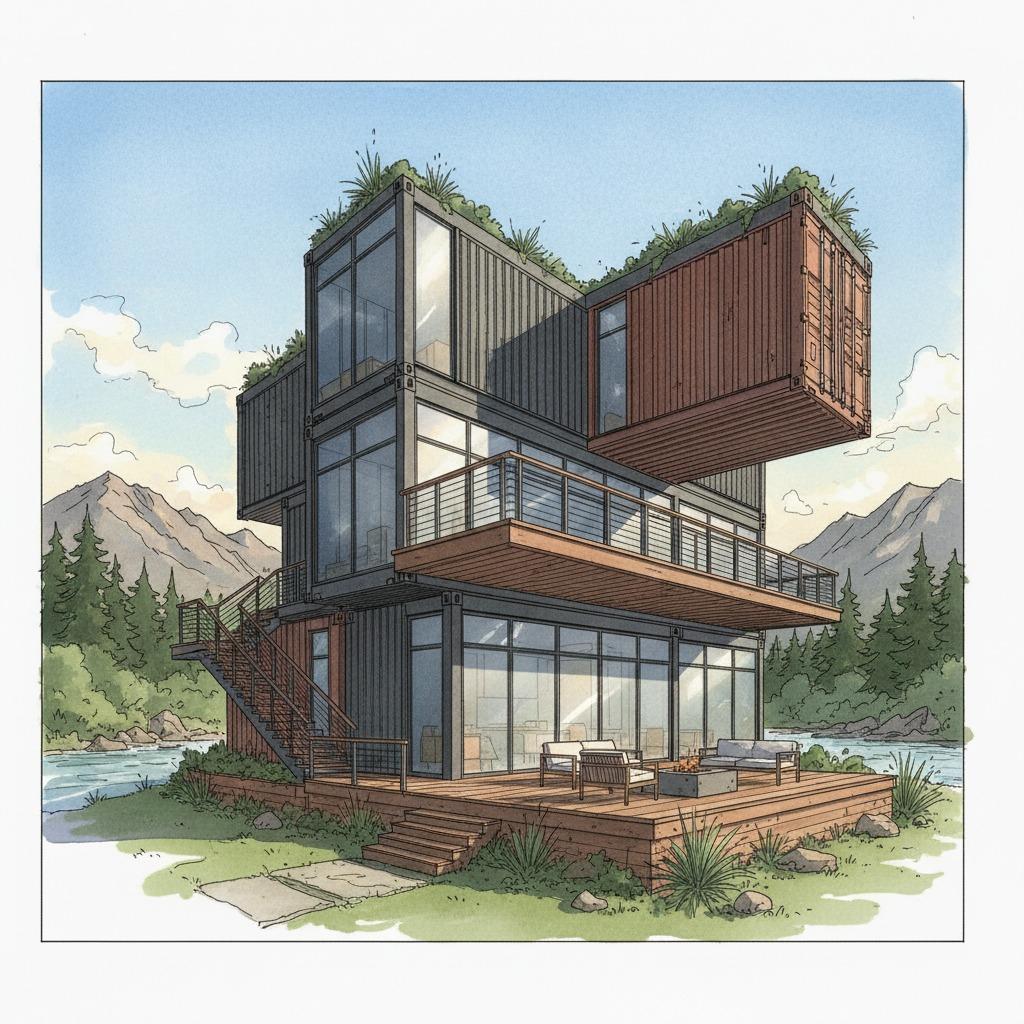

Understanding Shipping Container Components for Industrial Applications
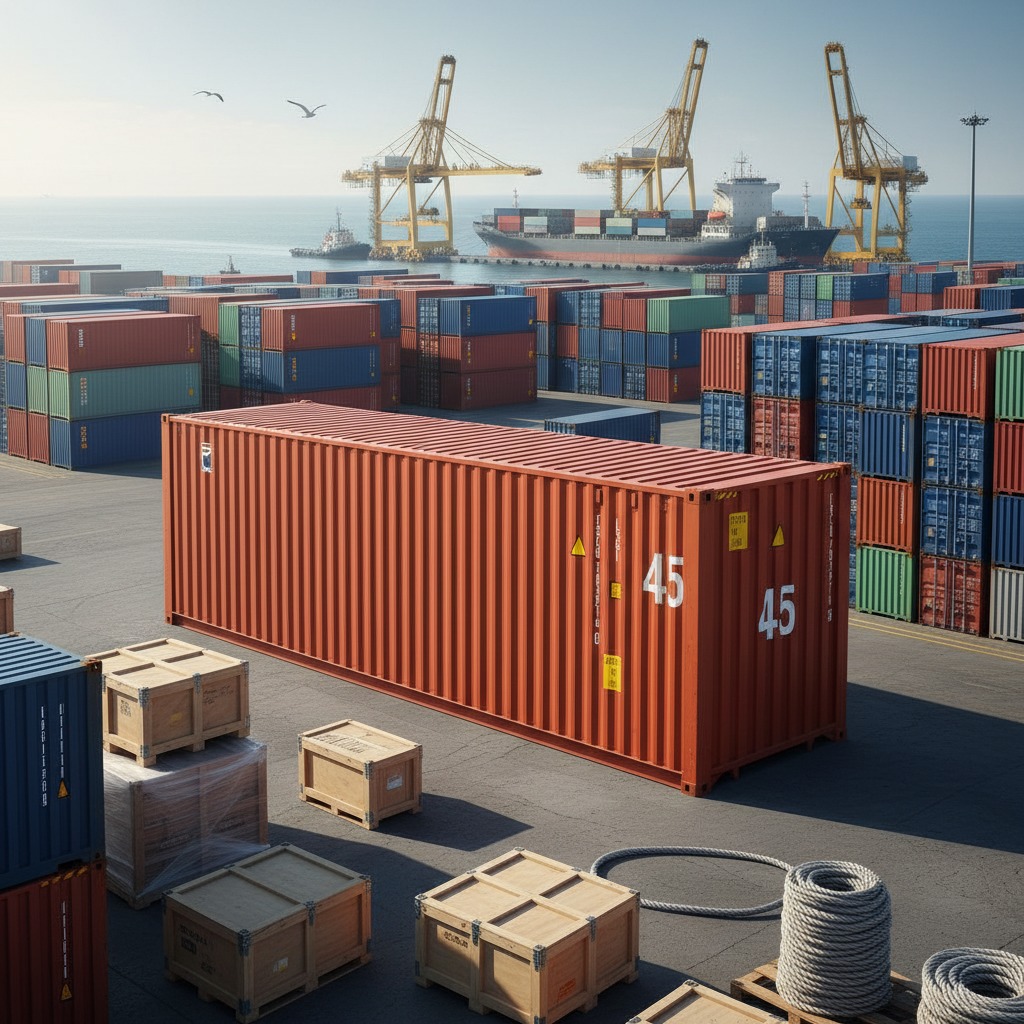
The world of industrial processing relies heavily on durable and efficient equipment, and shipping container components play a pivotal role in creating robust structures for storage and operations. At Changyuan, we specialize in powder processing solutions, including mixers, dryers, and conveyors, all designed to meet GMP standards. These shipping container components, such as steel container parts, container wall panels, and container roofing solutions, can be integrated into custom setups for our drying and mixing systems, ensuring reliability in harsh environments.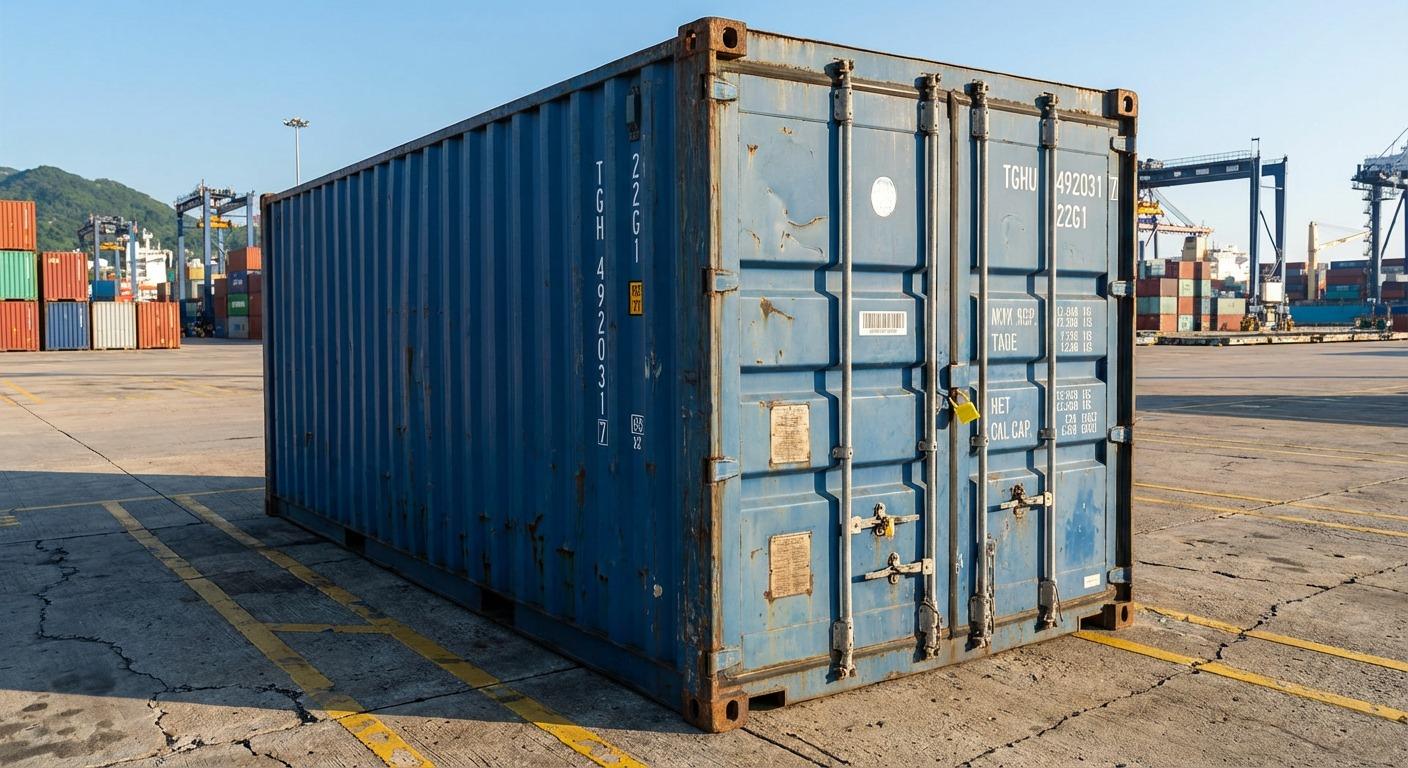
Key Features of Steel Container Parts
Steel container parts form the backbone of any shipping container, providing the strength needed for heavy-duty industrial use. Made from high-strength corten steel, these parts offer exceptional resistance to corrosion and weathering, making them ideal for outdoor powder processing facilities. Our company, with its advanced workshop and skilled engineers, incorporates steel container parts into modular designs that support our range of crushers and granulators. For instance, the robust framing in these parts allows for seamless stacking and transport of equipment like vibrating screens, reducing downtime and enhancing operational efficiency. By selecting quality steel container parts, businesses can achieve long-term durability without frequent replacements, aligning with our commitment to high-quality, GMP-certified products.
Benefits of Container Wall Panels in Modular Construction
Container wall panels are essential shipping container components that provide both structural integrity and insulation for industrial enclosures. These panels, often crafted from galvanized steel, protect sensitive machinery such as our dust collectors from environmental factors like moisture and dust—common challenges in powder handling. We leverage container wall panels in our custom conveyor systems to create weather-resistant units that maintain product purity during drying processes. Their lightweight yet sturdy design facilitates easy assembly, allowing for quick deployment in temporary or permanent setups. Moreover, the panels' corrugated profile enhances load-bearing capacity, ensuring that integrated equipment operates smoothly even under varying loads. Investing in reliable container wall panels not only safeguards your operations but also optimizes space in logistics-heavy industries.
Exploring Container Roofing Solutions for Protection and Versatility
Container roofing solutions complete the shipping container components by offering superior protection against the elements, crucial for maintaining the performance of drying equipment. High-performance options, like those made from weather-resistant metal, prevent leaks and temperature fluctuations that could affect powder granulation or mixing quality. Our engineers recommend these solutions for roof-mounted installations of our advanced dryers, ensuring consistent airflow and energy efficiency. The sleek design of modern container roofing solutions also allows for aesthetic integration into industrial sites, while their low-maintenance nature reduces long-term costs. Whether used in sea freight adaptations or stationary processing plants, these components enhance overall system reliability, supporting our goal of delivering comprehensive, innovative powder processing solutions.
Integrating Shipping Container Components with Modern Processing Needs
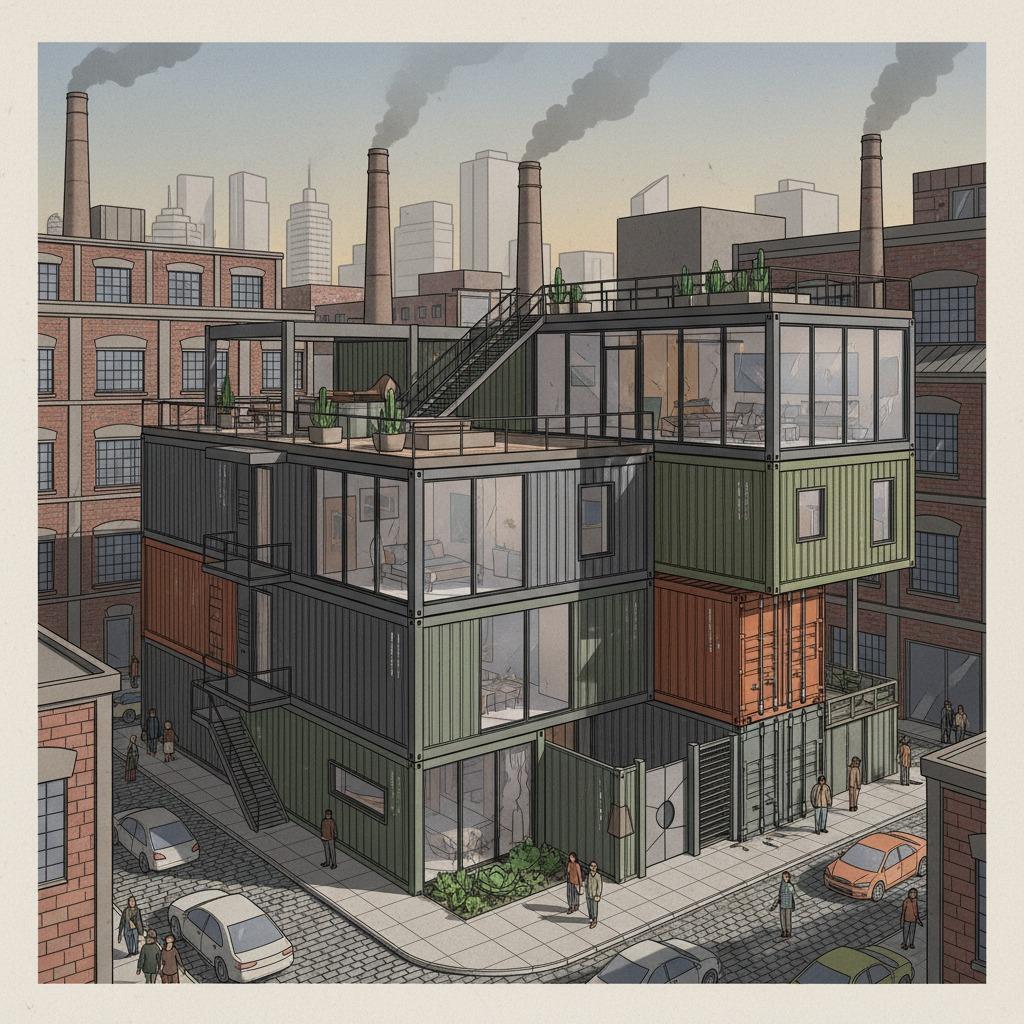
In today's fast-paced industrial landscape, combining shipping container components with specialized equipment like our GMP-compliant mixers and conveyors unlocks new levels of efficiency. Steel container parts provide the foundational strength, while container wall panels and container roofing solutions add layers of protection and customization. This modular approach, championed by Changyuan allows businesses to scale operations without compromising on quality or safety. For example, our clients in the pharmaceutical and food sectors use these components to build enclosed environments that meet strict hygiene standards, preventing contamination in drying and crushing processes. The versatility of these elements also supports sustainable practices by enabling reusable structures that minimize waste. As global trade evolves, selecting top-tier shipping container components ensures that your infrastructure keeps pace with demands for precision and durability in powder processing.
By choosing components that align with our expertise in advanced equipment, companies can transform standard containers into high-performing assets. This integration not only boosts productivity but also reflects a forward-thinking approach to industrial design, where reliability meets innovation.
Frequently Asked Questions (FAQ)
1. What shipping container components are most relevant for industrial processing applications?
The key components include steel container parts (framing and structural elements), container wall panels (providing insulation and protection), and container roofing solutions (weatherproofing and temperature control). These components can be integrated with industrial equipment such as mixers, dryers, conveyors, crushers, and dust collectors to create modular, durable processing environments.
2. What materials are used to manufacture these container components, and why?
-
Steel container parts: Typically made from high-strength corten steel, which offers exceptional resistance to corrosion and weathering, ideal for outdoor or harsh industrial settings.
-
Container wall panels: Often crafted from galvanized steel, providing structural integrity and protection against moisture and dust.
-
Container roofing solutions: Constructed from weather-resistant metal to prevent leaks and temperature fluctuations.
These materials ensure long-term durability, low maintenance, and compatibility with GMP-certified processing equipment.
3. How can shipping container components be integrated with powder processing equipment?
Container components can serve as modular enclosures for equipment such as mixers, dryers, conveyors, crushers, granulators, vibrating screens, and dust collectors. For example:
-
Steel container parts provide foundational strength for stacking and transport.
-
Container wall panels create weather-resistant, insulated units that protect sensitive machinery.
-
Container roofing solutions support roof-mounted dryer installations, ensuring consistent airflow and energy efficiency.
This integration allows for custom, scalable processing facilities that meet hygiene and safety standards.
4. What industries benefit most from using shipping container components in processing?
Industries that require controlled, clean, or weather-resistant environments benefit significantly, including:
-
Pharmaceutical manufacturing: Meeting strict GMP hygiene standards.
-
Food processing: Preventing contamination during drying, mixing, or crushing.
-
Powder handling and granulation: Protecting equipment from moisture and dust.
-
Logistics and bulk material storage: Creating reusable, modular structures.
These components enable companies to build enclosed, scalable systems without compromising on quality or safety.
5. Are container wall panels suitable for temperature-sensitive processing?
Yes. Container wall panels, especially those made from galvanized steel with proper insulation, help maintain stable internal temperatures. This is crucial for processes such as drying, powder granulation, or mixing where temperature fluctuations could affect product quality. When combined with container roofing solutions, they create a controlled environment that supports consistent equipment performance.
6. How do container roofing solutions enhance the performance of drying equipment?
High-quality container roofing solutions prevent leaks and reduce temperature fluctuations, which directly impacts the efficiency of roof-mounted or enclosure-based drying systems. By maintaining consistent airflow and protecting against rain, snow, or direct sunlight, these roofing components help dryers operate at optimal energy efficiency, improving product quality and reducing operational costs.
7. What are the maintenance requirements for shipping container components in industrial use?
Steel container parts and wall panels require periodic inspections for corrosion, especially in coastal or high-humidity environments. Container roofing solutions should be checked for seal integrity and debris buildup. However, due to their corrosion-resistant materials (corten steel, galvanized steel, weather-resistant metal), these components are low-maintenance compared to traditional construction. Regular cleaning and prompt repair of any damage will extend their service life significantly.
8. Can shipping container components be customized for specific processing needs?
Absolutely. These components are highly customizable:
-
Steel container parts: Can be modified for specific load requirements or equipment mounting points.
-
Container wall panels: Available in different thicknesses and insulation levels to suit temperature or hygiene needs.
-
Container roofing solutions: Can be adapted for roof-mounted equipment, ventilation systems, or specialized weatherproofing.
When integrated with GMP-compliant equipment from manufacturers like Changyuan, container components can be tailored to meet pharmaceutical, food, or chemical processing standards, enabling scalable and reusable industrial solutions.