
Discovering the Appeal of Container Homes
Container homes represent a revolutionary approach to modern living, blending affordability, sustainability, and innovative design into one compact package. As urban spaces grow denser and traditional housing costs soar, container homes have emerged as a viable alternative for those seeking eco-friendly and customizable residences. This trend taps into the repurposing of shipping containers, transforming industrial relics into stylish dwellings that align with contemporary lifestyles.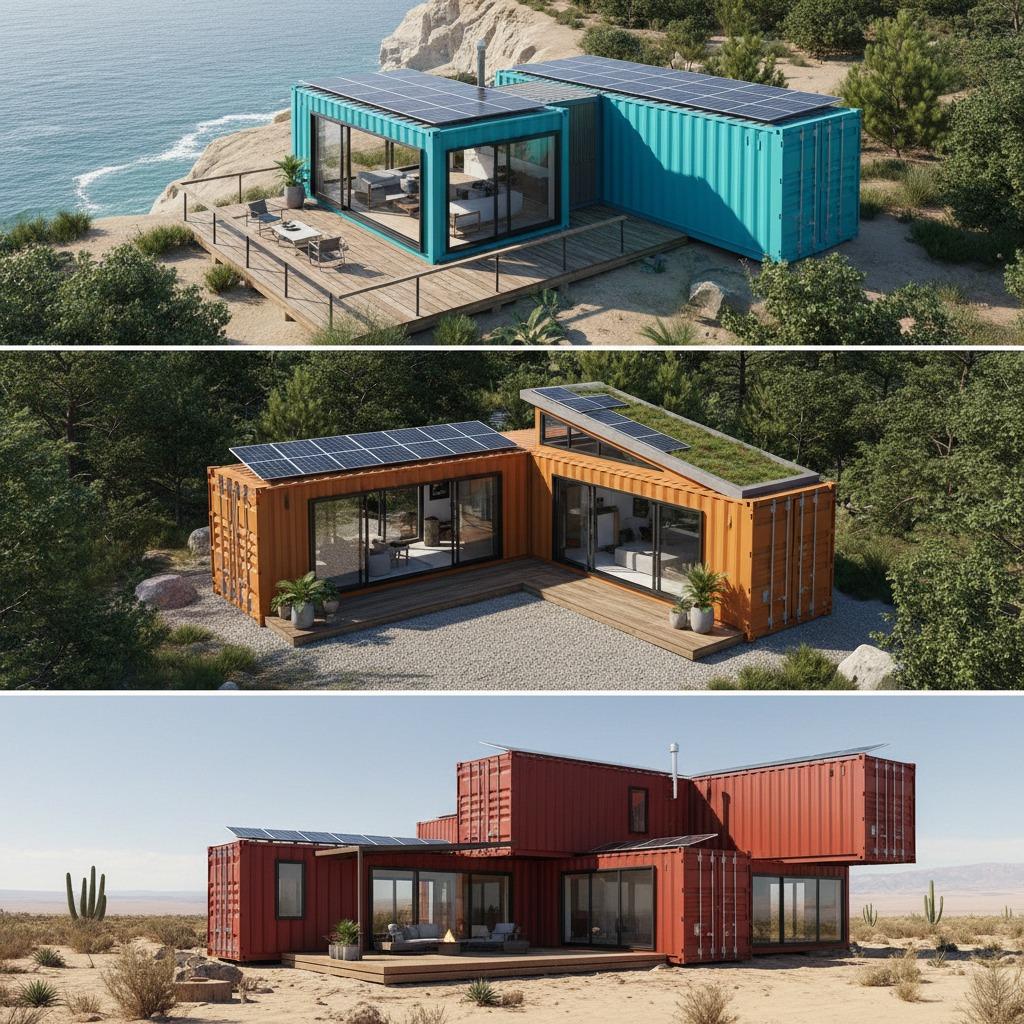
Exploring Floor Plans for Container Homes
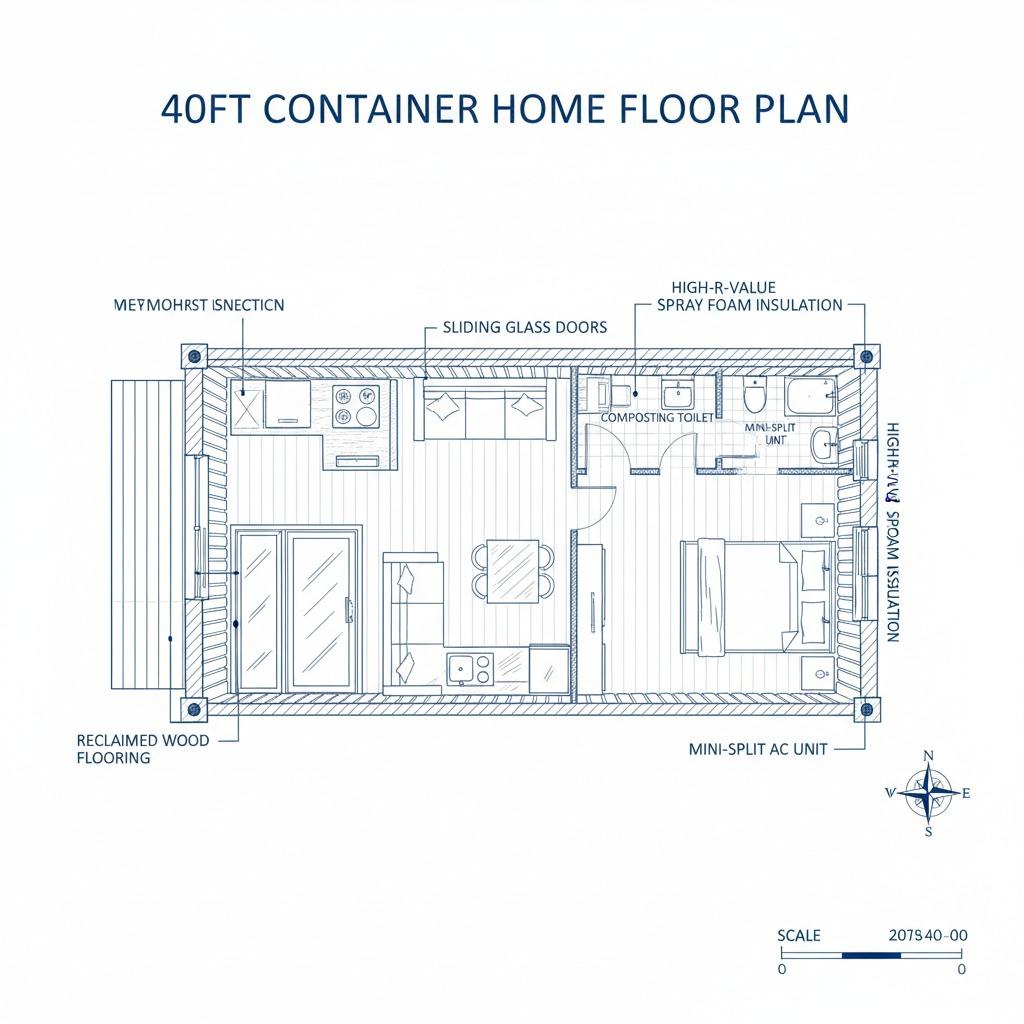
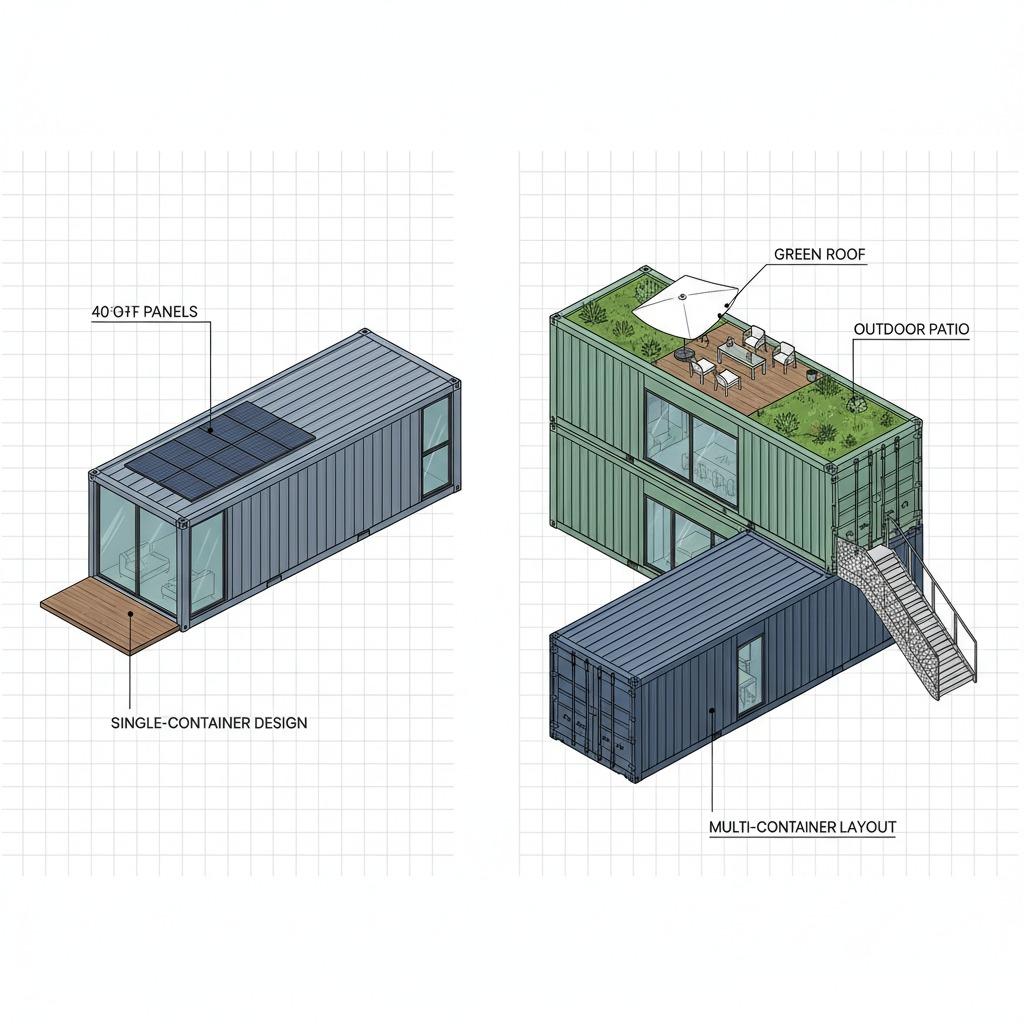
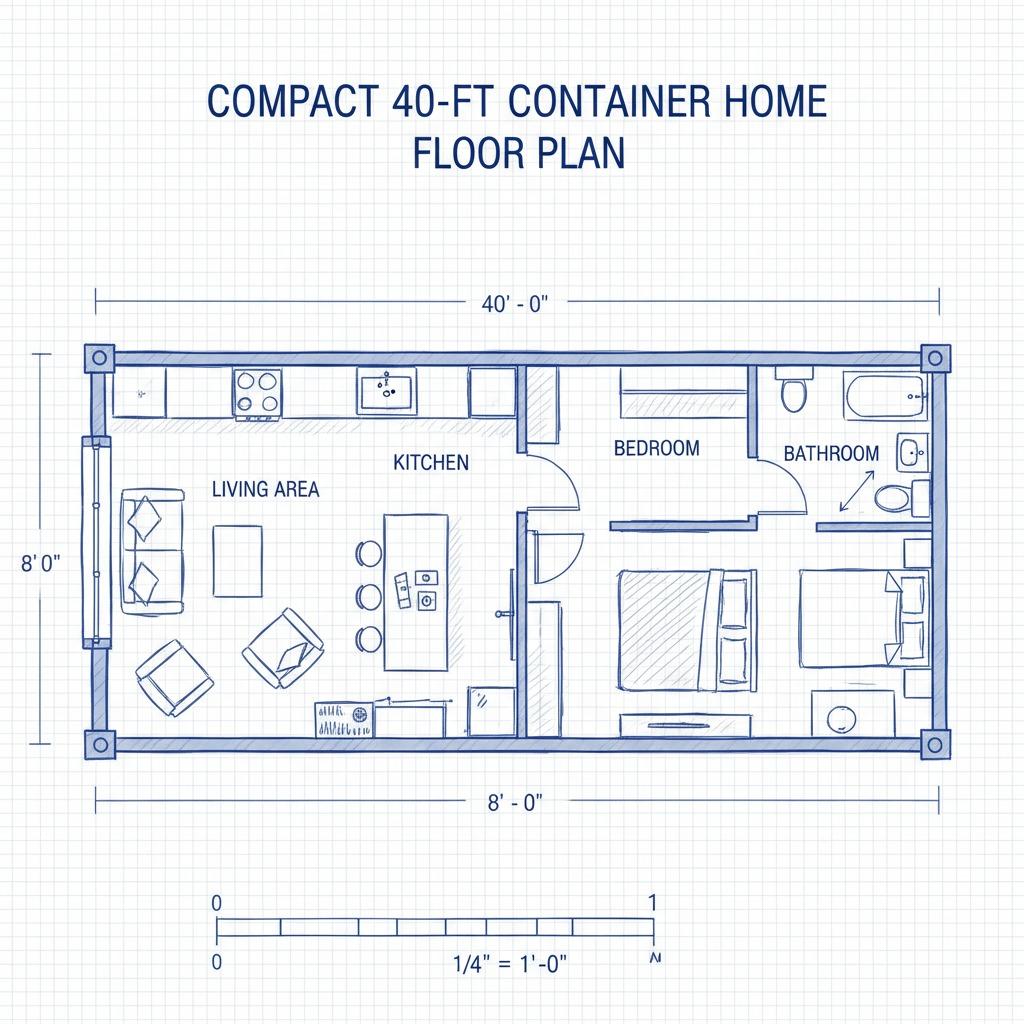
Floor plans are the blueprint of any successful container home project, dictating how space is utilized within the limited footprint of a shipping container. Typically measuring 20 or 40 feet in length, these structures demand creative floor plans to maximize comfort and functionality. For a single container home, a basic floor plan might include an open-concept living area that flows into a compact kitchen and a cozy bedroom, ensuring efficient use of every square foot. Multi-container setups allow for more expansive designs, such as L-shaped or stacked configurations that create separate zones for living, dining, and relaxation. When designing floor plans, it's essential to consider natural light sources, ventilation, and insulation to combat the steel's natural heat retention. Many enthusiasts start with simple one-bedroom floor plans for starter homes, evolving to two- or three-bedroom layouts as needs expand. These adaptable floor plans not only fit various budgets but also allow for personalization, from minimalist Scandinavian styles to rustic industrial vibes.
Innovative Shipping Container House Designs
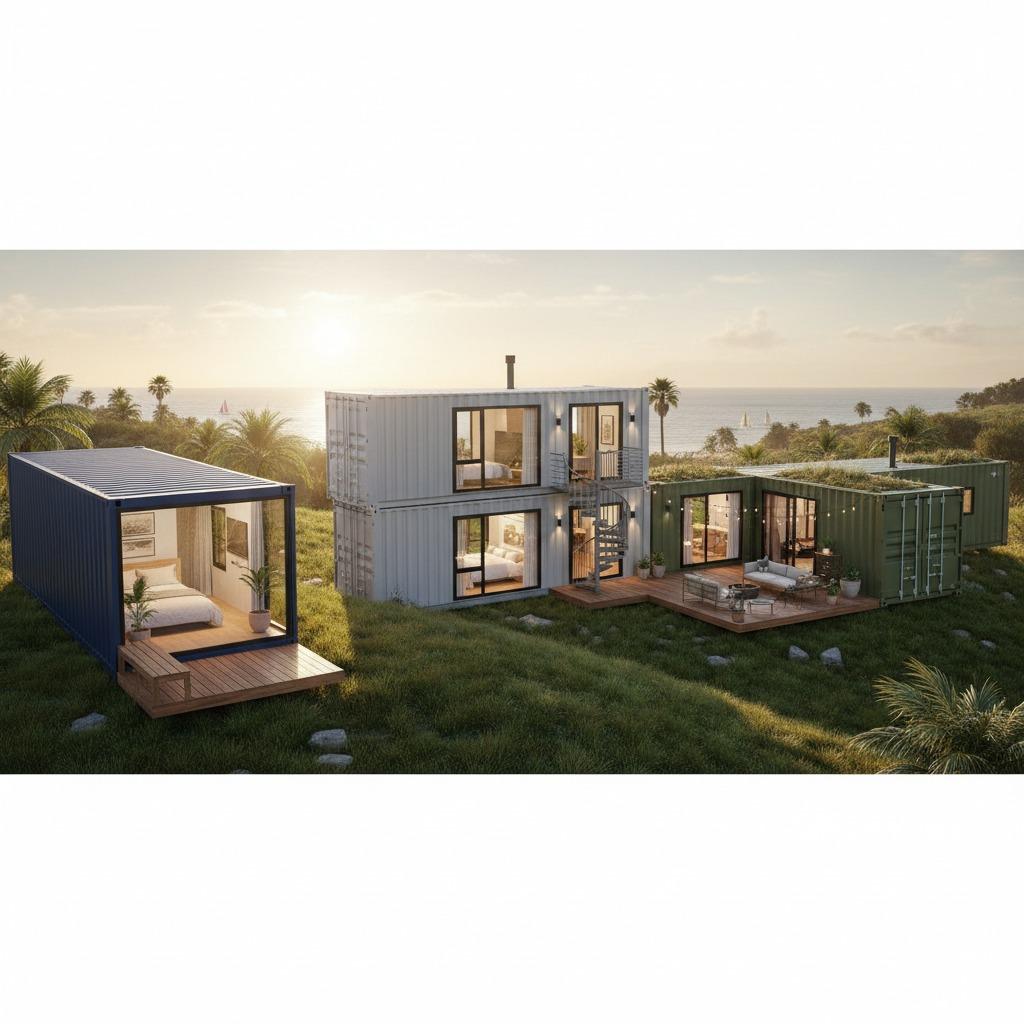
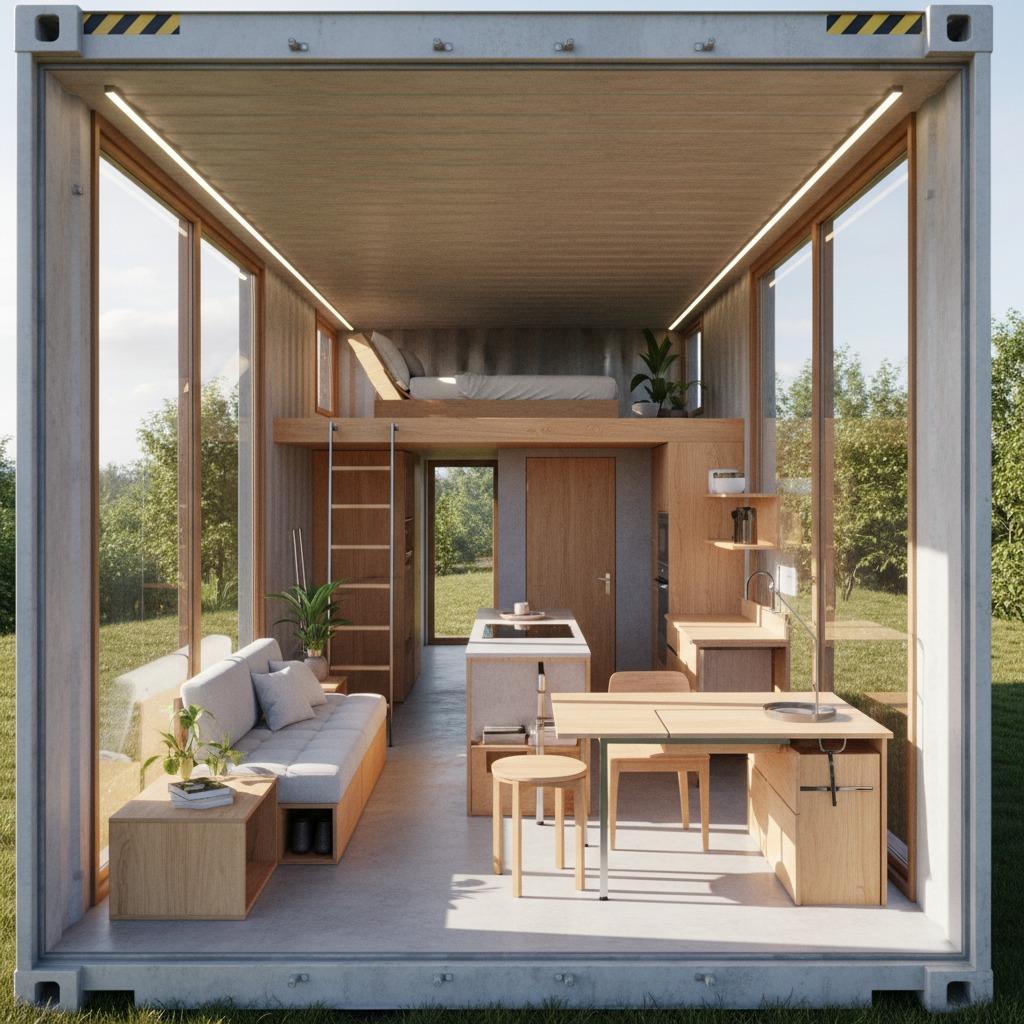
Shipping container house designs showcase the boundless creativity possible with this medium, turning what was once mere cargo carriers into architectural marvels. These designs often emphasize modularity, enabling homeowners to connect multiple containers side by side or atop one another to form larger homes. For instance, a popular shipping container house design might feature large sliding glass doors that open up the interior to outdoor patios, blurring the lines between inside and out. Sustainability is at the heart of many designs, incorporating solar panels, rainwater harvesting systems, and energy-efficient windows to minimize environmental impact. Aesthetic enhancements like colorful exteriors—think vibrant teal, orange, red, or blue panels—add a pop of personality while protecting against the elements. Inside, shipping container house designs can include lofted sleeping areas to save floor space or built-in storage solutions that leverage the container's sturdy walls. From coastal retreats to urban tiny homes, these designs cater to diverse climates and preferences, proving that functionality need not sacrifice style.
Customizing Your Container House Plans
Container house plans offer a flexible framework for tailoring your dream home to specific needs, whether you're a solo adventurer or a growing family. Starting with a core container, plans can be expanded by adding modular sections, each serving a distinct purpose like a home office or guest suite. Key elements in effective container house plans include strategic placement of utilities—plumbing and electrical routed through the container's frame without compromising structural integrity. Ventilation is crucial, often achieved through strategically placed vents or HVAC systems to maintain comfortable indoor temperatures year-round. Budget-conscious builders appreciate how container house plans reduce material costs, as the steel shell provides a ready-made foundation. Consulting with architects specializing in modular builds ensures that your plans comply with local building codes and zoning laws, which vary by region. For those inspired by innovative products like the Multicolor Modular Shipping Container, incorporating weather-resistant, stackable units in bold hues can elevate the visual appeal while enhancing durability. These plans not only promote efficient land use but also foster a sense of community among eco-minded homeowners sharing design tips online.
The Benefits of Building with Container Homes
Opting for container homes brings a host of advantages that extend beyond mere cost savings. Their portability allows for relocation if life circumstances change, a feature not easily matched by conventional builds. Environmentally, container homes reduce waste by repurposing materials that might otherwise languish in scrapyards, aligning with global sustainability goals. The construction timeline is remarkably short—often just weeks compared to months for stick-built houses—making them ideal for quick-move-in scenarios. Moreover, the inherent strength of shipping containers offers superior resilience against natural disasters like hurricanes or earthquakes. Integrating smart home technology into container homes further amplifies their modern appeal, with automated lighting and security systems fitting seamlessly into the compact layout. Families find that well-thought-out floor plans in container homes can surprisingly accommodate spacious interiors, complete with home gyms or hobby rooms. As interest in sustainable living grows, container homes are gaining traction in suburban and rural areas alike, proving that innovative housing doesn't require sacrificing comfort or convenience.
Tips for Designing Your Ideal Container Home
Embarking on a container home project requires thoughtful planning to ensure long-term satisfaction. Begin by assessing your site: level ground and access to utilities are paramount for seamless integration. When selecting shipping container house designs, prioritize those with corrosion-resistant coatings to withstand local weather patterns. Experimenting with floor plans using software tools can help visualize layouts before committing to cuts or modifications. It's advisable to insulate walls thoroughly—using spray foam or rigid panels—to create a cozy, energy-efficient interior. Ventilation and moisture control are non-negotiable; dehumidifiers and proper sealing prevent condensation issues common in steel structures. For a touch of flair, draw from products like the Multicolor Modular Shipping Container, which offer customizable colors and layouts for both residential and commercial uses. Engaging a contractor experienced in modular construction can streamline the process, from permitting to final finishes. Ultimately, container house plans should reflect your lifestyle, balancing openness with privacy in a way that feels uniquely yours. With careful design, your container home can become a testament to ingenuity and environmental stewardship, inspiring others to explore this exciting housing frontier.
Future Trends in Container Homes
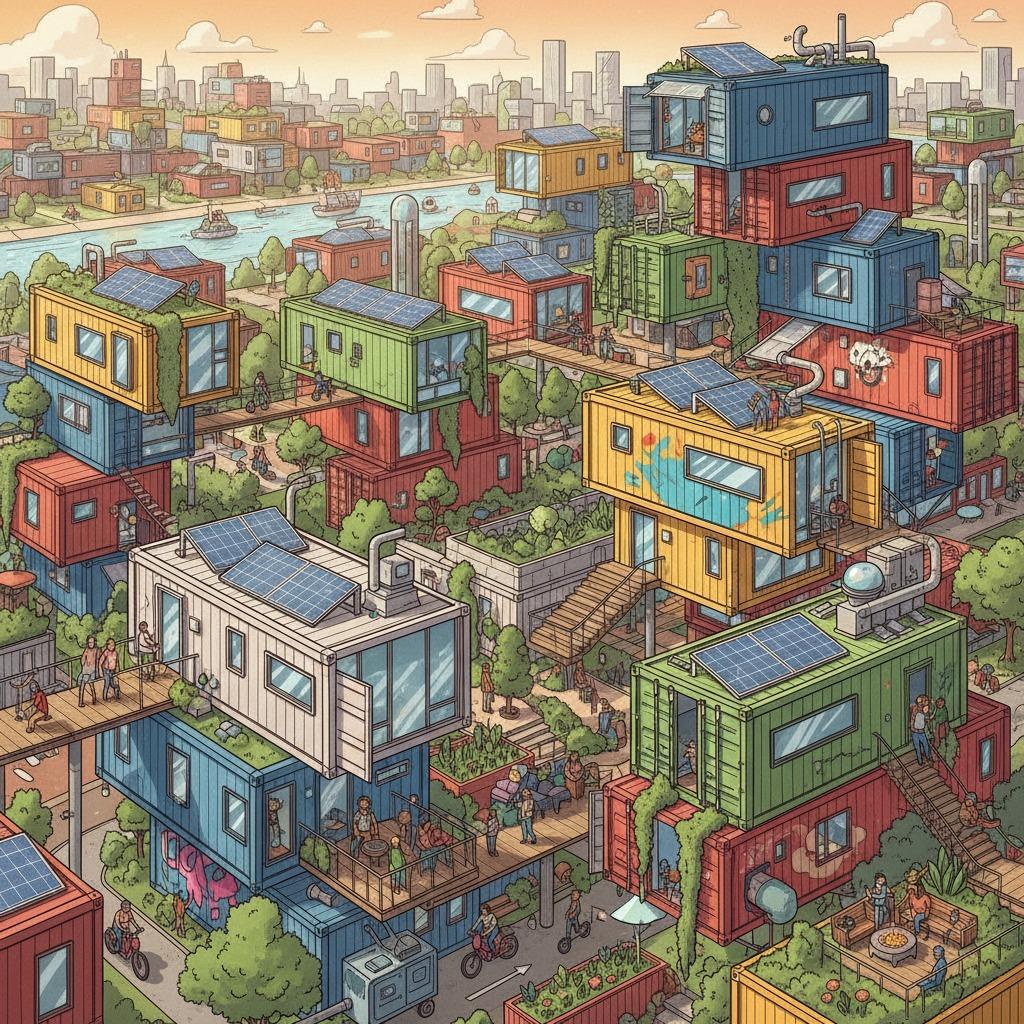
Looking ahead, container homes are poised for even greater innovation, driven by advancements in materials and technology. Expect to see more hybrid designs that combine containers with traditional elements for expanded living spaces. Smart integrations, such as AI-driven energy management, will optimize container homes for off-grid living. As urbanization continues, shipping container house designs will play a key role in affordable housing initiatives, with governments potentially incentivizing modular builds. The rise of colorful, versatile units underscores a shift toward visually dynamic architecture that enhances community aesthetics. With their scalability and eco-friendliness, container homes are not just a trend but a sustainable solution shaping the future of habitation.