
Discover the Versatility of the Shipping Container in Modern Logistics and Living

In today's fast-paced world, the shipping container stands as a cornerstone of global trade and innovative architecture. This robust unit, often overlooked as mere cargo carriers, has revolutionized how we transport goods and even reimagine living spaces. Whether you're involved in international commerce or exploring sustainable housing options, understanding the shipping container's multifaceted role can transform your operations and lifestyle.
The Essentials of Container Shipping: Efficiency and Reliability
Container shipping forms the backbone of modern logistics, enabling seamless movement of goods across oceans and continents. A prime example is the 45-foot high cube shipping container, which offers enhanced vertical space to maximize load capacity for taller items like machinery or bulk packaging. Crafted from durable corten steel, this shipping container withstands harsh weather, from salty sea sprays to extreme temperatures, ensuring your cargo arrives intact. The vivid ochre hue not only aids in quick identification at ports but also adds a professional aesthetic to your fleet. With secure locking mechanisms, it provides peace of mind during transit, making container shipping a preferred choice for businesses scaling up their operations. In fact, the global container shipping industry handles over 200 million containers annually, underscoring its indispensable role in supply chains.
Beyond basic transport, container shipping has evolved to incorporate smart technologies. GPS tracking and IoT sensors integrated into these units allow real-time monitoring, reducing delays and losses. For industries like retail and manufacturing, opting for a high cube shipping container means optimizing space—its extra height can accommodate up to 30% more volume compared to standard models. This efficiency translates to cost savings, as fewer containers are needed for the same shipment volume. Moreover, the standardized design of the shipping container facilitates easy stacking and transfer at ports, streamlining the entire logistics process from warehouse to destination.
Transforming Shipping Containers into Innovative Container Homes
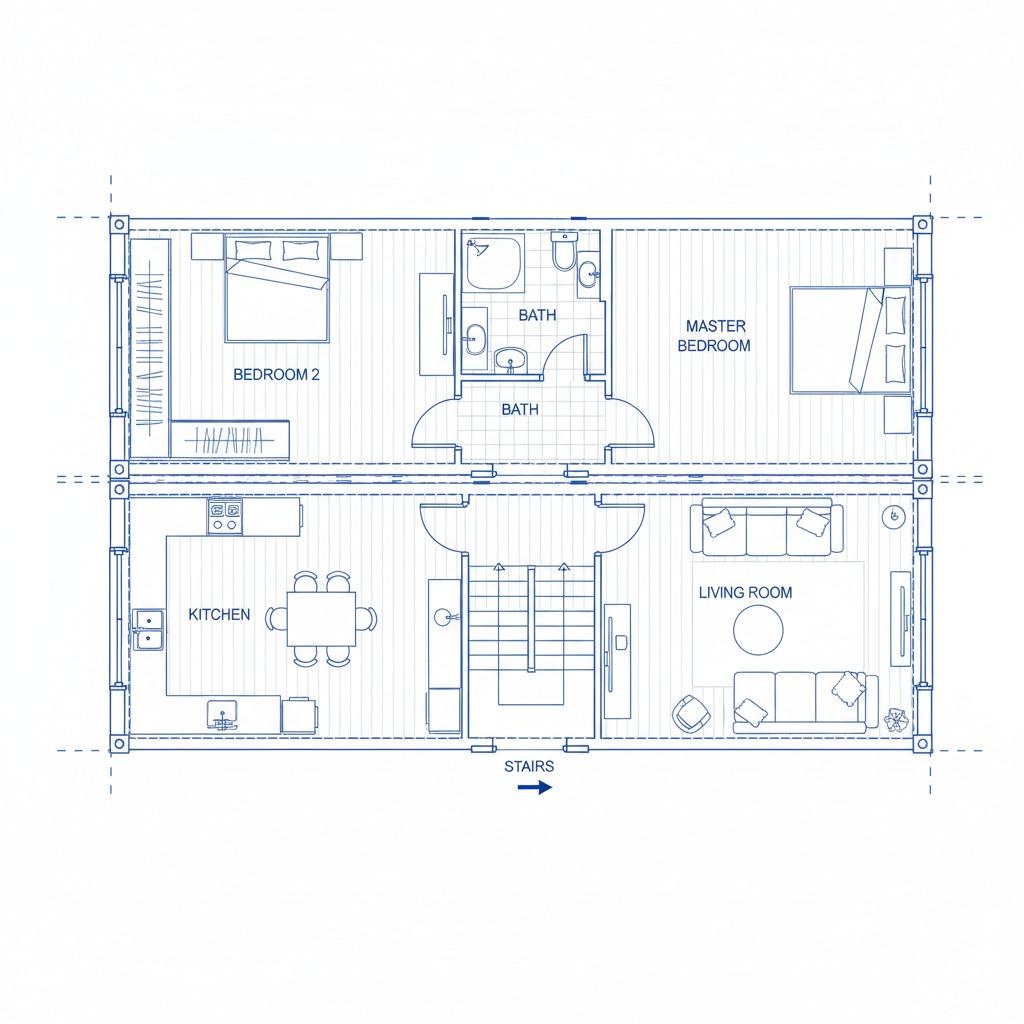
What was once solely a tool for container shipping has now inspired a wave of creativity in residential design: container homes. These eco-friendly dwellings repurpose retired shipping containers into stylish, affordable housing solutions. Imagine converting a 45-foot high cube shipping container into a spacious two-bedroom home, leveraging its extra height for lofted ceilings and ample natural light through added windows. The inherent strength of the corten steel structure makes it resistant to elements, ideal for off-grid locations or urban tiny homes. With minimal modifications, a shipping container can be insulated, wired for electricity, and plumbed for modern living, all while retaining its modular appeal.
The rise of container homes aligns with sustainability trends, as reusing these units diverts them from landfills—over 700,000 shipping containers are discarded yearly, presenting a treasure trove for builders. Customization options are endless: stack multiple containers for multi-level homes or paint them in vibrant colors to match personal tastes. A high cube model, with its superior capacity, allows for open-plan interiors, integrating kitchens, living areas, and even home offices. Costs are significantly lower than traditional construction; a basic container home can be built for under $50,000, appealing to millennials seeking minimalist lifestyles. Moreover, the portability of a shipping container home means it can be relocated if needed, offering flexibility in an ever-changing world.
Building a container home starts with selecting the right shipping container. Inspect for structural integrity, free from rust or dents that could compromise safety. Professional welding and sealing ensure weatherproofing, while interior finishes like bamboo flooring add warmth. Energy-efficient features, such as solar panels on the roof, enhance sustainability. Communities worldwide, from shipping container villages in Europe to luxury eco-resorts in Australia, showcase how this simple unit can foster innovative living. For those new to the concept, starting small with a single shipping container as a studio space builds confidence before expanding.
Why Choose a 45-Foot High Cube Shipping Container for Your Needs
When it comes to selecting a shipping container, the 45-foot high cube variant stands out for its balance of size and versatility. Its impressive length accommodates large shipments, while the added height prevents the common issue of vertical space constraints in standard 40-foot units. The robust construction, marked clearly with '45' for easy tracking, ensures reliability in demanding environments like construction sites or overseas exports. In container shipping scenarios, this model reduces the need for multiple smaller units, cutting down on fuel costs and emissions. For container homes, it provides a canvas large enough for family-sized living without sacrificing the compact footprint that appeals to urban dwellers.
Security is paramount, and the easy-to-secure locks on this shipping container deter theft and tampering during storage or transit. Businesses benefit from its weather-resistant properties, protecting inventory from rain, humidity, or UV exposure. In the realm of container homes, the high cube design allows for creative vertical storage solutions, like built-in shelving or mezzanines, maximizing every square foot. As global trade booms, investing in such a shipping container not only meets current demands but future-proofs your logistics strategy. Whether for commercial hauling or personal projects, its adaptability makes it a smart choice.
Sustainable Practices and Future Trends in Shipping Containers
Sustainability drives the next era of shipping containers, with innovations focusing on eco-friendly materials and reduced carbon footprints. Recycled steel in new containers lowers production emissions, while modular designs promote longevity—many units last over 25 years before repurposing. In container shipping, companies are adopting electric cranes and biofuels to green their operations. For container homes, the trend leans toward zero-waste builds, incorporating rainwater harvesting and passive solar heating. Governments worldwide incentivize these practices through tax breaks, recognizing shipping containers as key to circular economies.
Looking ahead, advancements like 3D-printed modifications for shipping containers could revolutionize customization, making container homes even more accessible. In logistics, blockchain integration promises transparent tracking, enhancing trust in container shipping networks. As urbanization accelerates, the dual role of the shipping container in transport and housing will only grow, offering practical solutions to pressing challenges like housing shortages and supply chain disruptions. Embracing this versatile asset means aligning with a future that's efficient, sustainable, and innovative.
In summary, the shipping container transcends its origins, powering global commerce through container shipping and inspiring architectural ingenuity with container homes. From the durable 45-foot high cube model to broader applications, its impact is profound and enduring.