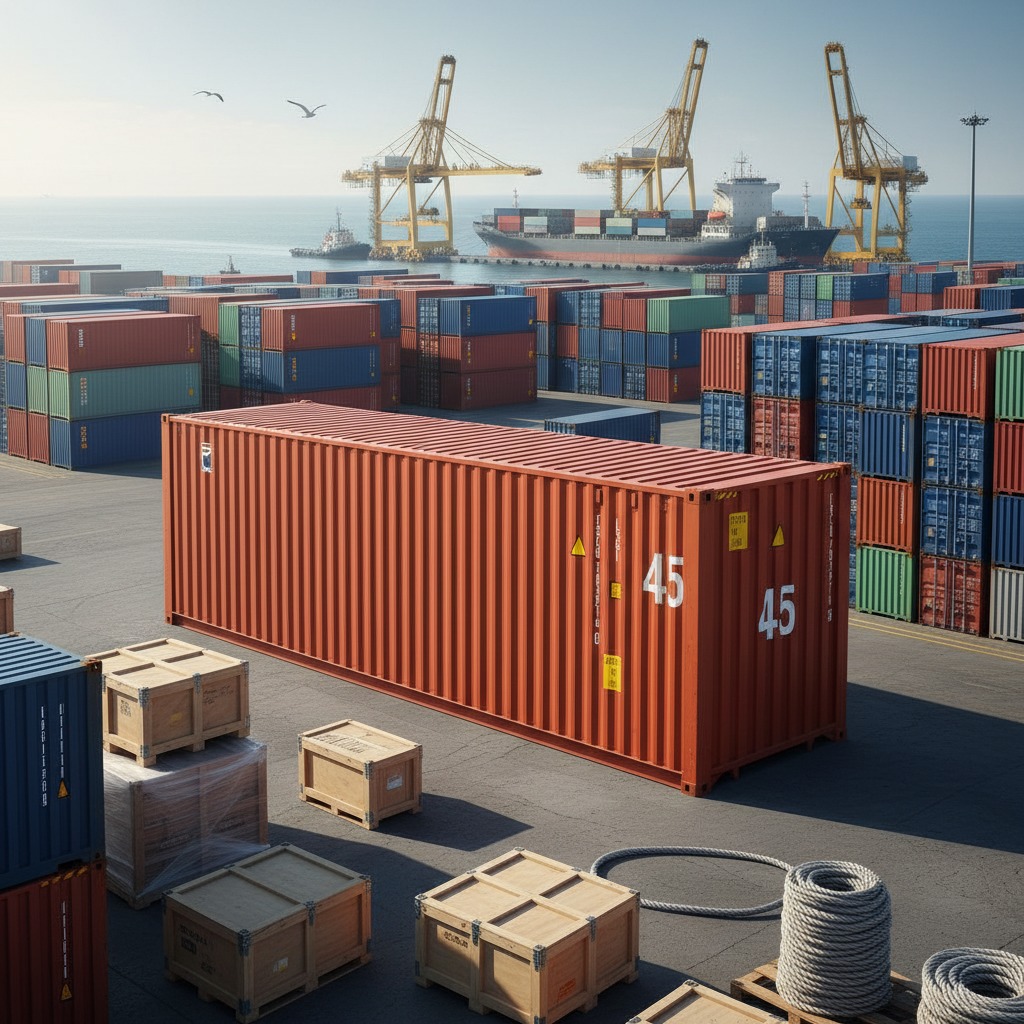

Shipping Container Twistlocks: Essential for Secure Intermodal Transport
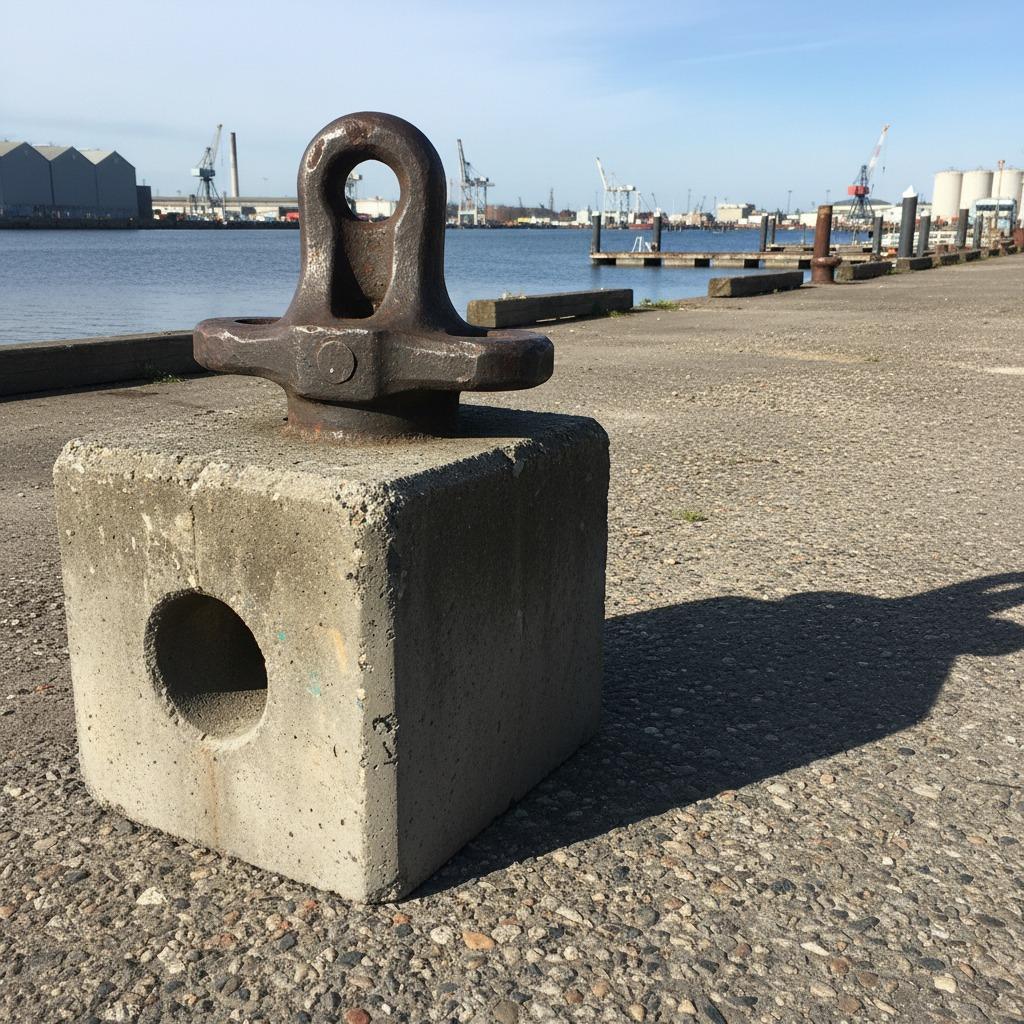
Shipping container twistlocks are fundamental components in the world of logistics and maritime shipping, ensuring that containers remain securely fastened during transit. These devices, often integrated into corner castings, provide the critical locking mechanism that prevents containers from shifting or detaching under the stresses of sea voyages, rail transport, or truck hauls. As global trade continues to expand, the reliability of shipping container twistlocks has become more vital than ever, allowing for efficient stacking and alignment of intermodal containers across various modes of transportation. Understanding their design and functionality can help shipping operators optimize safety and reduce risks associated with cargo movement.
The Role of Container Twistlocks in Modern Shipping
Container twistlocks represent a pinnacle of engineering precision, designed specifically to engage with the standardized corner fittings of ISO shipping containers. These locks insert into the oval openings of corner castings, twisting to secure a firm hold that withstands vertical and horizontal forces. In intermodal shipping, where containers are transferred between ships, trains, and trucks, container twistlocks ensure seamless connections, minimizing downtime and enhancing overall operational efficiency. Their ability to handle heavy loads without failure makes them indispensable for ports and logistics hubs worldwide. Beyond basic security, these devices contribute to the structural integrity of container stacks, which can reach several units high on cargo vessels.
The evolution of container twistlocks has seen advancements in materials and design, moving from basic manual locks to more sophisticated systems that incorporate safety features like automatic release mechanisms. For instance, heavy-duty variants are built to endure extreme conditions, including corrosive saltwater exposure and intense vibrations from rough seas. This durability not only extends the lifespan of the equipment but also reduces maintenance costs for shipping companies. When selecting container twistlocks, factors such as load capacity, ease of installation, and compatibility with existing corner fittings are crucial. Proper usage involves regular inspections to detect wear and tear, ensuring that each lock performs at its peak during critical transport phases.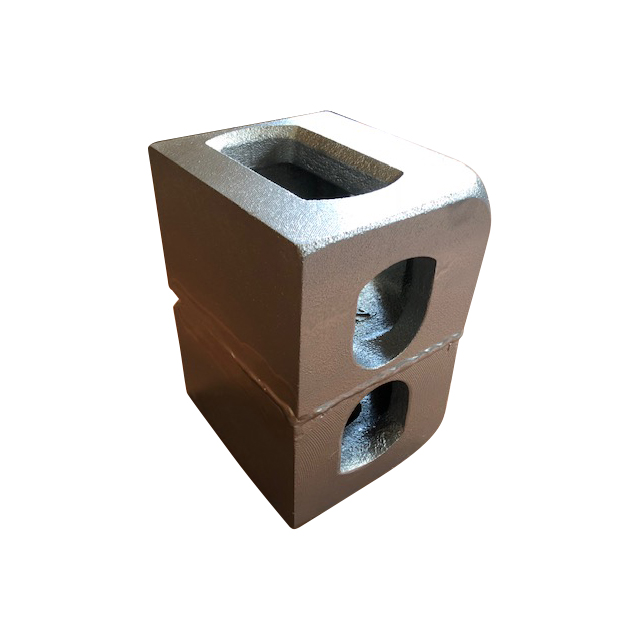
Understanding Twistlock Systems for Enhanced Cargo Security
Twistlock systems encompass a broader array of components that work in tandem to secure shipping containers, including both the locking device and its anchoring points. A key element within these systems is the double-ended twistlock, which features locking mechanisms on both sides, allowing it to connect two containers simultaneously. This design is particularly useful in stacked configurations, where stability is paramount to prevent accidents during loading and unloading. Twistlock systems are engineered with lockable pivots that resist unauthorized release, adding an extra layer of security against theft or tampering while in transit.
In practice, twistlock systems integrate seamlessly with corner castings, forming a robust framework that supports the weight of multiple containers. For example, during crane operations at a busy port, these systems ensure that containers remain aligned and stable, even as they are lifted to impressive heights. The precision in their construction means that even minor misalignments can be avoided, which is essential for maintaining the balance of an entire vessel's cargo. Moreover, modern twistlock systems often include features like color-coding for quick identification and ergonomic handles for faster manual operation, streamlining workflows for deck crews and terminal workers. As environmental regulations tighten, many systems now use eco-friendly, corrosion-resistant alloys that do not compromise on strength, aligning with sustainable shipping practices.
The versatility of twistlock systems extends to various container types, from standard 20-foot and 40-foot dry freight units to refrigerated or open-top variants. In high-volume shipping routes, such as those across the Pacific or Atlantic, these systems prove their worth by handling the repetitive stresses of frequent connections and disconnections. Training programs for shipping personnel emphasize the correct application of twistlock systems to avoid common pitfalls, like incomplete twists that could lead to failures. By investing in high-quality twistlock systems, operators not only safeguard their cargo but also comply with international safety standards set by organizations like the International Maritime Organization (IMO).
Heavy-Duty Container Twistlocks: Built for Demanding Environments
Heavy-duty container twistlocks are specialized versions designed for the most rigorous applications, where standard locks might falter under extreme pressures. Constructed from high-strength, forged steel or advanced composites, these twistlocks can support loads exceeding 30 tons per connection point, making them ideal for oversized or hazardous material containers. Their robust build includes reinforced housings that protect against impacts from loading equipment, ensuring longevity in abrasive port environments. In regions with harsh weather, such as arctic shipping lanes or tropical ports prone to storms, heavy-duty container twistlocks provide the resilience needed to maintain operations without interruption.
One standout feature of heavy-duty container twistlocks is their enhanced gripping mechanism, which uses conical pins that expand upon twisting to create a vice-like hold within the corner casting. This innovation reduces the risk of slippage during sudden maneuvers, such as evasive actions by vessels in congested waterways. Additionally, these twistlocks often incorporate visual indicators that show when a secure lock has been achieved, aiding in rapid quality checks during high-pressure loading scenarios. For industries like oil and gas or automotive shipping, where cargo value is high, the peace of mind offered by heavy-duty variants is invaluable, as they minimize the potential for damage that could result in costly delays or insurance claims.
Maintenance of heavy-duty container twistlocks involves routine lubrication and cleaning to prevent buildup of salt or debris, which could impair functionality. Manufacturers recommend compatibility testing with specific container models to ensure optimal performance. As technology advances, some heavy-duty twistlocks now integrate with IoT sensors for real-time monitoring of lock status, allowing remote diagnostics and predictive maintenance. This forward-thinking approach not only boosts efficiency but also aligns with the industry's shift toward smarter, more connected logistics networks. Ultimately, choosing heavy-duty container twistlocks reflects a commitment to safety and reliability in an era of increasingly complex global supply chains.
Integrating Twistlocks with Corner Castings for Optimal Performance
The synergy between shipping container twistlocks and corner castings forms the backbone of secure container handling. Corner castings, those solid blocks at each container corner, are precisely machined to accept twistlocks, featuring standardized dimensions that promote interoperability across different manufacturers. The oval aperture in the casting allows for easy insertion and rotation of the twistlock, creating a connection that can endure tensile forces up to the container's maximum gross weight. This integration is crucial for stacking, where multiple castings align to form a stable tower, supported by twistlocks at each interface.
In double-ended configurations, the twistlock bridges two corner castings, distributing loads evenly and preventing localized stress points. This setup is common in vessel holds, where space constraints demand compact yet powerful securing methods. Precision engineering ensures that tolerances are minimal, reducing play that could lead to vibrations and wear over long hauls. For operators, understanding the interplay between these components means better planning for container configurations, whether for bulk commodities or time-sensitive perishables. Regular audits of corner castings and twistlocks help identify early signs of fatigue, such as cracks or deformation, averting potential failures.
As shipping demands grow with e-commerce booms, innovations in twistlock and corner casting designs continue to emerge. Lightweight materials that maintain strength are being explored to reduce overall container weight, improving fuel efficiency for carriers. Meanwhile, automated twistlock systems, operated via hydraulic or pneumatic means, are gaining traction in automated terminals, speeding up turnaround times. These developments underscore the ongoing importance of shipping container twistlocks in fostering a safer, more efficient global trade ecosystem. By prioritizing quality in these essential hardware pieces, the industry can continue to meet the challenges of tomorrow's logistics landscape.
Frequently Asked Questions (FAQ)
1. What is a shipping container twistlock and why is it important?
A shipping container twistlock is a locking device designed to engage with the standardized corner castings of ISO shipping containers. It secures containers during transit by inserting into the oval openings of corner castings and twisting to lock firmly in place. Twistlocks are essential because they prevent containers from shifting, detaching, or collapsing under the stresses of sea voyages, rail transport, or truck hauls, ensuring cargo safety and operational efficiency.
2. What is the difference between a standard twistlock and a double-ended twistlock?
A standard twistlock connects a container to a trailer, chassis, or vessel deck. A double-ended twistlock features locking mechanisms on both ends, allowing it to connect two containers simultaneously—typically in stacked configurations. Double-ended twistlocks are especially useful in vessel holds or rail transport where containers are stacked several units high, as they distribute loads evenly and enhance overall stability.
3. How much weight can heavy-duty container twistlocks support?
Heavy-duty container twistlocks are engineered for demanding applications and can typically support loads exceeding 30 tons (approximately 66,000 pounds) per connection point. Constructed from high-strength forged steel or advanced composites, they are ideal for oversized, heavy, or hazardous material containers. Always verify the specific load rating with the manufacturer, as capacities may vary by design.
4. What materials are used to manufacture twistlocks, and are they corrosion-resistant?
Twistlocks are commonly made from high-strength forged steel, and many modern versions incorporate corrosion-resistant alloys or coatings to withstand harsh environments like saltwater exposure. Heavy-duty variants may also use advanced composites. For marine applications, it is recommended to choose twistlocks with eco-friendly, corrosion-resistant finishes that maintain strength while aligning with sustainable shipping practices.
5. How do I properly maintain and inspect shipping container twistlocks?
Proper maintenance includes:
-
Regular inspections: Check for cracks, deformation, wear, or corrosion before each use.
-
Cleaning: Remove salt, dirt, or debris buildup that could impair functionality.
-
Lubrication: Apply appropriate lubricants to moving parts to ensure smooth operation.
-
Compatibility testing: Verify that twistlocks work properly with your specific container models.
Routine audits help prevent failures and extend equipment lifespan.
6. What are the common applications for different types of twistlocks?
Twistlocks are used across intermodal transport:
-
Maritime shipping: Securing containers on vessel decks and in holds.
-
Rail transport: Locking containers on flatbed rail cars.
-
Trucking: Attaching containers to chassis or trailers.
-
Port and terminal operations: Facilitating stacking and crane lifts.
Double-ended twistlocks are common in stacked configurations, while heavy-duty variants are used for oversized or hazardous cargo.
7. How do twistlocks integrate with corner castings, and why is this important?
Corner castings are the solid blocks at each corner of an ISO shipping container, featuring precisely machined oval apertures. Twistlocks insert into these apertures and twist to lock. This integration creates a secure connection that can endure vertical and horizontal forces up to the container's maximum gross weight. The synergy between twistlocks and corner castings is what enables stable container stacking and safe intermodal transfers.
8. Are there automated or smart twistlock systems available?
Yes. Innovations in twistlock technology include:
-
Automated twistlock systems: Operated via hydraulic or pneumatic mechanisms, speeding up turnaround times in automated terminals.
-
IoT-enabled twistlocks: Integrated with sensors for real-time monitoring of lock status, enabling remote diagnostics and predictive maintenance.
These smart systems are increasingly used in modern logistics networks to improve efficiency, safety, and data visibility.
9. What safety features should I look for in a quality twistlock?
When selecting twistlocks, consider the following safety features:
-
Lockable pivots: Resist unauthorized release, adding security against theft or tampering.
-
Visual indicators: Show when a secure lock has been achieved, aiding rapid quality checks.
-
Ergonomic handles: Allow faster manual operation with reduced risk of incomplete twists.
-
Reinforced housings: Protect against impacts from loading equipment.
-
Conical pins: Expand upon twisting to create a vice-like grip within the corner casting.
10. How do I choose the right twistlock for my shipping operation?
Key factors to consider include:
-
Load capacity requirements: Match the twistlock's rating to your container's maximum gross weight.
-
Environment: Saltwater exposure, extreme temperatures, or abrasive conditions may require heavy-duty or corrosion-resistant models.
-
Container type: Standard dry freight, refrigerated, open-top, or hazardous material containers may have different compatibility needs.
-
Application: Stacking, chassis mounting, or rail transport may require double-ended or standard twistlocks.
-
Compliance: Ensure twistlocks meet international safety standards set by organizations like the International Maritime Organization (IMO).