
Shipping Container House Floor Plans: Innovative Living Solutions
Exploring shipping container house floor plans opens up a world of creative and sustainable home design possibilities. As more people seek affordable and eco-friendly housing options, these repurposed shipping containers are transforming into modern living spaces. In this article, we'll dive into various aspects of container home designs, modular container house plans, and affordable shipping container homes, highlighting how they can suit diverse lifestyles while emphasizing durability and efficiency—qualities that align with robust container construction principles.
Understanding the Basics of Shipping Container House Floor Plans
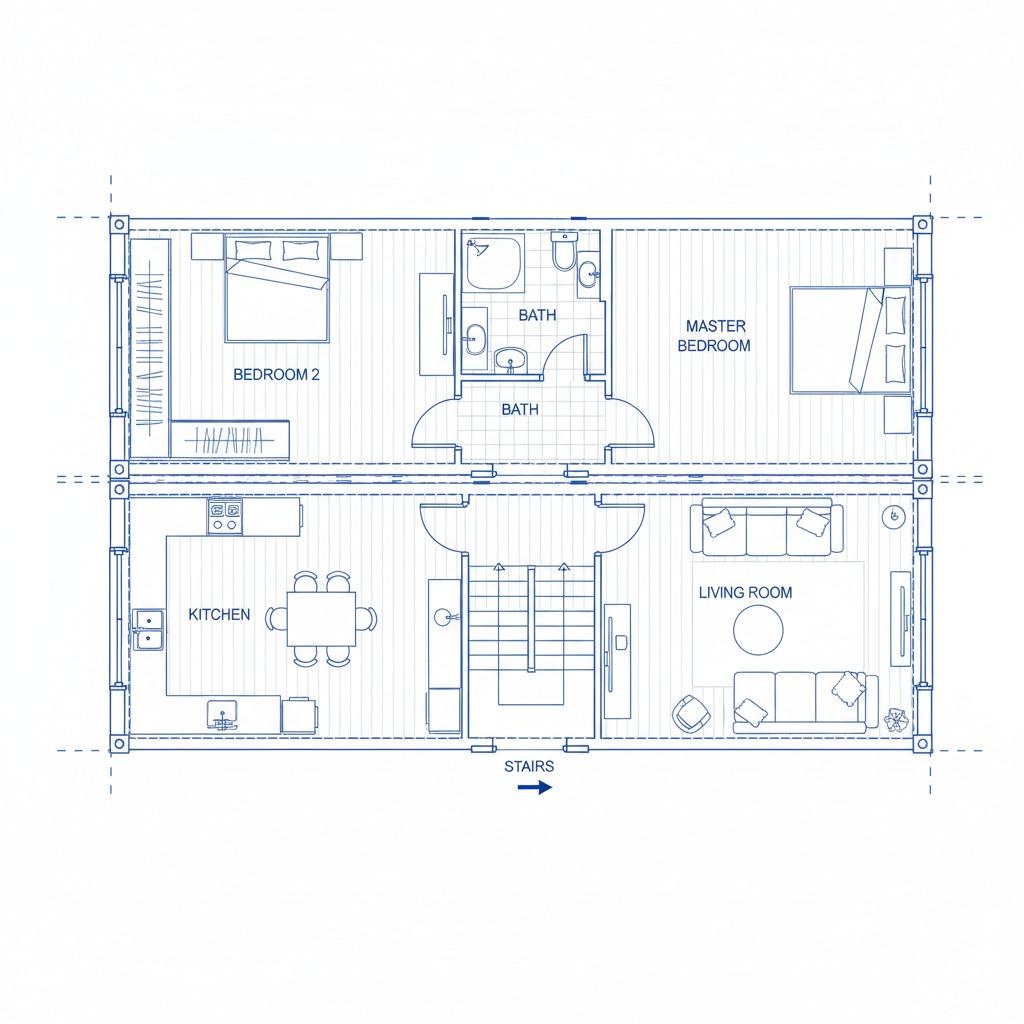
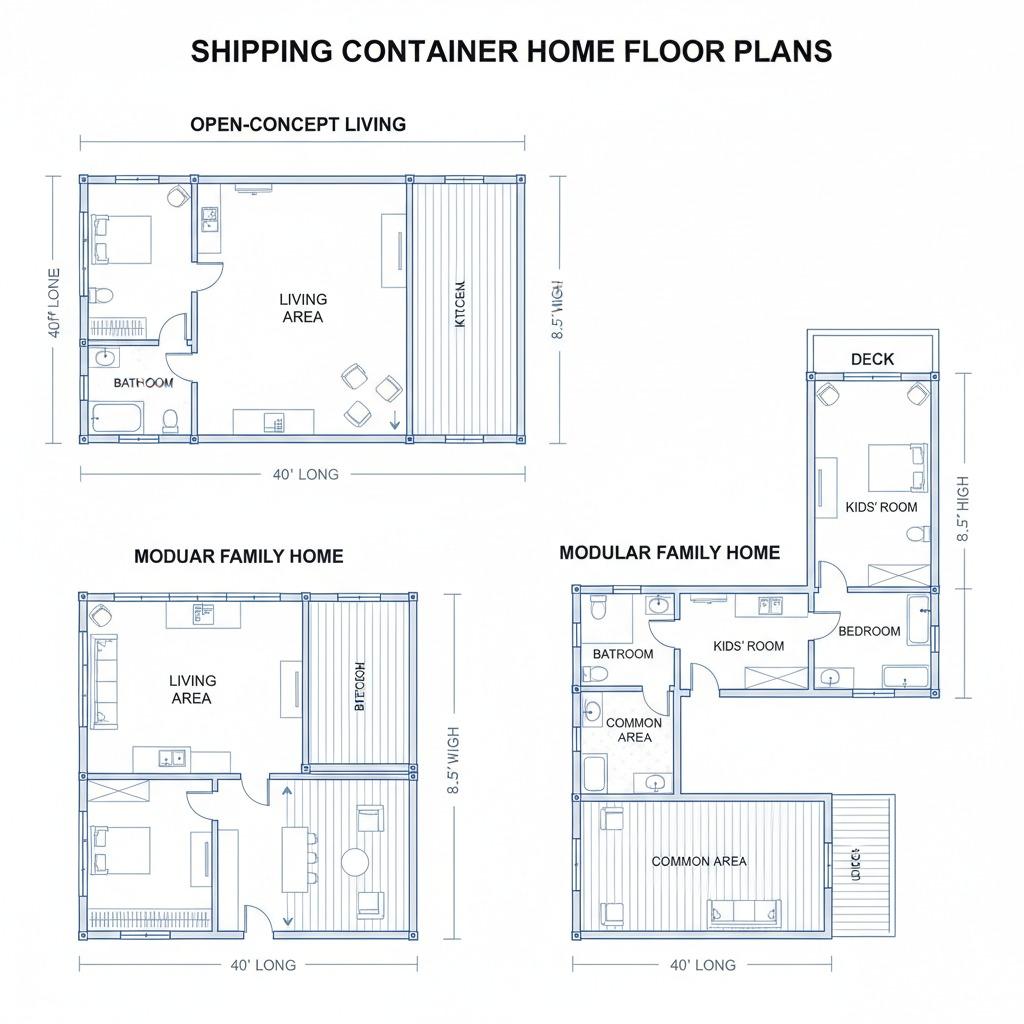
Shipping container house floor plans start with the standard dimensions of ISO shipping containers, typically 20 feet or 40 feet in length, providing a sturdy steel framework that's both versatile and resilient. These plans often incorporate open-concept layouts to maximize the limited square footage, with features like sliding doors for natural light and ventilation. For instance, a single 40-foot container can be converted into a compact one-bedroom home, featuring a kitchenette, living area, and bathroom all in one seamless flow. The appeal lies in their modularity; multiple containers can be stacked or placed side-by-side to create larger structures, such as two-story homes or multi-unit dwellings.
When designing these plans, architects focus on insulation to combat the container's natural conductivity, using spray foam or rigid panels to maintain comfortable indoor temperatures. Electrical and plumbing integrations are planned meticulously, often running along the container's corrugated walls to preserve structural integrity. A popular configuration in shipping container house floor plans is the L-shaped arrangement, which allows for a private bedroom wing separate from communal spaces, fostering a sense of openness without sacrificing privacy. These designs not only promote efficient space use but also draw from the containers' inherent strength, ensuring homes that withstand environmental challenges much like their original shipping counterparts.
Exploring Container Home Designs for Modern Lifestyles
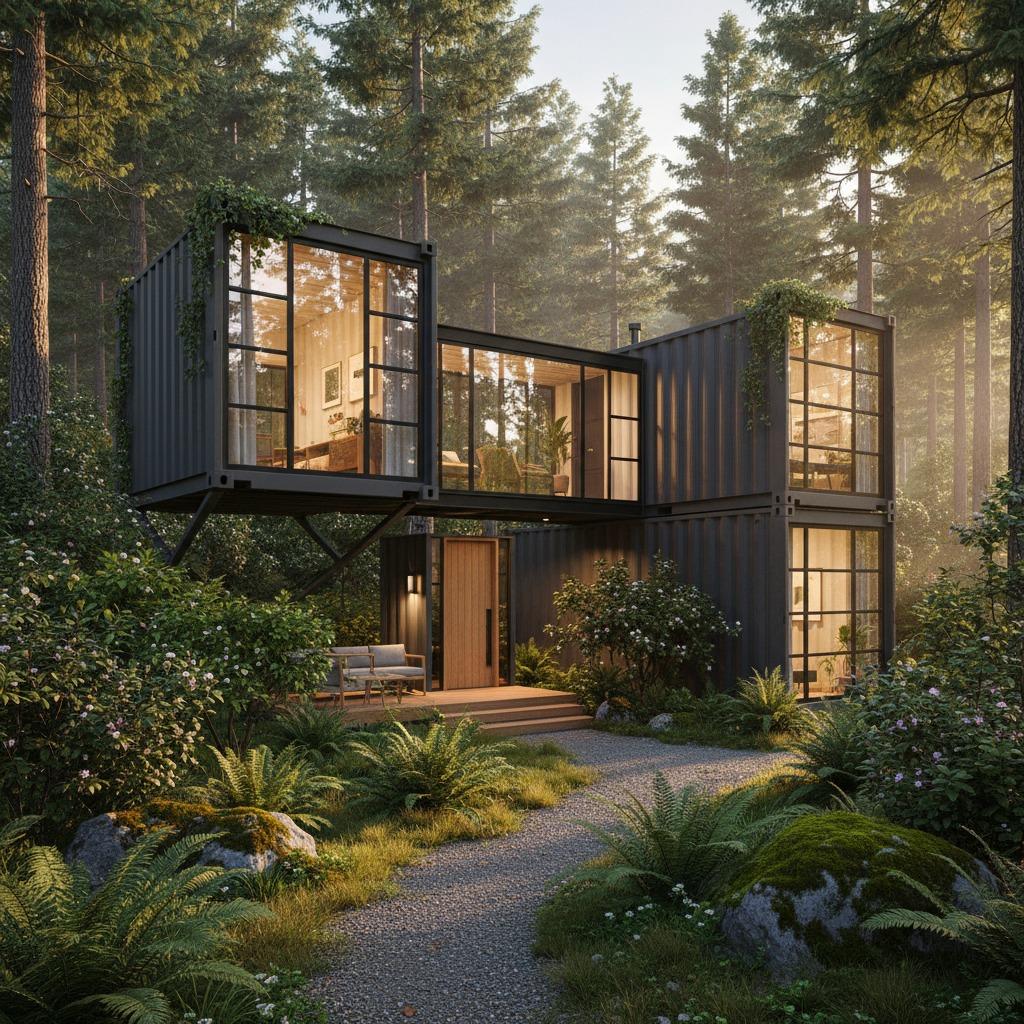
Container home designs take shipping container house floor plans to the next level by infusing creativity and personalization. These designs often blend industrial aesthetics with contemporary finishes, such as polished concrete floors and large windows framed in corten steel. Imagine a minimalist loft-style home where a 20-foot container serves as the core living space, expanded with modular additions for a home office or guest room. Sustainability is a key driver in container home designs, as repurposing these containers reduces waste and lowers the carbon footprint compared to traditional construction.
One innovative approach in container home designs involves multi-container configurations for family homes. For example, four 40-foot containers can be arranged in a U-shape around a central courtyard, creating a 1,600-square-foot residence with three bedrooms, two bathrooms, and an open kitchen-dining area. These plans emphasize natural airflow and passive solar gain, incorporating skylights and overhangs to regulate temperature. Customization options abound, from rooftop gardens for urban dwellers to integrated solar panels for off-grid living. Container home designs also appeal to those in transient lifestyles, offering portable homes that can be relocated with relative ease, all while maintaining the durability expected from high-quality container materials.
Affordability is another hallmark of container home designs, with initial costs ranging from $10,000 to $50,000 per container before modifications. This makes them an attractive alternative to conventional housing, especially in high-cost areas. Designers often incorporate cost-saving elements like prefabricated interiors, allowing for quick assembly on-site. Whether you're envisioning a cozy retreat or a spacious family abode, container home designs using shipping container house floor plans provide a blueprint for innovative, resilient living that echoes the reliability of professional container solutions in logistics.
Modular Container House Plans: Flexibility and Efficiency
Modular container house plans build on the foundational strengths of shipping container house floor plans by emphasizing prefabrication and scalability. These plans allow for sections of the home to be built off-site in a controlled environment, then transported and assembled like puzzle pieces. A typical modular setup might involve two 40-foot containers joined lengthwise to form an 80-foot linear home, complete with a master suite at one end and living areas at the other. The modularity ensures that expansions can be added later, such as attaching an additional container for a garage or studio.
In modular container house plans, structural reinforcements are crucial, often including welded frames and corner castings for secure stacking—elements that mirror the robust engineering found in shipping container components. Interior layouts can vary widely; a two-container plan might feature a ground-level container for living and kitchen spaces, with an upper-level bedroom container accessed via an external staircase. Energy efficiency is prioritized through features like high-R-value insulation and energy-efficient appliances, reducing long-term operational costs. These plans are particularly suited for remote or rural locations, where traditional building materials might be scarce, offering a fast-track to homeownership with minimal disruption.
The flexibility of modular container house plans extends to zoning and permitting, as they often qualify as temporary structures in certain areas, speeding up approval processes. For a three-bedroom family home, a modular plan could stack three containers vertically and horizontally, creating 1,200 square feet with ample storage via built-in lofts. This approach not only optimizes space but also enhances security with the containers' inherent locking systems, providing peace of mind akin to secure logistics transport. As modular container house plans evolve, they continue to push boundaries in sustainable architecture, making high-quality, durable housing accessible to a broader audience.
Affordable Shipping Container Homes: Budget-Friendly Innovation
Affordable shipping container homes democratize access to stylish, functional living through smart shipping container house floor plans. These homes leverage the low base cost of used containers—often available for under $3,000 each—to keep overall expenses down, with complete builds ranging from $20,000 to $100,000 depending on size and finishes. A basic one-container affordable shipping container home might include a 320-square-foot studio with a loft bed, compact kitchen, and wet bath, ideal for singles or couples starting out.
To enhance affordability, these plans incorporate DIY-friendly elements, such as pre-cut window openings and standardized plumbing kits, allowing owners to participate in the build process. Container home designs within this category often feature communal outdoor spaces to extend living areas without additional construction costs. For instance, a two-container affordable shipping container home can create a 640-square-foot space with separate sleeping and living zones, using affordable materials like reclaimed wood for interiors to add warmth and character.
Modular aspects further reduce costs in affordable shipping container homes by minimizing labor and waste. A popular floor plan involves side-by-side containers forming a 1,000-square-foot two-bedroom home, with shared walls for cost-effective insulation. These homes excel in energy savings, potentially qualifying for green building incentives. Beyond budget, affordable shipping container homes offer resilience against natural disasters, thanks to their steel construction, ensuring long-term value. By focusing on efficient designs and quality components, these homes provide a viable path to homeownership that combines innovation with practicality.
Why Choose Shipping Container House Floor Plans?
Ultimately, shipping container house floor plans represent a forward-thinking approach to housing that balances cost, sustainability, and style. Whether through expansive container home designs, adaptable modular container house plans, or budget-conscious affordable shipping container homes, these options cater to diverse needs. The durability inherited from shipping containers ensures homes that are not only affordable but also built to last, much like the reliable parts that power global logistics. As interest in alternative housing grows, these plans offer a compelling solution for eco-conscious builders and dreamers alike, paving the way for a more efficient future in residential architecture.