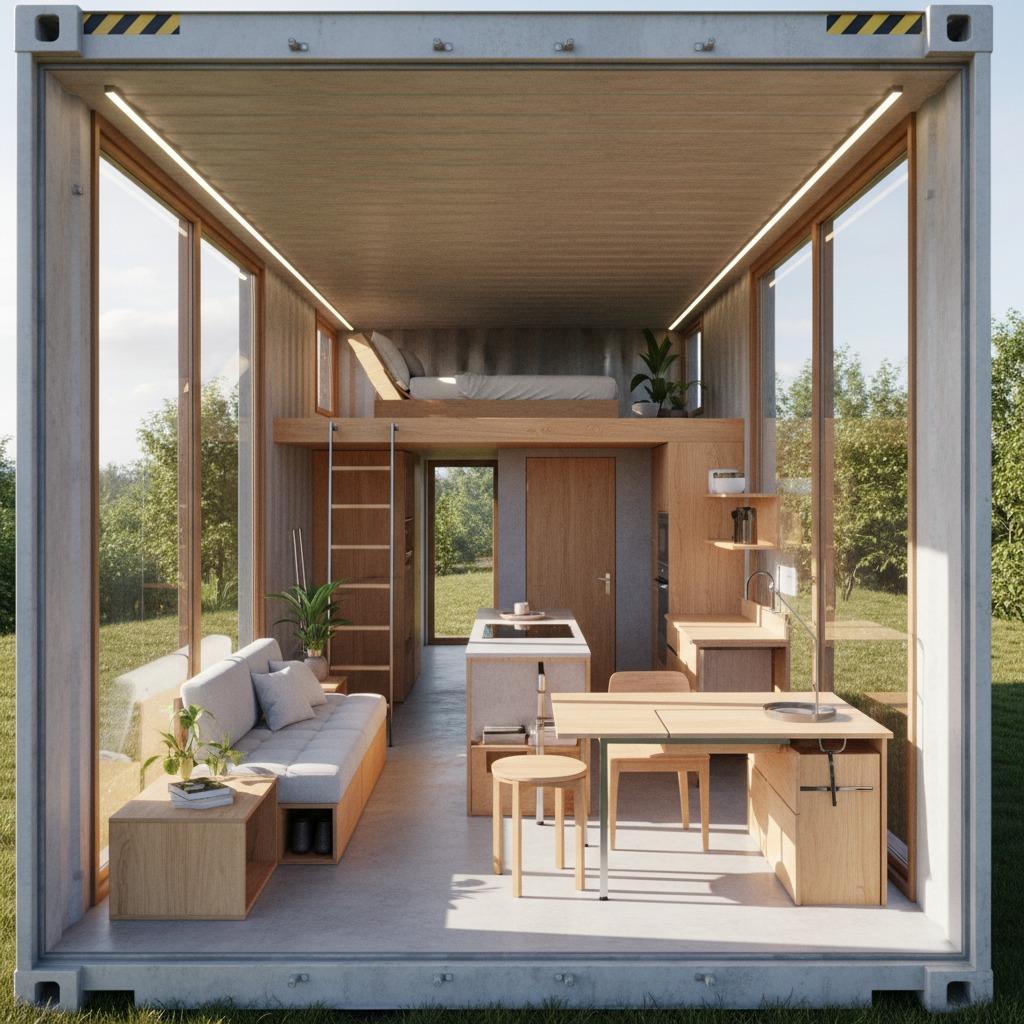

Shipping Container Home Floor Plans: Innovative Designs for Modern Living

Shipping container home floor plans are revolutionizing the way we think about affordable and sustainable housing. These plans utilize repurposed shipping containers as the foundation for unique, eco-friendly homes that blend functionality with creative design. As interest in modular and minimalist living grows, shipping container home floor plans offer a practical solution for those seeking to build quickly and cost-effectively without compromising on style or comfort.
Exploring Container Home Designs
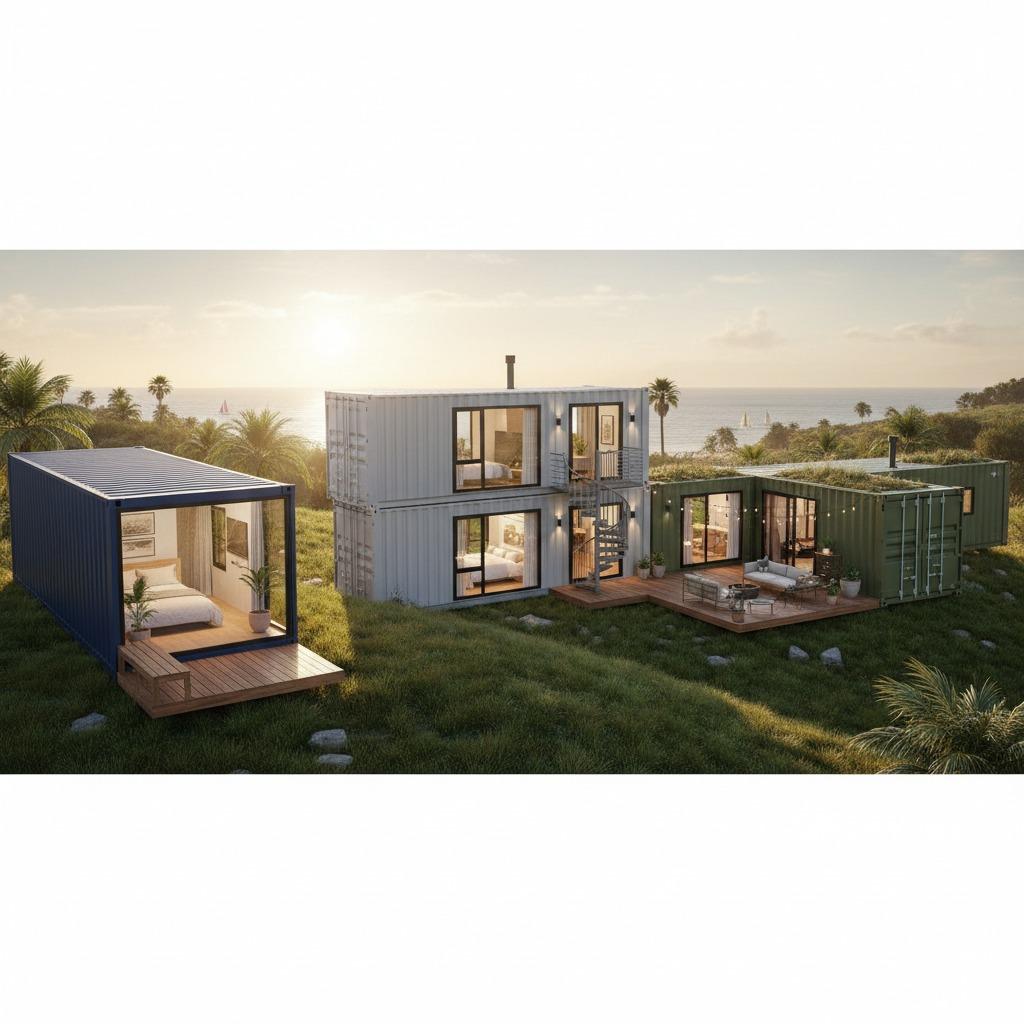
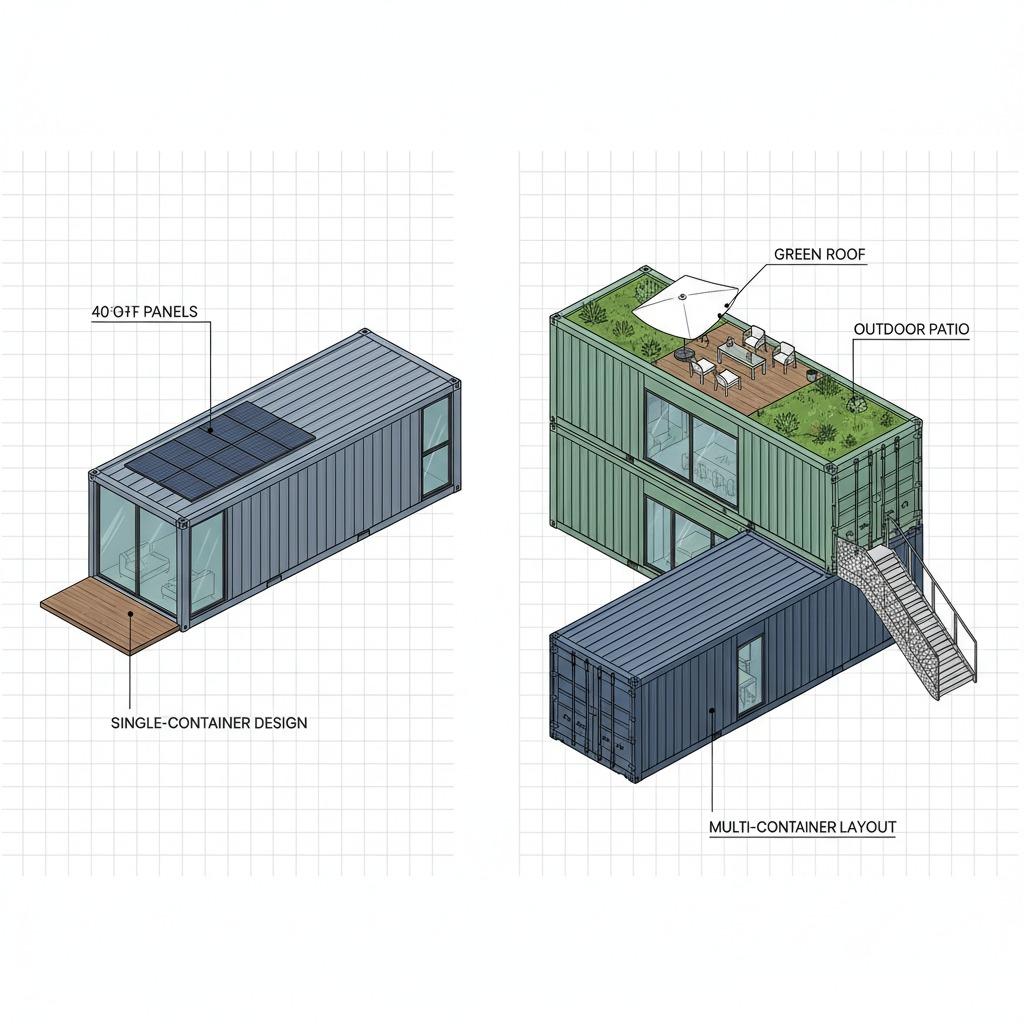
Container home designs form the creative backbone of any shipping container home floor plans project. These designs transform standard 20-foot or 40-foot containers into spacious living areas, kitchens, bedrooms, and even multi-level structures. For instance, a single container can be outfitted as a compact studio apartment, while combining multiple units allows for expansive layouts that include open-plan living rooms and private outdoor spaces. The versatility of container home designs means they can adapt to various terrains, from urban lots to rural retreats, making them ideal for diverse lifestyles. Architects often emphasize natural light through large windows and sliding doors, ensuring that the industrial origins of the containers don't overshadow the home's warmth and habitability.
One popular aspect of container home designs is their modular nature, which allows for easy expansion over time. Homeowners can start with a basic shipping container home floor plans setup and add more containers as their needs evolve. This scalability is particularly appealing for growing families or those experimenting with off-grid living. Additionally, these designs prioritize sustainability by incorporating recycled materials and energy-efficient features like solar panels and insulation tailored for steel structures. The result is not just a home, but a statement on innovative architecture that reduces waste and environmental impact.
Understanding Shipping Container House Layout Options
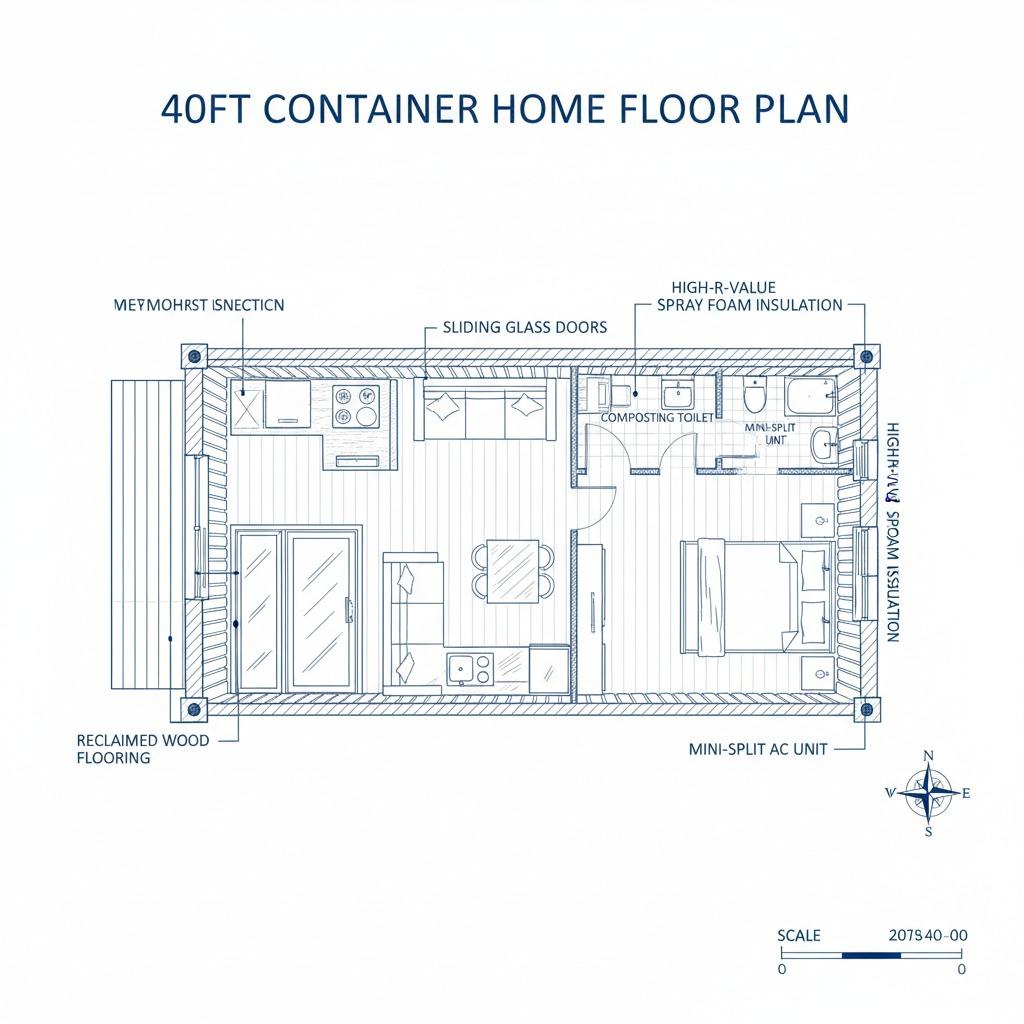
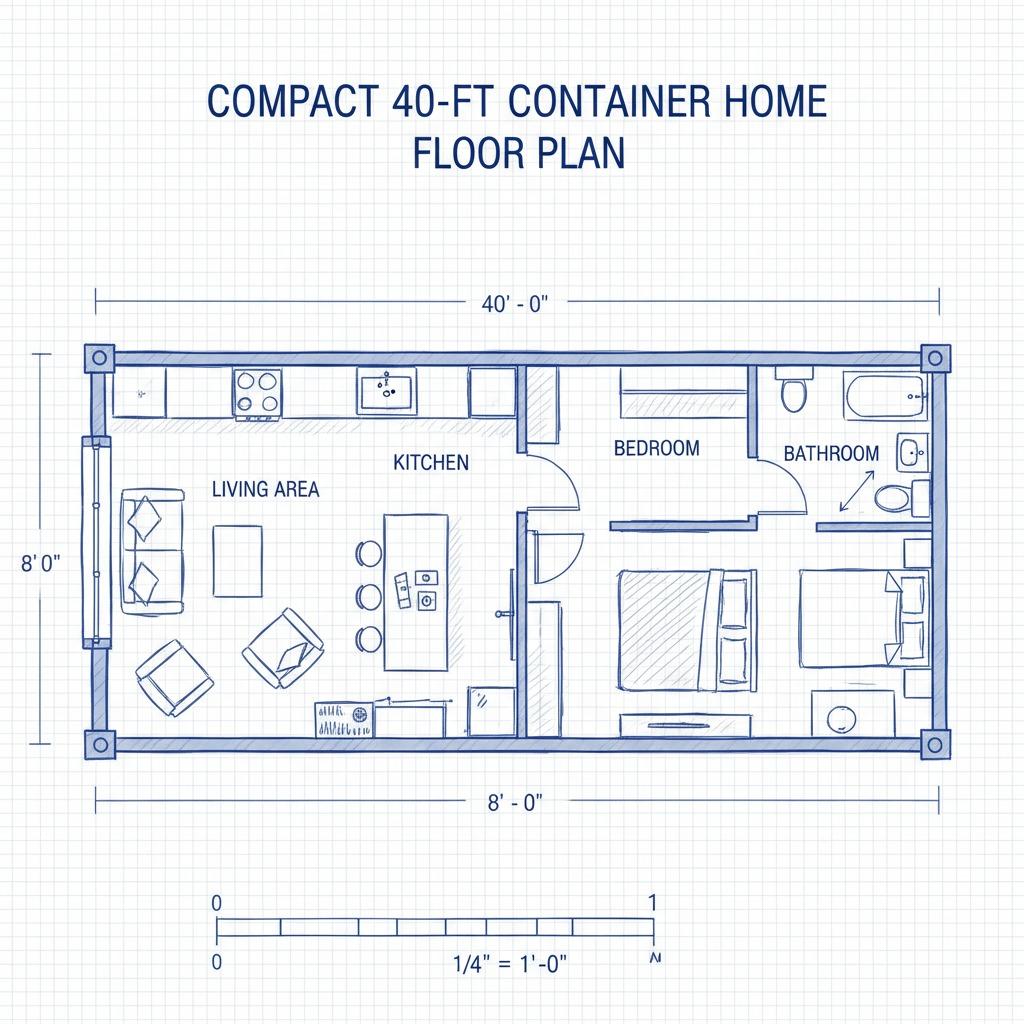
When delving into shipping container house layout, the focus shifts to optimizing space within the rigid dimensions of the containers. A well-thought-out shipping container house layout can turn potential challenges, like limited width, into strengths by employing clever partitioning and multi-functional furniture. For example, a typical 40-foot container might feature a galley-style kitchen along one wall, flowing seamlessly into a dining area, with the opposite side dedicated to a cozy bedroom nook. Shipping container home floor plans often include detailed blueprints that illustrate these layouts, showing how to stack containers for second stories or connect them side-by-side for wider footprints.
Shipping container house layout also considers practical elements such as ventilation, plumbing, and electrical systems. Engineers recommend reinforcing container walls to support internal modifications while maintaining structural integrity. Popular configurations include L-shaped layouts for corner properties or linear designs for narrow sites, each tailored to maximize natural airflow and views. By studying various shipping container house layout examples, builders can incorporate features like built-in storage under lofted sleeping areas or fold-out patios that extend living space outdoors. This thoughtful approach ensures that the home feels expansive and inviting, far removed from the container's utilitarian roots.
Customization plays a key role in shipping container house layout, allowing owners to infuse personal touches. Whether it's adding a home office in a converted container or creating a greenhouse extension, the possibilities are endless. These layouts are not only efficient but also budget-friendly, often costing 20-30% less than traditional construction due to the pre-fabricated nature of the containers.
The Rise of Modular Shipping Container Homes
Modular shipping container homes take the concept of shipping container home floor plans to the next level by emphasizing prefabrication and quick assembly. These homes are built in sections off-site, then transported and pieced together on location, drastically reducing build times to just a few weeks. Modular shipping container homes appeal to those who value efficiency, as they minimize on-site labor and weather-related delays. Floor plans for these homes often feature interchangeable modules, enabling designs that can be reconfigured for different uses, such as converting a guest room into a gym.
A standout feature of modular shipping container homes is their adaptability to modern lifestyles. Plans might include smart home integrations, like automated lighting and climate control, seamlessly embedded into the container framework. Sustainability is at the forefront, with many modular shipping container homes achieving high energy ratings through advanced insulation and passive solar design. For urban dwellers, these homes offer a compact yet luxurious alternative to apartments, complete with rooftop gardens or communal spaces when multiple units are combined.
In terms of aesthetics, modular shipping container homes can be clad in wood, stucco, or even vibrant panels to blend with surrounding architecture. Drawing from innovative products like colorful shipping containers in turquoise, blue, orange, and red, designers are infusing these homes with visual flair that makes them stand out. Secure lock systems and durable steel construction ensure longevity, while customizable interiors allow for personalized layouts that reflect individual tastes. This fusion of modularity and style positions modular shipping container homes as a forward-thinking choice for eco-conscious builders.
Benefits and Considerations for Building with Shipping Containers
Building a home based on shipping container home floor plans comes with numerous benefits, starting with affordability and speed. Containers are readily available and inexpensive compared to traditional building materials, enabling homeowners to allocate budgets toward high-quality finishes and appliances. The durability of high-grade steel means these homes withstand harsh weather, from coastal winds to inland storms, providing peace of mind for long-term ownership.
However, considerations like proper insulation are crucial to prevent heat loss in colder climates. Shipping container home floor plans should account for this by specifying spray foam or rigid panel insulation. Zoning regulations vary by location, so consulting local authorities early is advisable. Despite these factors, the rewards are significant: lower carbon footprints, unique designs, and the satisfaction of a custom-built space.
Container home designs, shipping container house layout, and modular shipping container homes collectively offer a blueprint for the future of housing. By embracing shipping container home floor plans, individuals can create personalized sanctuaries that are as practical as they are inspiring, proving that innovation often lies in repurposing what we already have.