
Understanding the Basics of a Shipping Container Floor Plan
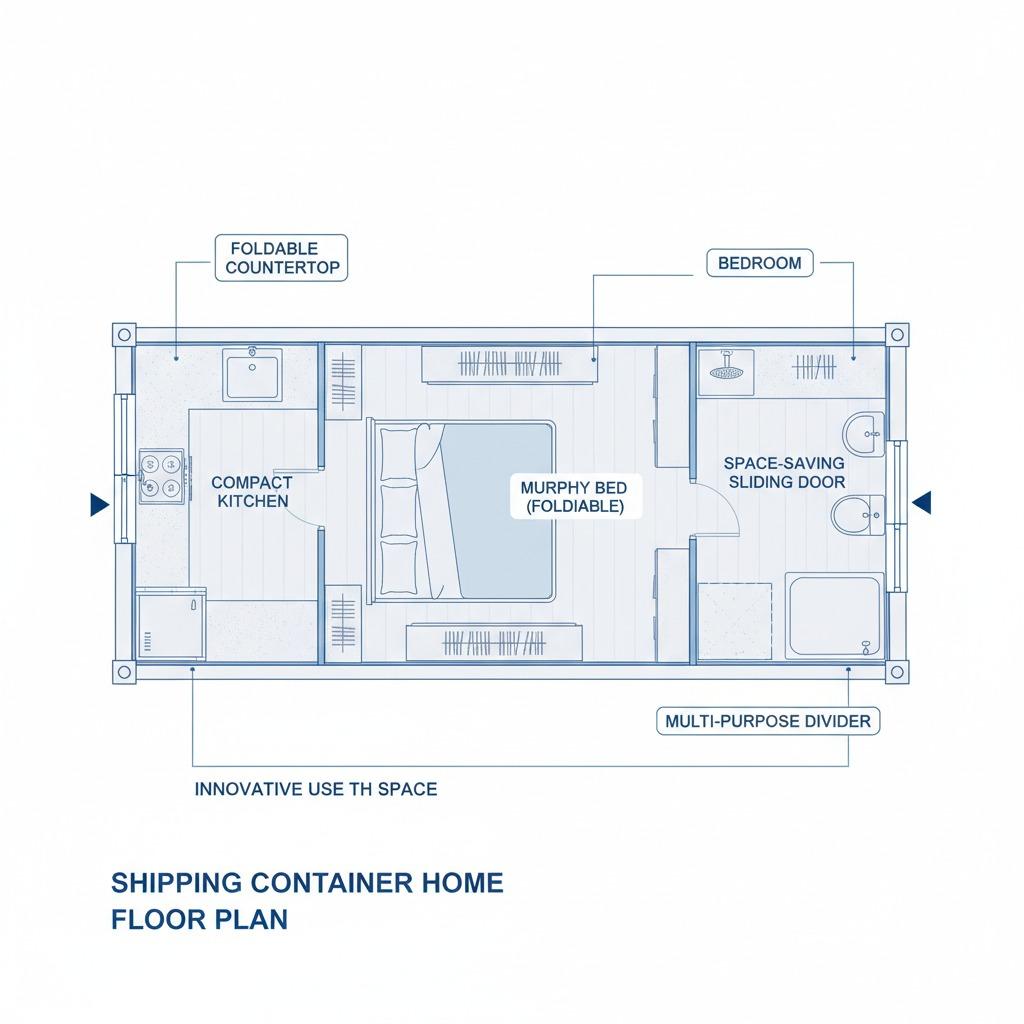
A shipping container floor plan serves as the foundational blueprint for transforming a standard shipping container into a functional living or working space. These plans are essential for anyone interested in sustainable architecture, offering a unique way to repurpose industrial materials into modern homes or offices. By starting with a solid shipping container floor plan, you can visualize how to maximize the limited square footage—typically 160 to 320 square feet per container—while incorporating essential features like insulation, plumbing, and electrical systems. The appeal lies in the modularity of containers, which allow for easy stacking or combining to create multi-level structures. Whether you're dreaming of a cozy container home layout or a innovative shipping container design, the floor plan is where creativity meets practicality.
Key Elements in a Container Home Layout
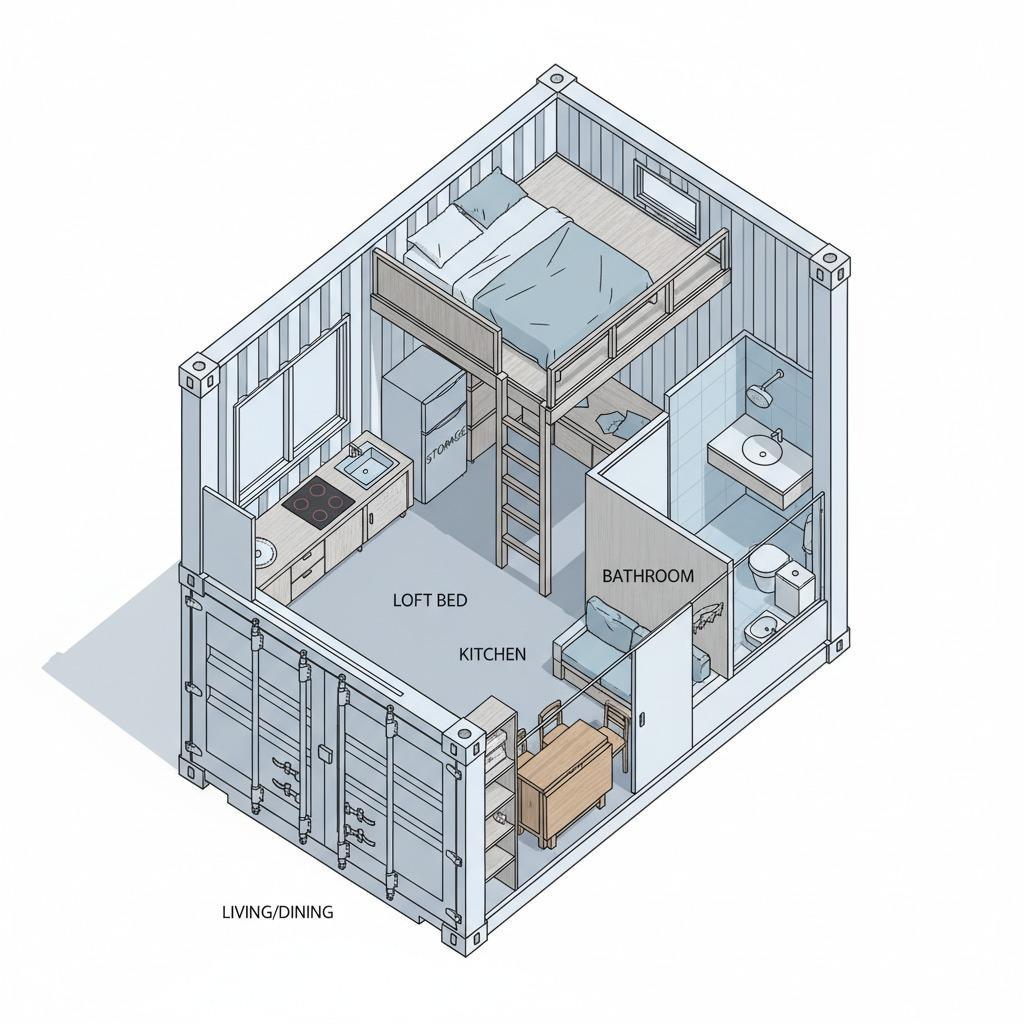
When designing a container home layout, the focus is on efficient use of space to ensure comfort and accessibility. Begin by considering the orientation of the container; placing it lengthwise can create a linear flow from entrance to living areas. Essential zones include a compact kitchen, a bedroom, and a bathroom, all optimized to fit within the container's dimensions. For instance, the kitchen might feature built-in cabinetry along one wall, with a foldable dining table to save space. In a shipping container floor plan, windows and doors are strategically cut into the steel walls to bring in natural light and ventilation, transforming the industrial shell into a welcoming environment. Related aspects like furniture placement are crucial—opt for multifunctional pieces such as lofted beds or storage-integrated sofas to enhance the container home layout without cluttering it.
Incorporating sustainable elements into your container home layout can elevate the design's appeal. Solar panels on the roof, rainwater collection systems, and energy-efficient appliances align with the eco-friendly ethos of shipping container architecture. It's also important to address structural modifications early in the planning stage, ensuring that any cuts for doors or windows are reinforced to maintain the container's integrity. By thoughtfully mapping out these details, your shipping container floor plan becomes not just a drawing, but a roadmap to a resilient and stylish home.
Exploring Shipping Container Design Innovations
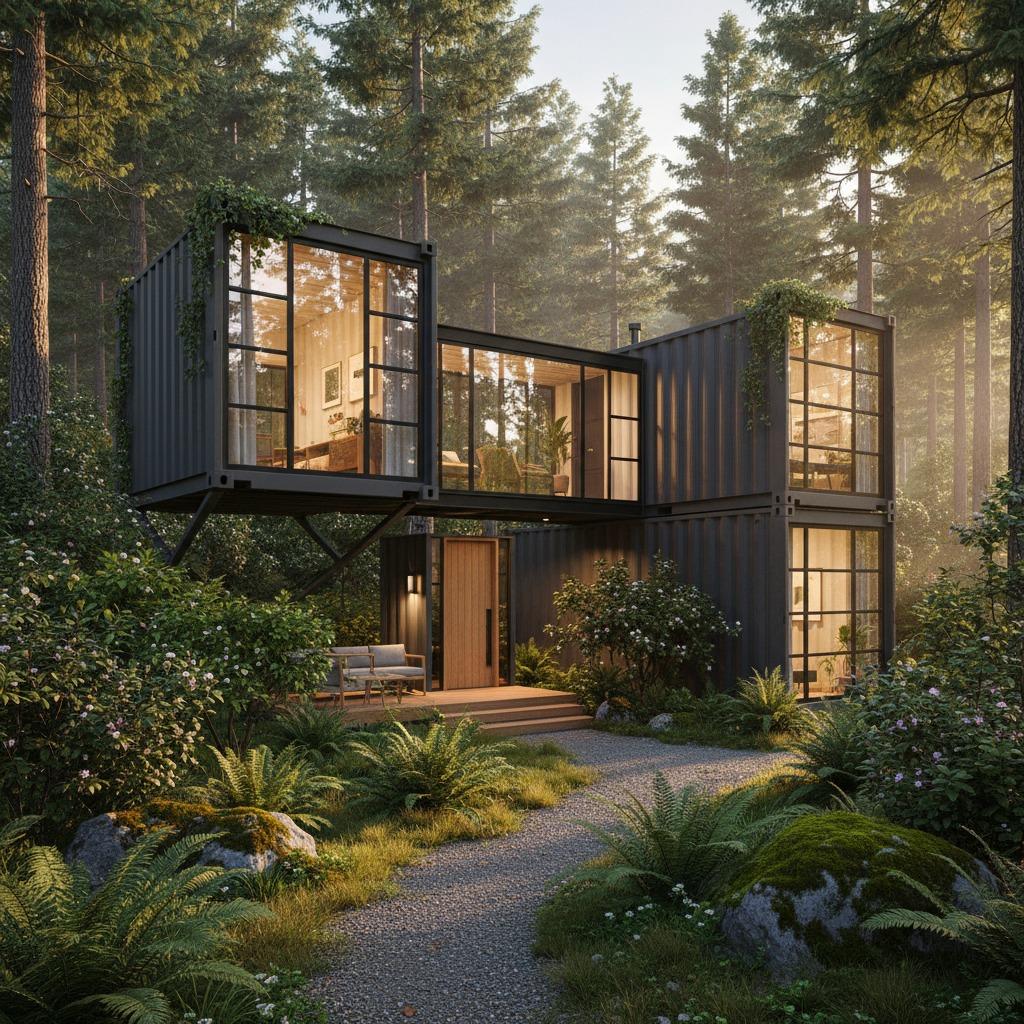
Shipping container design has evolved dramatically, moving beyond basic conversions to sophisticated structures that rival traditional builds. Modern shipping container design often incorporates modular expansions, where multiple containers are welded together at angles to form L-shaped or even multi-story layouts. Aesthetic choices, such as cladding the exterior with wood or colorful panels, can soften the industrial look while protecting against the elements. Inside, the shipping container design shines through open-plan concepts that blur boundaries between living and dining areas, fostering a sense of spaciousness. Ventilation is key in these enclosed spaces, so integrating skylights or accordion doors enhances airflow and connects the interior to the outdoors.
One of the most exciting aspects of shipping container design is its adaptability to various climates and terrains. In urban settings, a single-container setup might suffice for a studio apartment, complete with a lofted sleeping area overlooking a workspace below. For rural escapes, combining two or more containers allows for guest rooms or home offices. Always consult local building codes when developing your shipping container design, as they dictate everything from foundation requirements to fire safety measures. This ensures your project not only looks impressive but stands the test of time.
Creating Effective Container House Blueprints
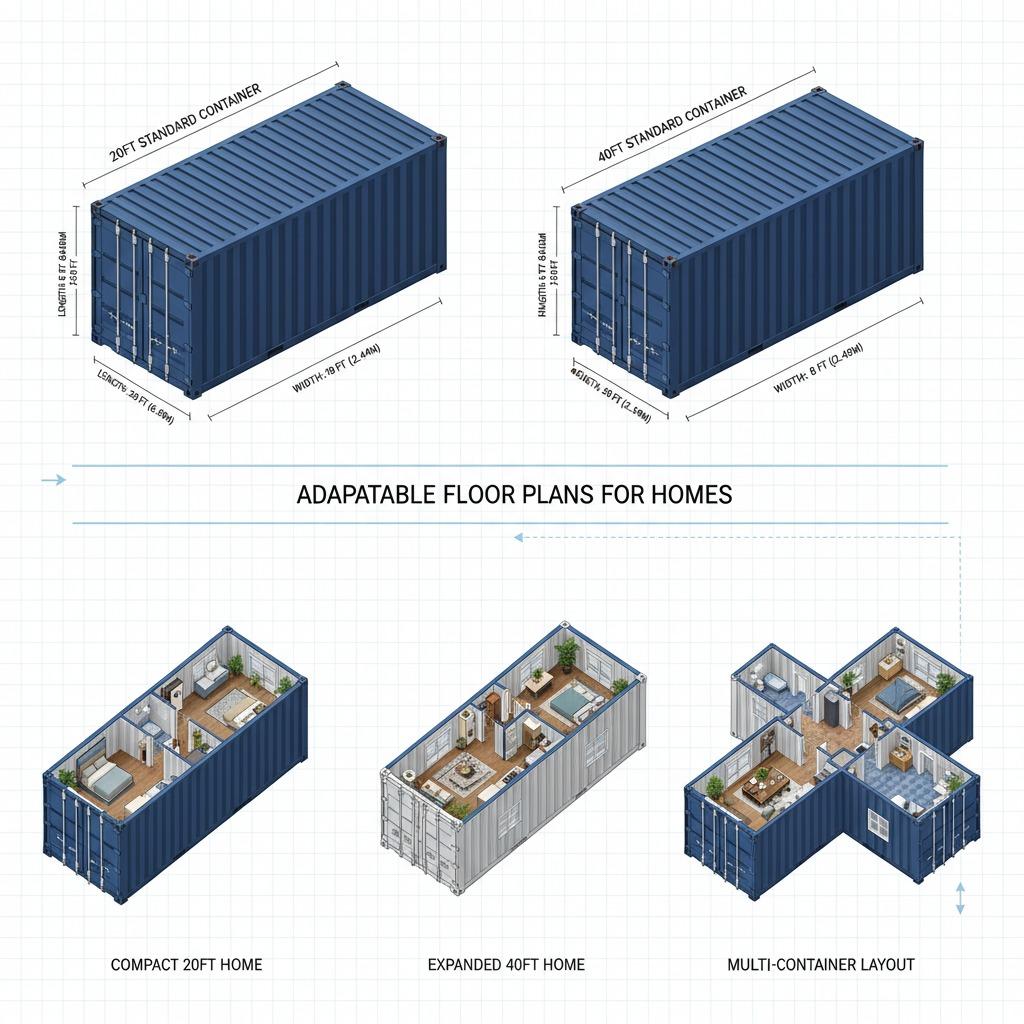
Container house blueprints provide the detailed schematics needed to bring your vision to life, outlining everything from load-bearing walls to utility placements. Start with software tools like SketchUp or AutoCAD to draft precise container house blueprints, scaling them to the exact dimensions of ISO-standard containers (8 feet wide by 20 or 40 feet long). These blueprints should include cross-sections to show insulation layers—crucial for temperature control—and electrical wiring diagrams to avoid hazards. A well-crafted set of container house blueprints might feature a central hallway in a multi-container setup, branching off to private rooms for optimal privacy.
Customization is at the heart of container house blueprints, allowing you to tailor the space to your lifestyle. For families, prioritize larger communal areas; for minimalists, emphasize simplicity with built-in storage solutions. Integrating smart home technology, such as automated lighting and climate controls, adds a modern twist to your container house blueprints. Professional architects specializing in modular homes can refine these plans, ensuring compliance with seismic standards or energy efficiency ratings. The result is a blueprint that not only guides construction but also inspires confidence in the project's feasibility.
Beyond the basics, container house blueprints often incorporate outdoor integrations, like patios extending from the container's end, blurring indoor-outdoor boundaries. Material selections in the blueprints—such as corten steel for durability or reclaimed wood for warmth—further personalize the design. By iterating on drafts and incorporating feedback, your container house blueprints evolve into a comprehensive guide that streamlines the building process.
Practical Tips for Implementing Your Shipping Container Floor Plan
Bringing a shipping container floor plan to reality requires careful planning and execution. First, source high-quality, used containers from reputable suppliers to avoid corrosion issues that could compromise your structure. Site preparation is vital: level the ground and install a sturdy foundation, whether concrete piers or a full slab, to support the container's weight. As you implement the shipping container floor plan, prioritize safety by hiring certified welders for modifications and electricians for wiring. Budgeting is another key factor—expect costs to range from $10,000 to $50,000 per container, depending on customizations.
To tie in elements from your container home layout and shipping container design, test the flow of the space during the mock-up phase using temporary partitions. This helps identify any bottlenecks before permanent installation. Community resources, like online forums or design blogs, offer real-world insights into successful projects, inspiring tweaks to your container house blueprints. Sustainability tip: Use low-VOC paints and recycled insulation to keep your shipping container floor plan environmentally sound.
Finally, document every step of the process for future reference or to share with others embarking on similar journeys. With thoughtful implementation, your shipping container floor plan can result in a home that's not only affordable and quick to build but also a testament to innovative living. Whether stacking containers for vertical expansion or linking them horizontally, the possibilities are endless, making this approach a favorite among eco-conscious builders worldwide.