
Understanding the Essentials of a Shipping Container Floor
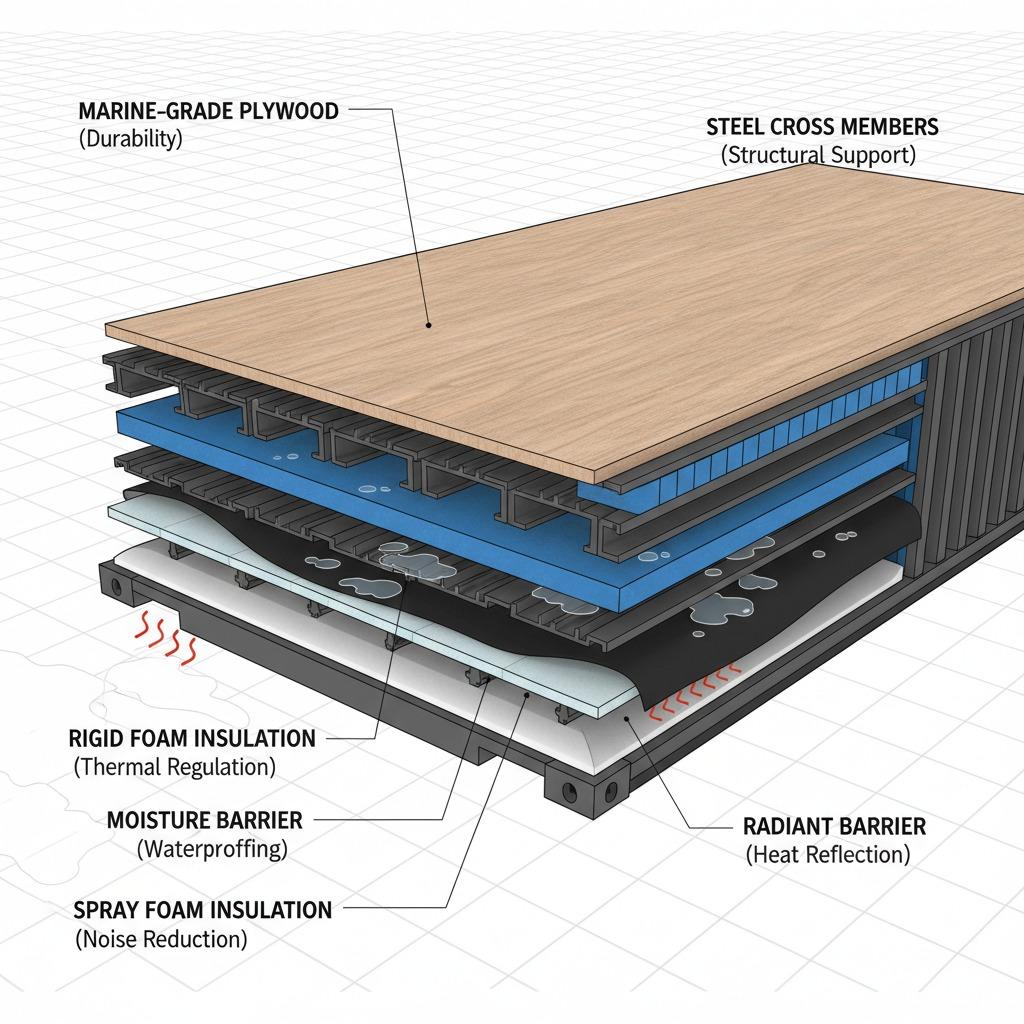
When it comes to repurposing shipping containers for homes, offices, or storage, the shipping container floor plays a crucial role in ensuring stability and functionality. Typically made from marine-grade plywood reinforced with steel cross members, a standard shipping container floor is designed to withstand heavy loads during global transport. However, for non-maritime uses, modifications are often necessary to address issues like moisture, insulation, and wear. This foundation not only supports the structure but also influences the overall comfort and longevity of the space. Exploring the shipping container floor reveals why it's a key consideration for any container-based project.
Exploring Container Flooring Options
Container flooring options have expanded significantly, offering versatility for various applications. Traditional plywood floors, while robust, can degrade over time if exposed to water or pests, prompting the need for upgrades. Alternatives include engineered wood products treated for rot resistance or even composite materials that mimic wood but offer superior durability. For outdoor setups like container gardens or workshops, rubberized coatings provide a non-slip surface ideal for high-traffic areas. Vinyl plank flooring is another popular choice, easy to install and maintain, providing a residential feel without compromising the industrial strength. When selecting container flooring options, factors like budget, aesthetic preferences, and environmental exposure guide the best pick, ensuring the floor meets both practical and visual demands.
The Importance of Durable Shipping Container Flooring
Durable shipping container flooring is essential for projects demanding long-term reliability, especially in harsh conditions. High-quality options, such as pressure-treated plywood or steel-reinforced panels, resist warping, cracking, and chemical damage from spills or cleaning agents. In commercial settings, like pop-up shops or site offices, this durability translates to reduced maintenance costs and fewer replacements. Innovations in materials, including recycled plastics and fiber-reinforced composites, enhance eco-friendliness while maintaining strength ratings up to 10,000 pounds per square foot. Investing in durable shipping container flooring not only protects the investment but also safeguards occupants by minimizing hazards like splintering or uneven surfaces. Real-world examples from converted container communities highlight how these floors endure years of use with minimal intervention.
Enhancing Comfort with Shipping Container Floor Insulation
Shipping container floor insulation addresses one of the biggest challenges in container living: temperature fluctuations. Without proper insulation, the metal structure conducts heat and cold efficiently, leading to uncomfortable interiors and higher energy bills. Common methods include installing rigid foam boards beneath the plywood, spray foam for seamless coverage, or reflective barriers to combat radiant heat. For colder climates, combining insulation with underfloor heating systems creates a cozy environment. This layer not only improves thermal efficiency but also reduces noise transmission, making the space more livable. When planning shipping container floor insulation, consider the container's intended use—residential conversions benefit from R-values of at least 10, while storage units might suffice with basic moisture barriers. Proper installation prevents condensation issues, preserving the floor's integrity over time.
Installation and Maintenance Tips for Your Shipping Container Floor
Installing a new shipping container floor or upgrading an existing one requires careful preparation to avoid costly mistakes. Begin by inspecting the current floor for damage, removing any rusted steel or softened plywood. Leveling the surface with shims ensures even support, crucial for preventing structural shifts. For container flooring options like laminate or tile, a moisture-proof subfloor acts as a buffer against the container's inherent humidity. During installation, use adhesives and fasteners rated for marine environments to secure materials firmly. Maintenance involves regular cleaning with mild solutions to prevent buildup, and periodic checks for signs of wear. Applying sealants annually can extend the life of durable shipping container flooring, while integrating shipping container floor insulation demands ventilation to avoid mold. These steps, when followed, transform a basic container into a resilient, user-friendly space.
Cost Considerations and Sustainability in Shipping Container Floors
Budgeting for a shipping container floor involves weighing initial costs against long-term benefits. Basic plywood replacements might run $500 to $1,000 per container, while premium durable shipping container flooring with integrated insulation can climb to $3,000 or more, depending on size and materials. Opting for sustainable container flooring options, such as bamboo or reclaimed wood, appeals to eco-conscious builders and can qualify for green building incentives. These choices reduce environmental impact without sacrificing performance. Additionally, shipping container floor insulation using recycled materials lowers the carbon footprint of renovations. By prioritizing sustainability, owners not only save money through energy efficiency but also contribute to broader ecological goals. Case studies from urban container villages demonstrate how thoughtful flooring selections yield both economic and planetary advantages.
Future Trends in Shipping Container Floor Innovations
Looking ahead, advancements in shipping container floor technology promise even greater efficiency and customization. Smart flooring with embedded sensors for moisture detection and load monitoring is emerging, allowing real-time maintenance alerts via apps. Modular container flooring options enable easy swaps for different uses, from residential to commercial. Enhanced durable shipping container flooring incorporating nanotechnology repels water and self-heals minor damages, extending usability in extreme weather. For insulation, aerogel-based materials offer superior thermal resistance in thinner profiles, ideal for space-constrained designs. As shipping container floor insulation evolves, integration with renewable energy sources like solar-heated floors could redefine off-grid living. These innovations ensure that shipping container floors remain at the forefront of adaptive architecture, blending durability, comfort, and cutting-edge tech for tomorrow's builders.
In summary, a well-chosen shipping container floor forms the bedrock of any successful container project, balancing strength, insulation, and style. Whether exploring container flooring options or focusing on durable solutions, informed decisions lead to spaces that are both functional and inviting.