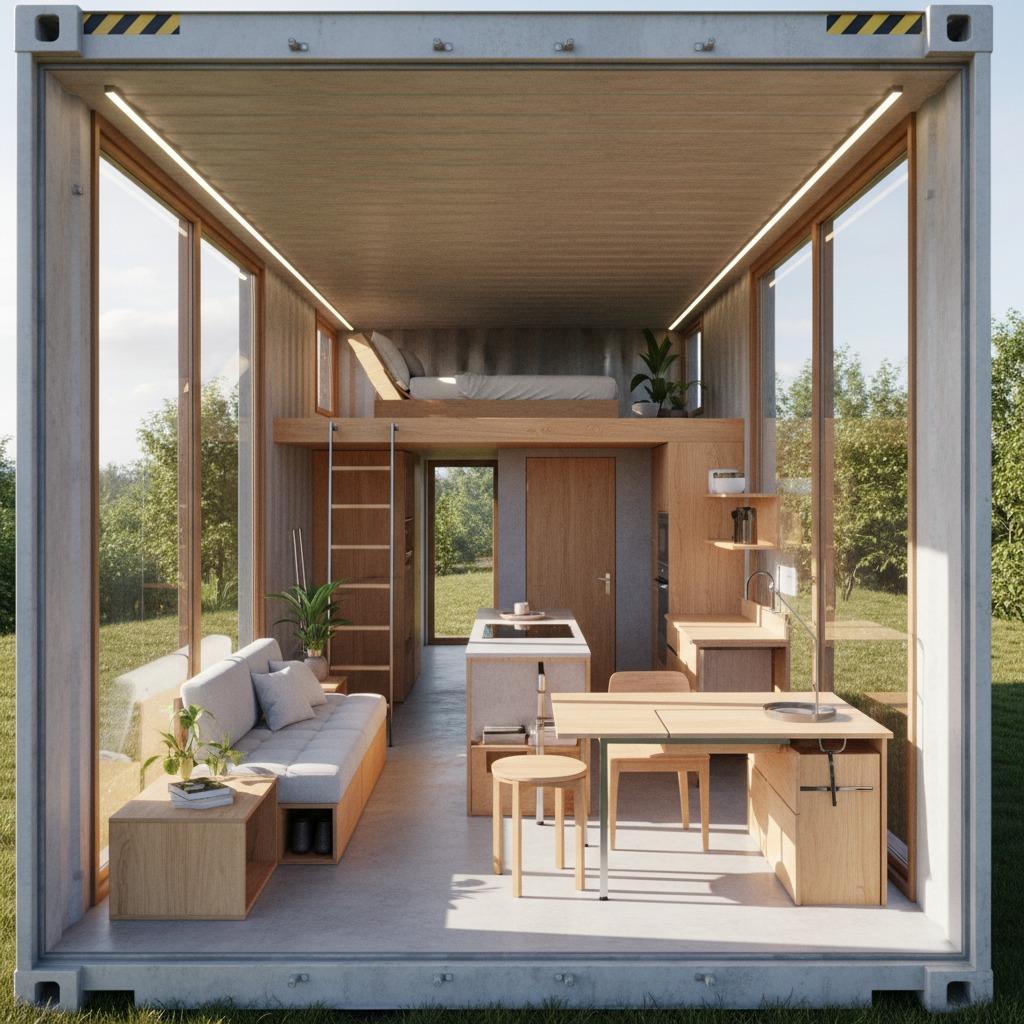

Exploring Innovative Container Home Floor Plans for Modern Living
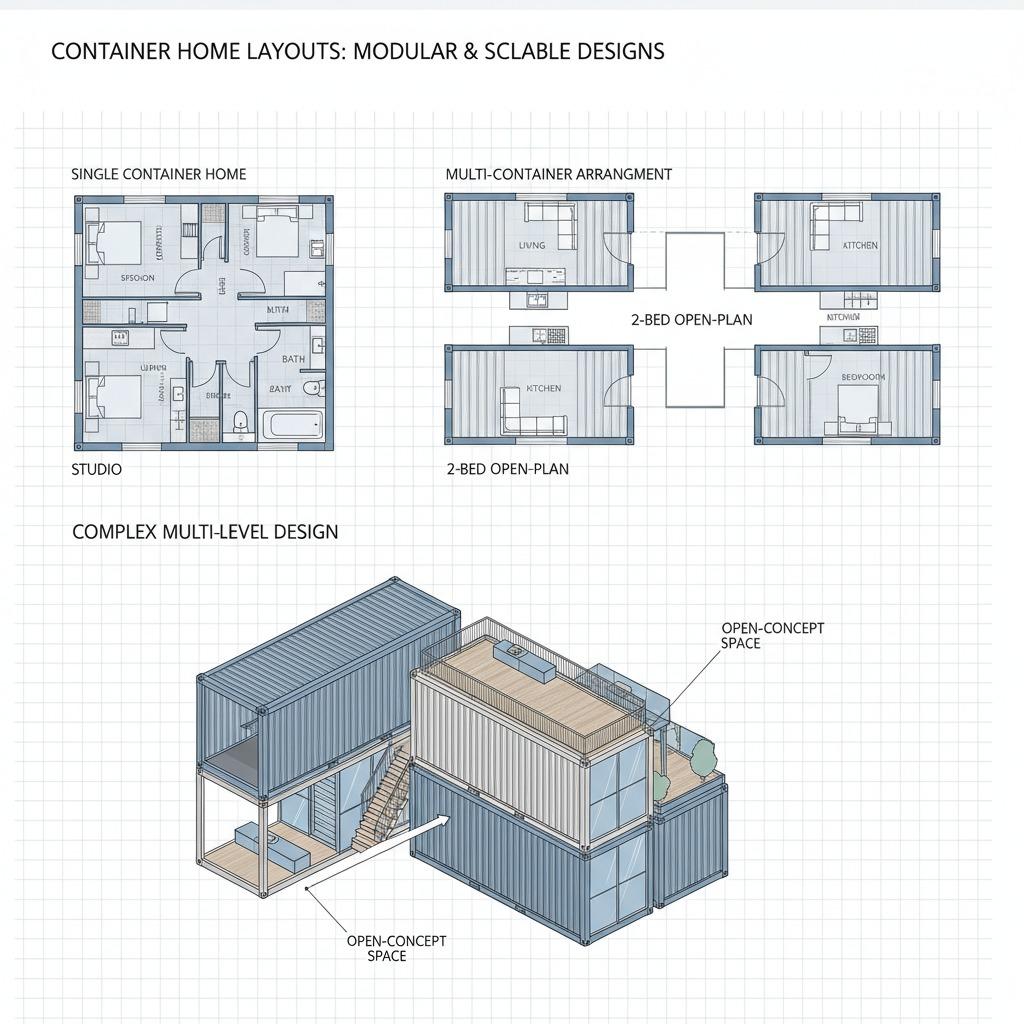
In the world of sustainable and affordable housing, container home floor plans stand out as a revolutionary approach to building homes from repurposed shipping containers. These plans offer a blend of efficiency, customization, and eco-friendliness that appeals to homeowners looking for unique living spaces. Drawing from shipping container architecture design principles, these floor plans transform industrial materials into comfortable residences, making them an ideal choice for urban dwellers or those seeking off-grid adventures.
Understanding the Basics of Container Home Floor Plans
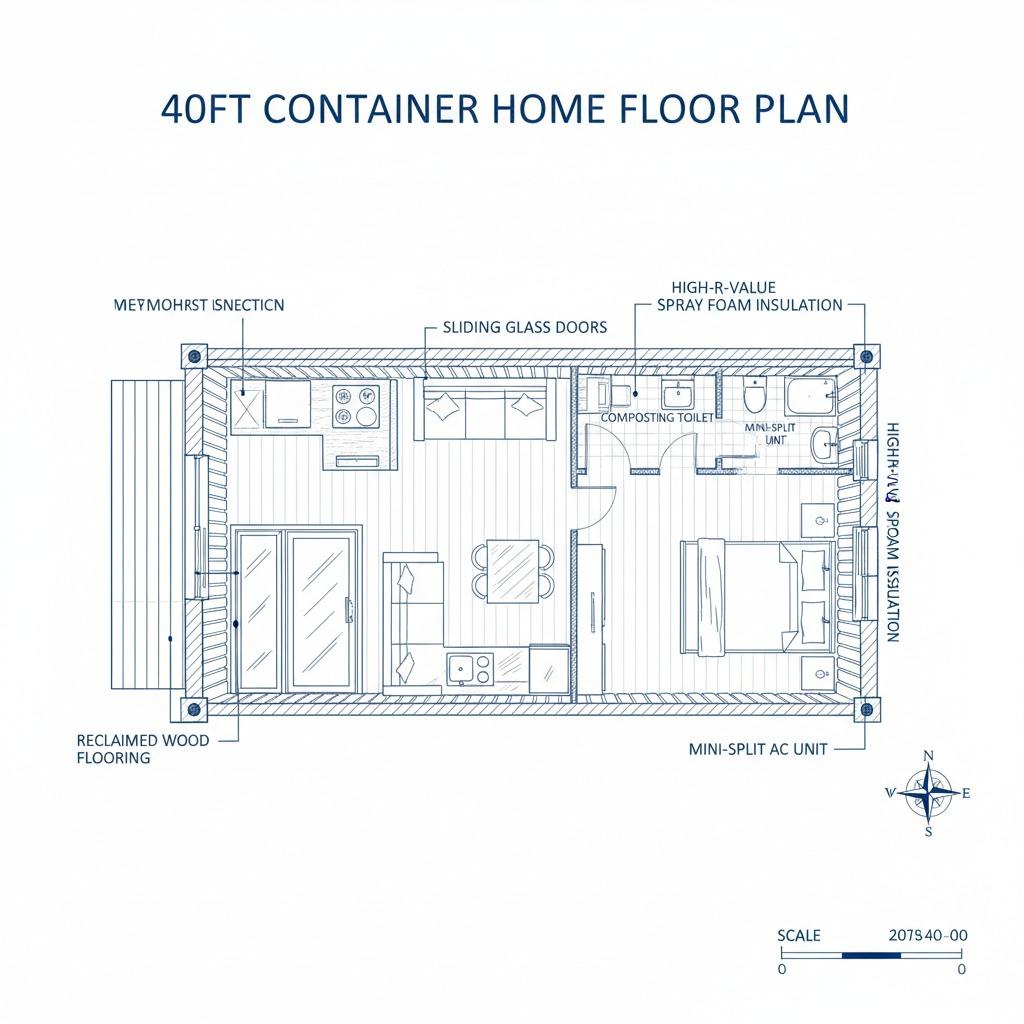
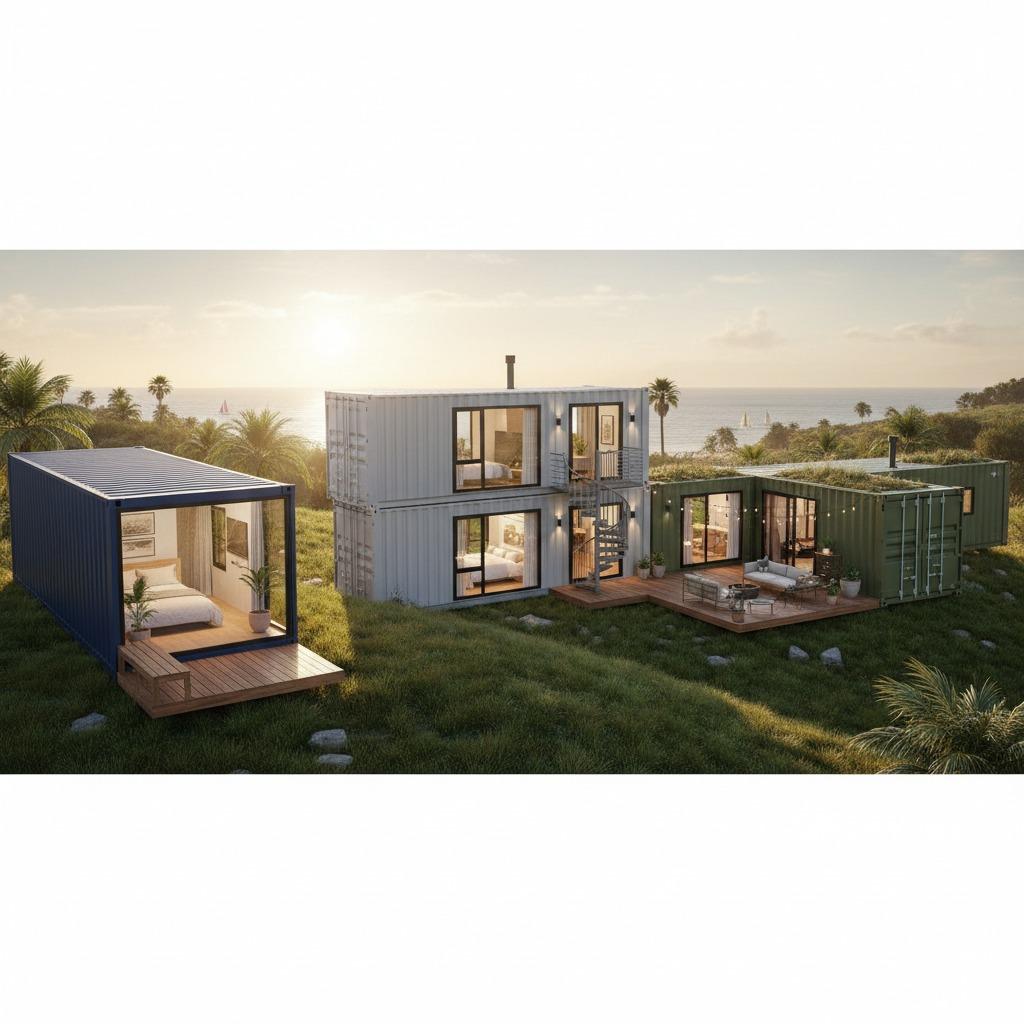
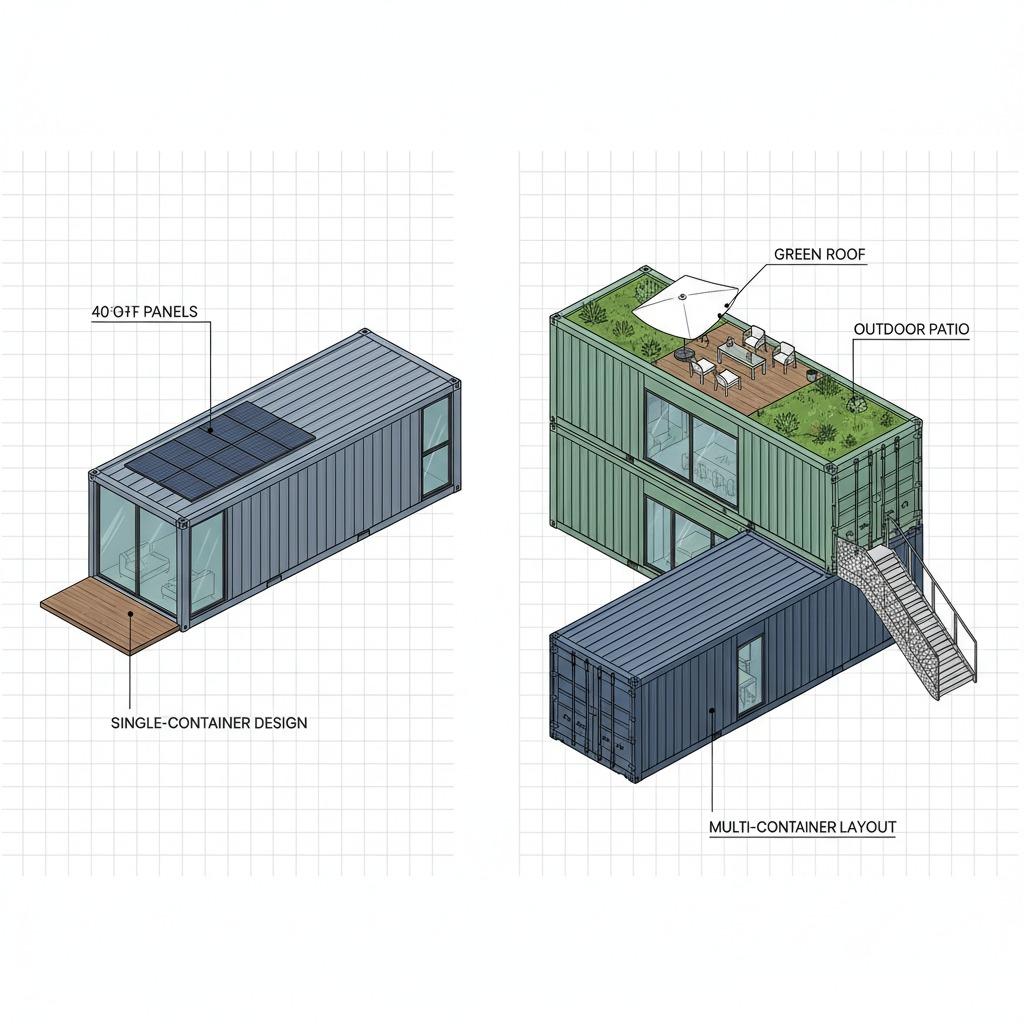
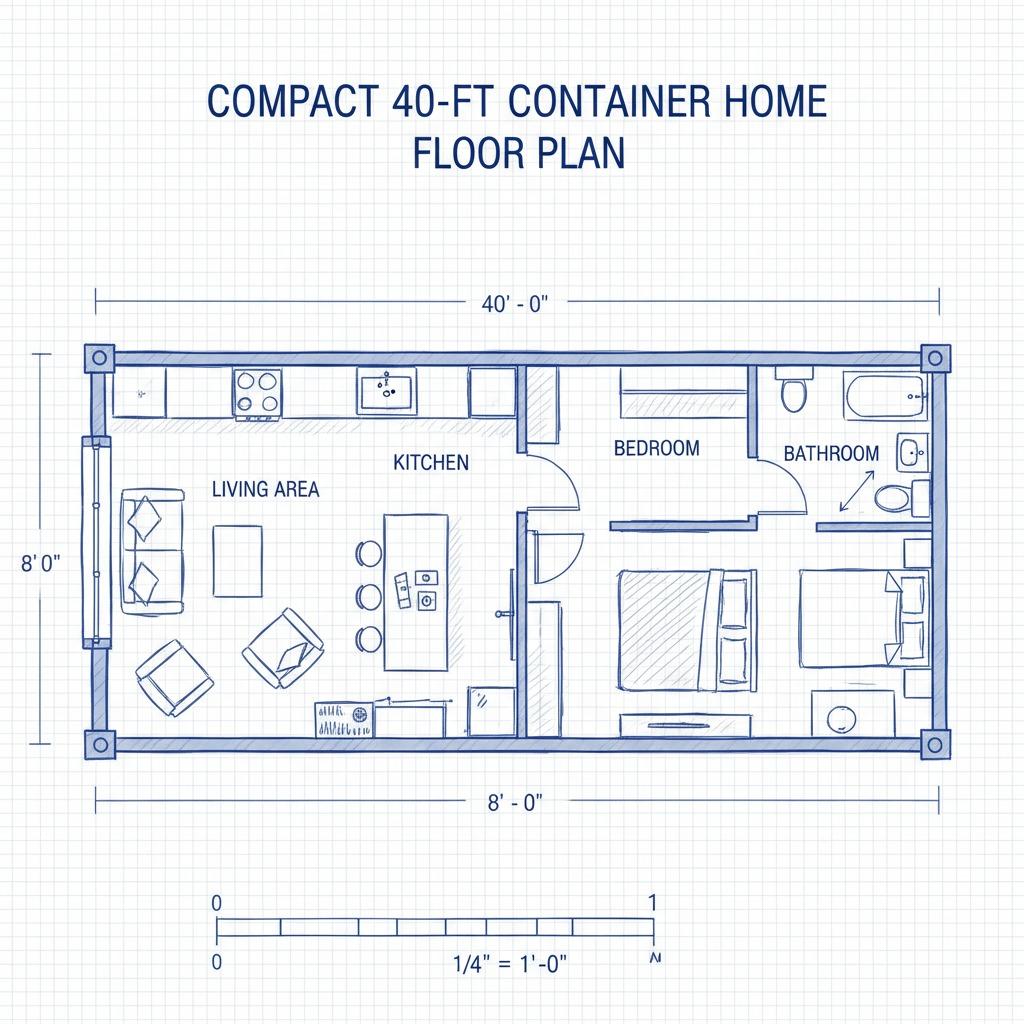
Container home floor plans begin with the standard dimensions of shipping containers, typically 20 or 40 feet in length, providing a sturdy foundation for creative layouts. Architects and designers focus on maximizing space through open-concept designs, where walls are removed or modified to create fluid living areas. For instance, a single 40-foot container can accommodate a compact one-bedroom layout, while stacking or combining multiple units allows for multi-level homes with separate zones for sleeping, cooking, and relaxing.
The appeal of these plans lies in their modularity. You can start with a basic container house blueprint and expand as needs evolve, adding features like large windows for natural light or insulation layers for energy efficiency. This flexibility ensures that container home floor plans are not only cost-effective—often 20-30% cheaper than traditional construction—but also quick to assemble, sometimes in just a few months. Professionals emphasize structural integrity, reinforcing floors and roofs to handle the weight of added amenities like rooftop gardens or decks.
Incorporating Shipping Container Architecture Design Elements
Shipping container architecture design is at the heart of crafting effective container home floor plans. This approach leverages the inherent strength of steel containers while addressing challenges like thermal regulation and ventilation. Designers often integrate passive solar strategies, positioning containers to capture sunlight and reduce heating costs. Aesthetic enhancements, such as cladding with wood or colorful panels, blend industrial vibes with modern minimalism, creating homes that are both functional and visually striking.
When developing container house blueprints, attention to detail is crucial. Blueprints typically include detailed schematics for plumbing, electrical wiring, and HVAC systems, ensuring compliance with local building codes. For example, a two-container plan might feature a central corridor connecting living spaces, with one unit dedicated to communal areas and the other to private bedrooms. This design not only optimizes flow but also promotes a sense of community in multi-family setups. Innovations in shipping container architecture design also include smart home integrations, like automated lighting and energy monitoring, tailored to the compact footprint.
Modular Container Building Plans: Customization and Scalability
Modular container building plans take container home floor plans to the next level by emphasizing prefabrication and easy scalability. These plans allow for off-site construction, where containers are fitted with interiors before delivery, minimizing on-site disruption. A popular modular layout might involve four 20-foot containers arranged in an L-shape, forming a 1,600-square-foot home with a spacious kitchen, two bathrooms, and an open-plan living room that spills onto an outdoor patio.
Customization is a key advantage in modular container building plans. Homeowners can choose finishes, from sleek concrete floors to warm bamboo accents, and incorporate sustainable features like rainwater harvesting or solar panels. Container house blueprints in this category often prioritize multi-functional spaces; a guest room can double as a home office, while built-in storage solutions make the most of every inch. For those interested in shipping container architecture design, these plans offer endless possibilities, from cozy cabins to expansive family homes, all while maintaining a low environmental impact by reusing materials that would otherwise be discarded.
Practical Considerations for Implementing Your Container Home Floor Plans
Before diving into container home floor plans, it's essential to consider site preparation and permitting. Containers require a level foundation, often concrete piers, to prevent settling. Zoning laws vary, so consulting local authorities ensures your project aligns with regulations. Budgeting is another factor; while initial costs for containers range from $2,000 to $5,000 each, additional expenses for modifications like cutting openings for doors and windows can add up. However, the long-term savings on energy bills due to the containers' insulated steel structure make it worthwhile.
Sourcing quality components is vital for durability. While our top-tier container parts, such as robust corner castings and twist locks, are primarily designed for logistics efficiency and cargo security in global trade, they play a foundational role in container home projects. These high-grade, resilient elements ensure structural stability when adapting containers for residential use, withstanding harsh conditions and optimizing handling during transport to your build site. Engineered for precision, they support safe stacking and alignment in modular setups, reducing risks and enhancing the overall build process.
In shipping container architecture design, lashing equipment and other fittings from reliable suppliers contribute to seamless assembly. Our offerings, crafted from durable materials, promise longevity even in residential applications, allowing for aesthetic versatility with containers in various hues to match your vision. Whether upgrading a single unit or outfitting a multi-container home, these professional container parts maintain excellence, much like they do in trade operations, ensuring your container home floor plans translate into a secure, efficient living space.
Benefits and Future Trends in Container Living
The benefits of container home floor plans extend beyond affordability to environmental sustainability. By repurposing shipping containers, you're reducing waste and the demand for new building materials, aligning with green building practices. Energy-efficient designs in container house blueprints can achieve net-zero status, further lowering your carbon footprint. Residents often report a sense of adventure and uniqueness, turning what was once a mode of transport into a personalized sanctuary.
Looking ahead, modular container building plans are evolving with advancements in technology. 3D printing for custom fittings and AI-driven design tools are making it easier to generate tailored container home floor plans. Trends point toward hybrid models, combining containers with traditional elements for hybrid aesthetics. As urbanization continues, these plans offer a smart solution for dense areas, providing spacious yet compact homes that adapt to modern lifestyles.
In summary, embracing container home floor plans opens doors to innovative, sustainable living. From shipping container architecture design to detailed container house blueprints, the possibilities are vast. With modular container building plans, you can create a home that's not just a structure, but a reflection of your values—efficient, resilient, and forward-thinking. Whether starting small or going grand, these designs promise a future where housing is accessible, eco-conscious, and creatively unbound.