
Understanding Floor Loaded Containers: A Key to Efficient Shipping
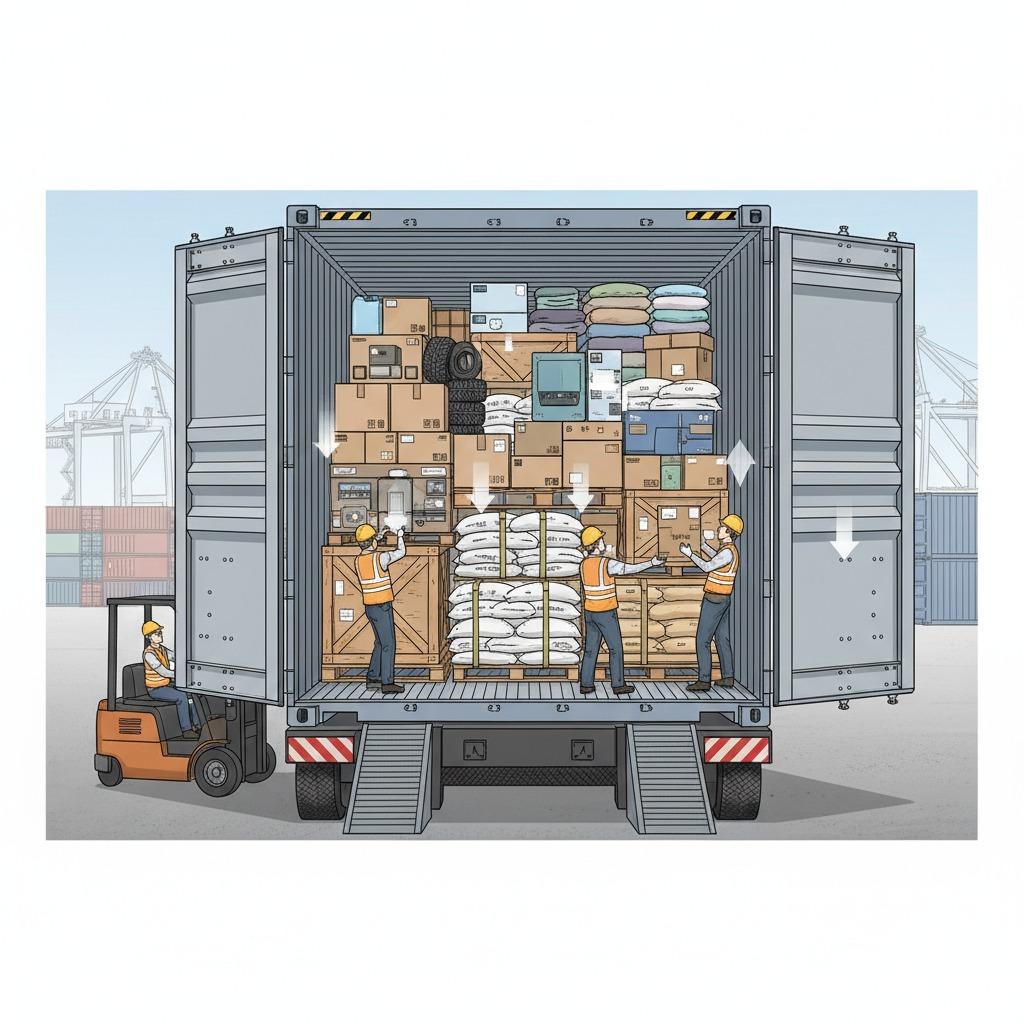
In the world of international trade and logistics, the floor loaded container stands out as a fundamental method for transporting goods securely and efficiently. This approach involves loading cargo directly onto the floor of the shipping container, maximizing space utilization and minimizing the risk of damage during transit. As businesses seek cost-effective solutions for global supply chains, understanding floor loaded containers becomes essential. Whether you're shipping perishables, machinery, or consumer goods, this method ensures stability and accessibility upon arrival.
Benefits of Floor Loading Shipping Containers
Floor loading shipping containers offers numerous advantages that make it a preferred choice for many shippers. One primary benefit is the even distribution of weight across the container's floor, which enhances stability during sea voyages or overland transport. This technique reduces the chances of shifting cargo, a common issue in stacked loading methods that can lead to product damage or safety hazards. Additionally, floor loading allows for easier access to all items without the need for specialized unloading equipment, saving time and labor costs at the destination port.
Another key aspect is the versatility of floor loading shipping containers. It accommodates a wide variety of cargo types, from palletized goods to loose items, making it ideal for mixed shipments. For instance, in the agricultural sector, farmers often use this method to transport fresh produce, ensuring that delicate items like fruits and vegetables remain intact. By avoiding overhead stacking, the risk of crushing or contamination is significantly lowered, preserving the quality of the freight. Moreover, this loading style complies with international shipping regulations, such as those set by the International Maritime Organization (IMO), which emphasize secure and balanced cargo placement.
From a cost perspective, floor loading shipping containers can reduce overall logistics expenses. Since it often requires fewer securing materials like straps or braces compared to other techniques, shippers can cut down on packaging costs. It also optimizes container space, potentially allowing more goods to be shipped in a single unit, which lowers the per-unit freight rate. Businesses that frequently engage in container loading methods like this report improved turnaround times and higher customer satisfaction due to reliable delivery conditions.
Exploring Container Loading Methods in Depth
Container loading methods vary widely, but floor loading remains one of the most straightforward and reliable options. Unlike top-loading, where items are placed from above using cranes, floor loading starts from the base and builds upward systematically. This methodical process begins with heavier items at the bottom to create a stable foundation, followed by lighter cargo on top. It's particularly useful for shipping container freight that includes oversized or irregularly shaped objects, as it allows workers to maneuver pieces into place without lifting them high.
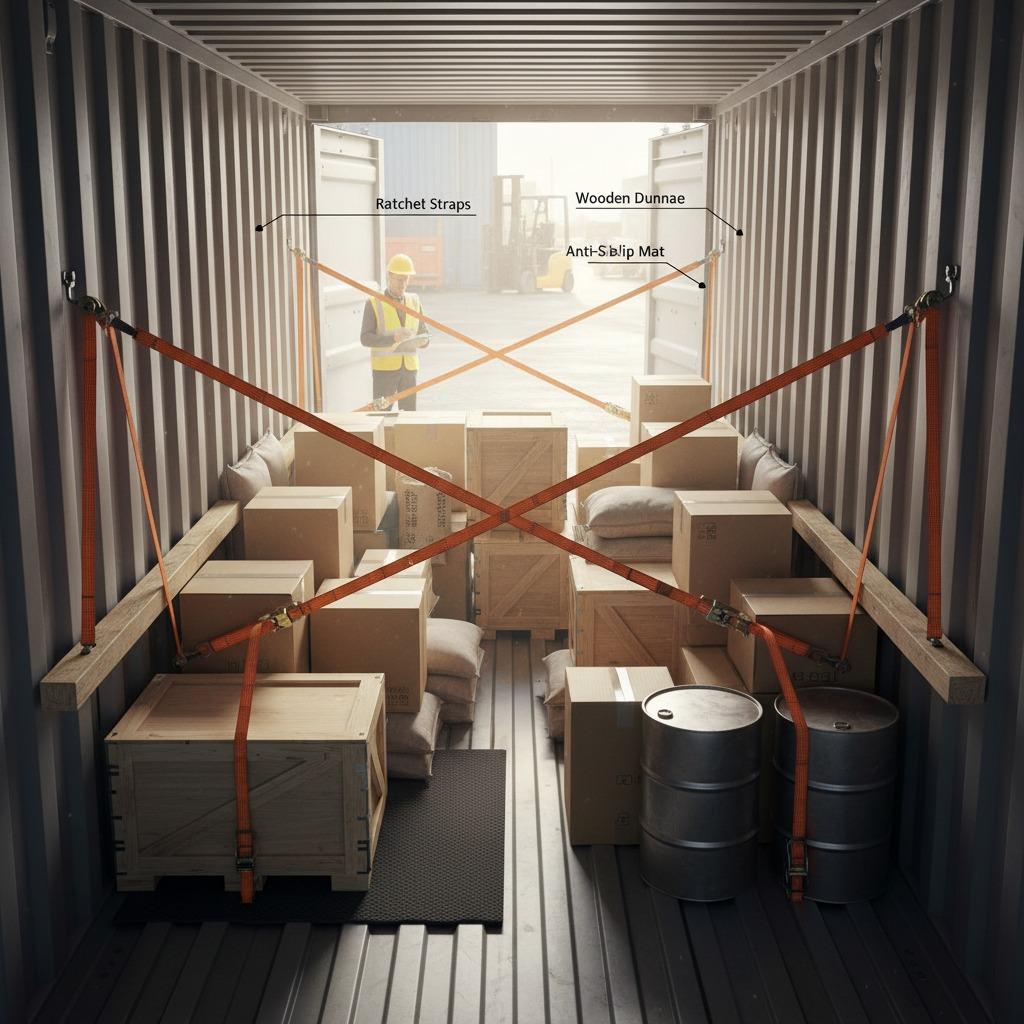
When implementing container loading methods, preparation is crucial. Shippers must assess the cargo's dimensions, weight, and fragility to ensure compatibility with floor loading. For example, in manufacturing, components for assembly lines might be floor loaded to maintain their orientation and prevent misalignment during transit. Safety protocols, such as using non-slip mats on the container floor, further enhance the effectiveness of this approach. Training for loading crews is also vital; they learn to calculate weight distribution to avoid exceeding axle limits on transport vehicles or causing imbalances in ships.
Comparing floor loading to other container loading methods highlights its strengths. Side-loading, for instance, requires specialized container doors and equipment, increasing complexity and cost. In contrast, floor loading shipping containers uses standard 20-foot or 40-foot units available at most ports. For shipping container freight across continents, this simplicity translates to faster processing times. Environmental factors, like humidity or temperature fluctuations, are better managed in floor-loaded setups, as air circulation can be optimized to protect sensitive goods.
Optimizing Shipping Container Freight with Floor Loaded Containers
To maximize the efficiency of shipping container freight, integrating floor loaded containers into your logistics strategy is a smart move. Start by partnering with experienced freight forwarders who specialize in this technique; they can provide insights on best practices tailored to your industry. For e-commerce businesses expanding globally, floor loading ensures that bulk orders arrive in pristine condition, boosting repeat business. It's also adaptable for just-in-time inventory systems, where timely and undamaged delivery is paramount.
A practical example of floor loaded containers in action is in the automotive parts industry. Suppliers load engines, transmissions, and body panels directly onto the floor, securing them with minimal dunnage. This not only speeds up the loading process but also facilitates quick unloading at assembly plants. In terms of sustainability, floor loading shipping containers reduces waste by using fewer packing materials, aligning with eco-friendly shipping goals. As global trade volumes rise, adopting efficient container loading methods like this helps companies stay competitive in a crowded market.
Challenges in shipping container freight, such as port congestion or regulatory changes, can be mitigated with floor loading's flexibility. It allows for last-minute adjustments to cargo without major reconfiguration, unlike more rigid methods. Monitoring tools, including GPS trackers and IoT sensors placed on the floor, provide real-time data on cargo integrity during transit. This technology integration further elevates the reliability of floor loaded containers, giving shippers peace of mind.
Best Practices for Implementing Floor Loading
Successfully utilizing floor loaded containers requires adherence to best practices that ensure compliance and efficiency. First, conduct a thorough inventory check before loading to verify weights and measurements. Use calibrated scales to distribute loads evenly, preventing any single area from bearing excessive pressure. Labeling each item's position on a loading diagram aids in organization and quick retrieval.
Incorporate protective measures like edge protectors and corner pads to safeguard against abrasion during movement. For hazardous materials within shipping container freight, follow specific guidelines from bodies like the U.S. Department of Transportation. Regular maintenance of containers, including floor inspections for cracks or wear, is essential to uphold safety standards.
Training programs for personnel involved in container loading methods should cover emergency procedures, such as spill containment or load shifting responses. By fostering a culture of precision, companies can leverage floor loading shipping containers to achieve seamless operations. Ultimately, this approach not only streamlines logistics but also fortifies the backbone of global commerce.
In conclusion, the floor loaded container exemplifies innovation in logistics, offering a blend of simplicity, safety, and economy. As supply chains evolve, embracing such techniques will be key to navigating the complexities of international shipping.