

Understanding the Corner Casting Container: A Key Component in Industrial Shipping
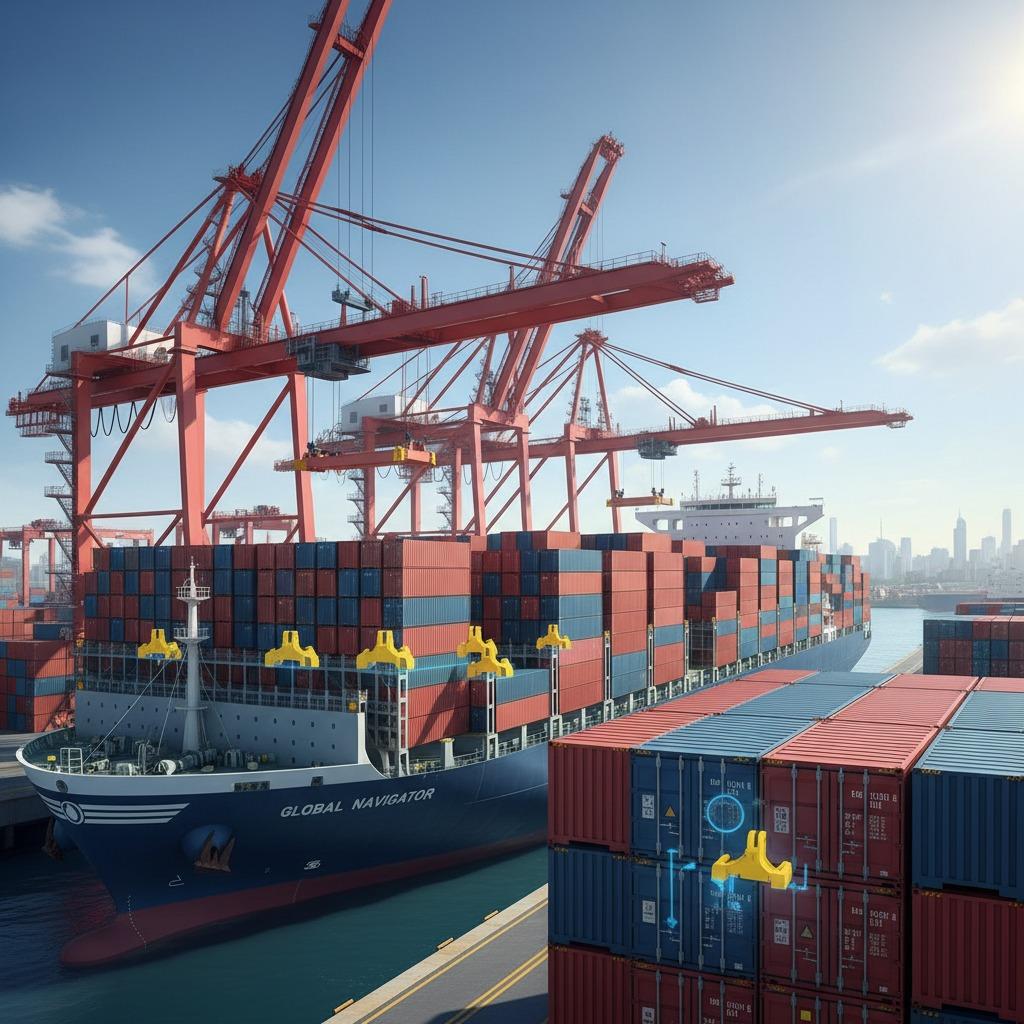
In the world of logistics and maritime transport, the corner casting container plays a pivotal role in ensuring the safety and efficiency of cargo handling. This essential fitting, typically found at the eight corners of shipping containers, allows for secure stacking, lifting, and securing during transit. As industries continue to evolve, the demand for reliable corner casting container solutions has surged, driven by the need for durable components that can withstand harsh conditions at sea or on land.
The Fundamentals of Corner Casting Containers
A corner casting container is designed to interlock with twist locks and other securing mechanisms, preventing containers from shifting during movement. These castings are usually made from high-strength materials to endure the rigors of global shipping. Understanding the intricacies of corner casting container design is crucial for anyone involved in supply chain management. The standard ISO specifications ensure compatibility across different container types, from standard dry freight to refrigerated units.
The manufacturing process for a corner casting container involves precision casting techniques that guarantee uniformity and strength. Engineers focus on creating apertures that align perfectly with handling equipment, minimizing the risk of accidents. For businesses relying on efficient container transport, investing in quality corner casting container fittings translates to reduced downtime and lower operational costs.
Exploring Industrial Casting Solutions for Corner Containers
When it comes to industrial casting solutions, the production of corner casting containers requires advanced metallurgical expertise. Industrial casting solutions encompass a range of methods, including sand casting and investment casting, tailored to produce components that meet international standards. These solutions are vital for creating fittings that can handle loads exceeding 30 tons per corner, ensuring the structural integrity of stacked containers in ship holds or on trucks.
Companies specializing in industrial casting solutions often customize their processes to address specific industry needs. For instance, in the oil and gas sector, where containers transport hazardous materials, enhanced corrosion resistance is a priority. By leveraging state-of-the-art foundries, manufacturers can deliver industrial casting solutions that not only meet but exceed expectations, providing long-term value in the competitive logistics market.
Custom Corner Containers: Tailoring to Unique Needs
Custom corner containers offer flexibility for specialized applications where standard fittings fall short. These bespoke designs incorporate unique features like reinforced apertures or integrated sensors for real-time monitoring. The process of developing custom corner containers begins with detailed client consultations to understand operational challenges, followed by prototyping and rigorous testing.
In industries such as construction or renewable energy, custom corner containers might include additional bracing points to accommodate oversized loads. This level of customization ensures that custom corner containers integrate seamlessly into existing workflows, enhancing overall efficiency. As global trade expands, the ability to produce custom corner containers quickly and cost-effectively becomes a significant competitive advantage.
Steel Corner Casting: Strength and Durability
Steel corner casting stands out for its exceptional strength-to-weight ratio, making it the preferred choice for high-impact environments. Forged from low-alloy steel, these castings resist deformation even under extreme pressures. Steel corner casting is particularly valued in intermodal transport, where containers are repeatedly lifted by cranes and stacked in tight configurations.
The heat-treatment processes applied during steel corner casting production enhance its toughness, allowing it to perform reliably in temperatures ranging from -40°C to 50°C. Maintenance of steel corner casting involves periodic inspections for wear, but its inherent robustness means fewer replacements over time. For shipping companies, opting for steel corner casting means investing in components that contribute to safer voyages and extended equipment lifespan.
Aluminum Corner Casting: Lightweight Innovation
For applications where weight reduction is critical, aluminum corner casting provides an innovative alternative without compromising on safety. Lighter than steel, aluminum corner casting reduces the overall tare weight of containers, leading to fuel savings in transportation. Its natural corrosion resistance, especially when anodized, makes it ideal for marine environments.
The alloy compositions used in aluminum corner casting are carefully selected to maintain high tensile strength, often matching that of heavier materials. In the aerospace and automotive sectors, where containers must be portable, aluminum corner casting facilitates easier handling. Manufacturers continually refine aluminum corner casting techniques to improve fatigue resistance, ensuring these fittings endure the vibrations and stresses of long-haul journeys.
Corner Container Design Principles
Effective corner container design prioritizes both functionality and ergonomics. Designers consider factors like load distribution and alignment tolerances to prevent misalignment during stacking. Corner container design also incorporates finite element analysis to simulate real-world stresses, allowing for optimizations that enhance performance.
Modern corner container design trends include the integration of smart technologies, such as RFID tags within the castings for inventory tracking. This evolution in corner container design not only streamlines operations but also supports sustainability goals by reducing material waste through precise engineering. As environmental regulations tighten, innovative corner container design will play a key role in greener logistics.
Corner Casting Manufacturing Processes
Corner casting manufacturing begins with raw material selection, followed by melting and pouring into molds. Advanced corner casting manufacturing employs computer-aided design (CAD) to create intricate patterns, ensuring each piece adheres to exact specifications. Quality control in corner casting manufacturing is rigorous, involving non-destructive testing like ultrasonic inspections to detect internal flaws.
Automation has revolutionized corner casting manufacturing, speeding up production while maintaining consistency. From small batches for custom orders to large-scale runs for standard containers, corner casting manufacturing facilities operate 24/7 to meet global demand. The emphasis on sustainable practices, such as recycling scrap metal, underscores the industry's commitment to responsible production.
In summary, the corner casting container and its related technologies form the backbone of modern shipping. By focusing on industrial casting solutions, custom corner containers, steel and aluminum variants, thoughtful design, and efficient manufacturing, businesses can achieve superior performance and reliability in their operations. Embracing these advancements ensures a safer, more efficient future for global trade.
Frequently Asked Questions (FAQ)
1. What is a corner casting container?
A corner casting container refers to the steel or aluminum fittings located at the eight corners of a shipping container. These components allow containers to be securely stacked, lifted, and secured during transport using twist locks and other handling equipment. They are essential for intermodal shipping (ships, trains, and trucks).
2. What is the difference between steel and aluminum corner castings?
| Material | Advantages | Best For |
|---|---|---|
| Steel corner casting | Exceptional strength-to-weight ratio, handles loads exceeding 30 tons per corner, durable in extreme temperatures (-40°C to 50°C) | High-impact environments, intermodal transport, heavy or hazardous cargo |
| Aluminum corner casting | Lightweight (reduces container tare weight), natural corrosion resistance (ideal for marine use), easier handling | Aerospace, automotive, portable containers, fuel-saving applications |
3. What standards do corner castings comply with?
Corner castings are manufactured to meet ISO 1161 specifications, ensuring compatibility across standard container types (20-foot, 40-foot, dry freight, refrigerated units). This standardization allows twist locks and securing devices from different manufacturers to work interchangeably.
4. Can corner castings be customized for specific applications?
Yes. Custom corner containers can include:
-
Reinforced apertures for heavier loads
-
Integrated sensors (RFID, stress monitors) for real-time tracking
-
Additional bracing points for oversized or irregular cargo
-
Corrosion-resistant coatings for chemical or marine environments
Custom designs are prototyped and tested to meet unique operational needs.
5. How are corner castings manufactured?
The process involves:
-
Raw material selection (low-alloy steel or aluminum alloys)
-
Melting and pouring into precision molds (sand casting or investment casting)
-
Heat treatment to enhance toughness
-
Quality control – Non-destructive testing (ultrasonic inspections) to detect internal flaws
-
Automated finishing – CAD-guided machining for exact aperture dimensions
Modern facilities use computer-aided design (CAD) and automation to ensure consistency at scale.
6. How do I maintain and inspect corner castings?
Regular maintenance is critical for safety:
-
Visual inspection – Check for cracks, dents, weld imperfections, or corrosion
-
Aperture wear – Ensure dimensions remain within ISO tolerances
-
Load testing – Periodic verification of tensile strength (should exceed 100,000 lbs per fitting)
-
Replace damaged castings immediately – Do not attempt field repairs
-
For aluminum castings – Inspect for galvanic corrosion when in contact with steel components
Proper maintenance extends equipment lifespan and prevents costly shipping accidents.