

Introduction to Container House Floor Plans
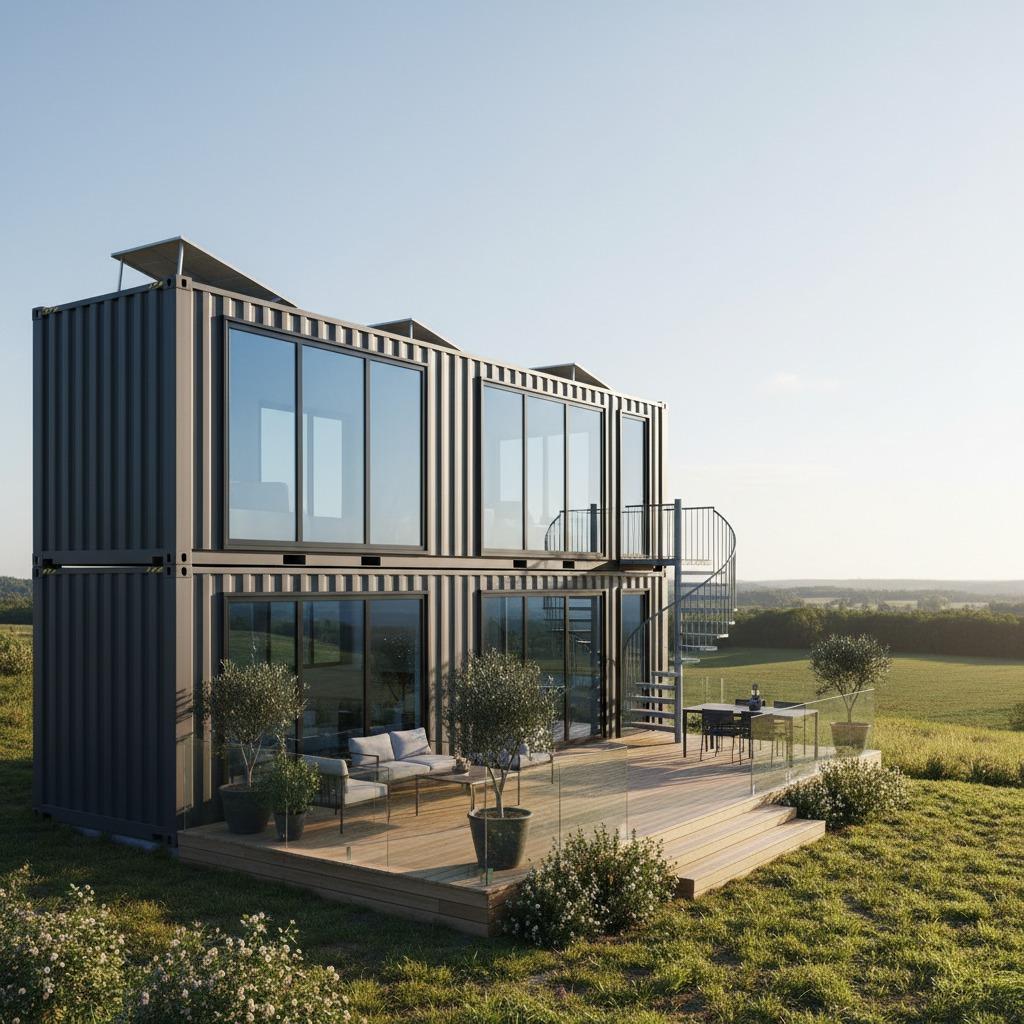
Container house floor plans have become a cornerstone of modern, sustainable living. These innovative designs transform standard shipping containers into functional, stylish homes that prioritize efficiency and environmental responsibility. Whether you're dreaming of a compact urban retreat or a spacious family abode, a well-thought-out container house floor plan can make all the difference. In this article, we'll explore the intricacies of these plans, drawing on shipping container home designs, modular container house layouts, and container home blueprints to provide you with comprehensive insights.
The appeal of container house floor plans lies in their versatility. Shipping containers, originally built for global transport, offer a sturdy steel frame that's both durable and adaptable. By stacking, combining, or modifying these units, architects create everything from cozy studios to multi-level residences. A key advantage is the speed of construction; what might take months with traditional building can be achieved in weeks. Moreover, these plans often incorporate open-concept spaces that maximize natural light and airflow, enhancing the living experience while keeping costs down.
Key Elements of Shipping Container Home Designs
Shipping container home designs form the foundation of any successful container house floor plan. These designs emphasize customization to suit individual lifestyles. For instance, a single-container setup might feature a compact kitchenette, sleeping area, and bathroom all in one streamlined space, ideal for minimalists or first-time buyers. Larger shipping container home designs could involve multiple units joined side-by-side, creating a rectangular floor plan with separate bedrooms, a living room, and even a home office.
One popular aspect of shipping container home designs is the integration of outdoor spaces. Many plans include patios or decks that extend living areas beyond the container's walls, blurring the lines between indoor and outdoor environments. Insulation is crucial in these designs to combat the metal's thermal conductivity, so effective floor plans specify high-quality materials like spray foam or rigid panels. Ventilation and windows are strategically placed to ensure comfort year-round, making shipping container home designs not just practical but also aesthetically pleasing.
When planning, consider the container's standard dimensions—typically 20 or 40 feet long—which influence the overall footprint. Shipping container home designs often play with verticality, using containers stacked to add stories without expanding the base, perfect for narrow lots. Energy-efficient features, such as solar panel compatibility and rainwater collection systems, are commonly woven into these designs, aligning with eco-conscious trends.
Exploring Modular Container House Layouts
Modular container house layouts take the concept of prefabrication to new heights, offering pre-engineered sections that assemble like puzzle pieces. A container house floor plan built on modular principles allows for easy expansion; start with a basic one-bedroom layout and add modules for growing families. These layouts are highly flexible, enabling configurations like L-shapes or T-shapes to optimize site-specific needs, such as fitting around existing structures or maximizing views.
In a modular container house layout, the emphasis is on flow and functionality. Kitchens are often centralized with islands that double as dining areas, while bedrooms feature built-in storage to save space. Bathrooms incorporate compact fixtures without sacrificing luxury, like rainfall showers in a surprisingly small footprint. One standout benefit is the reduced waste during construction, as modular container house layouts are designed off-site in controlled environments, ensuring precision and sustainability.
Customization shines in modular container house layouts, where you can choose finishes from industrial chic to cozy modern. For example, a two-container modular setup might dedicate one to living spaces and the other to private quarters, connected by a glass corridor for a sense of openness. These layouts also accommodate universal design principles, with wide doorways and zero-step entries for accessibility. Budget-wise, modular approaches keep costs predictable, making a container house floor plan more attainable for average homeowners.
Essential Container Home Blueprints
Container home blueprints provide the detailed roadmap for turning visions into reality. These blueprints outline everything from structural reinforcements to electrical and plumbing runs, ensuring compliance with local building codes. A basic container home blueprint might illustrate a 40-foot container divided into a 20-foot living area and a 20-foot bedroom suite, with insulation layers clearly marked.
Advanced container home blueprints incorporate multi-unit configurations, such as a three-container setup forming a U-shape around a private courtyard. These plans detail load-bearing modifications, like cutting openings for large windows while maintaining integrity. Ventilation systems, HVAC placements, and even smart home integrations are specified, helping builders avoid costly errors. For those interested in off-grid living, container home blueprints often include provisions for composting toilets and greywater systems.
Drafting your own container home blueprint starts with site analysis—assessing terrain, climate, and orientation. Software tools make it easier to visualize, allowing iterations on room sizes and adjacencies. Professional container home blueprints from architects ensure safety and efficiency, often including 3D renderings to preview the final product. Whether single-story or multi-level, these blueprints transform shipping containers into enduring homes.
Benefits and Considerations for Your Container House Floor Plan
Adopting a container house floor plan offers numerous benefits beyond affordability. The modular nature promotes sustainability by repurposing industrial materials, reducing the carbon footprint compared to traditional builds. Customization allows for personal touches, from reclaimed wood accents to vibrant color schemes, while the speed of assembly minimizes disruption.
However, considerations are key. Site preparation, including foundation work, is essential for stability, especially in seismic areas. Zoning laws vary, so verifying regulations for container homes in your region is crucial. Budget for modifications like welding and painting, which enhance longevity. Consulting experts ensures your shipping container home designs, modular container house layouts, and container home blueprints align with your goals.
In conclusion, a thoughtfully crafted container house floor plan opens doors to innovative, eco-friendly living. By leveraging shipping container home designs for creativity, modular container house layouts for efficiency, and container home blueprints for precision, you can build a home that's uniquely yours. Whether embarking on a DIY project or partnering with professionals, the world of container architecture awaits with endless possibilities.